What Are Premium Tires and Are They Worth It?
Premium tires promise more than a polished sidewall or a familiar brand name. They may offer stronger wet grip, quieter rides, better steering response, or longer tread life. But “premium” does not mean best for every driver. Your commute, climate, vehicle, and budget matter. So does the exact tire model.
Consumer Reports tire expert Gene Petersen has emphasized a basic point: “Tires are the only part of your vehicle that touches the road.” That contact patch is small, yet it affects braking, cornering, and comfort. On a rainy morning, the difference may feel less like a luxury and more like control. Still, premium pricing alone cannot prove that a tire will perform better for your needs. Compare independent test results, warranty terms, and the tire’s ratings for your driving conditions.
Look beyond the badge. Check wet-braking performance, treadwear expectations, road noise, and replacement costs. A premium touring tire may suit long highway trips, while a performance tire may trade some tread life for sharper handling. And a cheaper model could be the sensible choice. Tires are not magic. I’ve seen buyers focus on the purchase price, then overlook how quickly a particular tread wears on their daily route. That is an easy mistake—and worth reconsidering. This guide explains what premium tires offer, how they compare with standard options, and when the extra cost may actually pay off.
What Defines a Premium Tire?
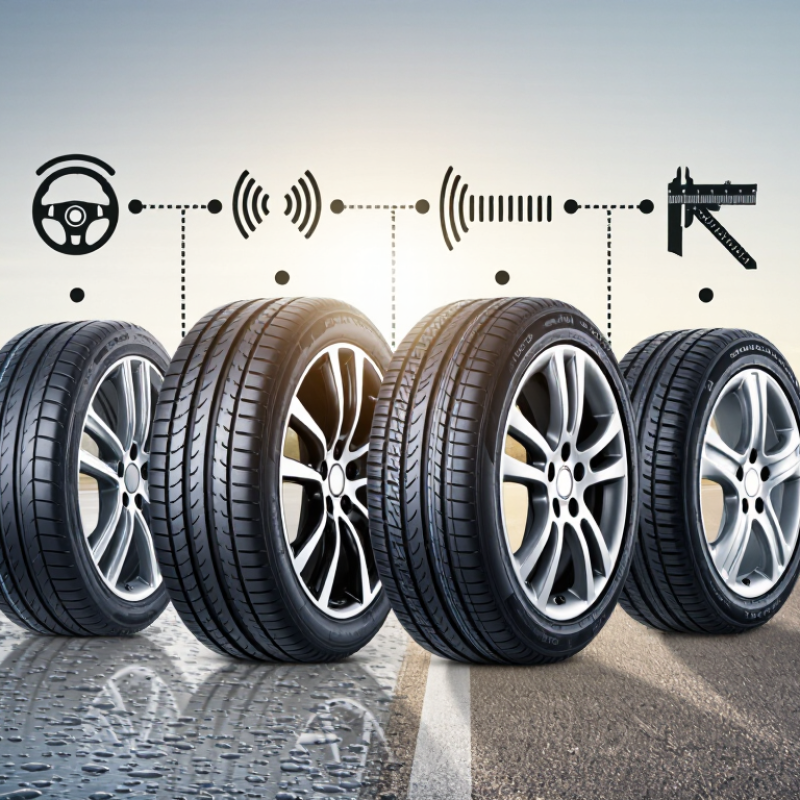
A premium tire is not defined by price alone. It combines carefully selected materials, precise construction, and testing for dependable performance in expected driving conditions. Engineers may tune tread patterns and rubber compounds for wet braking, handling, road noise, comfort, or tread life. The priorities differ by tire type. A touring tire and a performance tire solve different problems. Details matter.
Look beyond labels and compare the tire’s specifications with your vehicle’s requirements. Premium models may offer more consistent grip or a quieter ride, but no tire excels at everything. A soft, comfortable tread may wear sooner under heavy use. Higher cost can reflect engineering and testing, yet it does not guarantee the right fit for every driver. Even a well-made tire can perform poorly if its pressure is wrong or its tread is worn. That part is easy to overlook.
Tips: Check the sidewall size, load rating, and speed rating against your vehicle manual. Consider your usual roads, weather, and mileage. If possible, compare independent test results for the conditions you actually face.
How Premium Tires Differ from Standard Tires
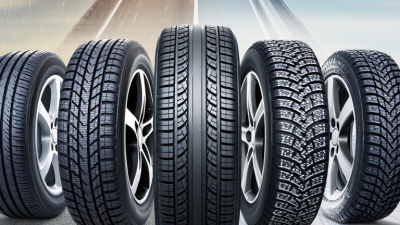
Premium tires differ from standard tires in design priorities, materials, and refinement. They may use rubber compounds tuned for stronger wet grip or more consistent handling across temperatures. Their tread patterns can channel water efficiently while reducing road noise. Some also have carefully engineered sidewalls that respond more predictably during cornering. The differences are not always obvious at a glance. A deeper-looking tread does not automatically mean better performance.
Standard tires usually aim to meet everyday needs at a lower purchase price. Premium options may feel steadier on a wet highway or quieter over rough pavement, but results depend on the vehicle, tire size, and driving conditions. “Premium” is not one universal technical category, either; the label can vary. Higher cost does not guarantee a longer service life. Even good tires can wear quickly with incorrect pressure or poor alignment.
Tips: Compare the same size and seasonal type, then check independent test results for wet braking, noise, and tread life. Keep pressure near the vehicle maker’s recommendation, and inspect tread regularly. A small detail, but easy to overlook: comfort can change as tires wear.
Key Technologies and Performance Benefits
Premium tires are engineered for more than a smooth ride. Their rubber compounds and tread designs can improve grip, braking, and steering response. Some use silica-rich compounds that stay flexible in cooler conditions, while carefully shaped grooves help move water away from the contact patch. The difference is subtle. On a wet road, though, extra control can matter.
Construction also plays a role. Strong internal belts help the tire keep its shape during cornering, and reinforced sidewalls can make steering feel more precise. Fine tread cuts, called sipes, add biting edges on cold or lightly snowy surfaces. Some designs aim to reduce rolling resistance, which may support fuel efficiency. Trade-offs exist: a softer compound can wear faster, and road noise varies. Premium does not mean perfect. Your climate, vehicle, and driving habits still matter.
Tips: Check the tire pressure when the tires are cold, and inspect tread wear regularly. Compare wet-grip and noise ratings, not just price. A premium tire can be a poor match if its strengths do not fit your everyday roads.
What Are Premium Tires and Are They Worth It?
Typical design priorities of premium tires compared with standard tires
Scores are illustrative qualitative ratings on a 1–5 scale, not laboratory measurements or a guarantee for every tire. Premium tires often use advanced compounds, tread patterns, and construction to prioritize wet grip, handling, comfort, and noise reduction. Whether the added cost is worthwhile depends on your vehicle, driving conditions, and the specific tire.
Potential Drawbacks of Premium Tires
“Premium” is not a single, standardized tire grade. It can describe advanced materials, specialized tread designs, or stronger wet-weather performance, but those benefits often come with a higher purchase price. Replacement costs add up, especially when a vehicle needs four matching tires. Some performance-focused models also trade longer tread life for grip. The compromise is easy to miss. A softer compound may feel reassuring in a corner, yet wear faster under aggressive driving or frequent hot-weather use.
Performance claims also depend on tire condition, road surface, and maintenance. In a 2018 test, AAA found that tires with 4/32 inch of tread needed 87 feet more to stop on wet pavement from 60 mph than new tires. That result was not a premium-versus-budget comparison; it shows how quickly worn tread can undermine safety. Premium tires still need regular pressure checks and rotation. And the right choice may be less obvious than the price tag suggests. Drivers who mainly travel slowly on dry roads may not notice the promised handling gains, while paying more for them. Compare independent test results for your vehicle and driving conditions, and treat advertised performance as a claim to verify, not a guarantee.
How to Decide Whether Premium Tires Are Worth It
Premium tires can cost noticeably more, but the price alone does not tell you whether they are worth it. Start with your driving conditions. A commuter who faces heavy rain, rough pavement, or long highway trips may value grip, comfort, and tread life more than someone who drives short distances in mild weather.
Compare tires in the correct size and with the required load and speed ratings. Look for independent tests that measure wet braking, handling, road noise, and wear. A few extra feet of stopping distance can matter on a soaked road. So can a quieter cabin on a daily commute. That matters.
Still, test results may not match your car, local roads, or driving habits exactly.
Check the warranty terms and calculate cost per expected mile, not just the checkout price. A more expensive tire may offer better value if it lasts longer, but real wear depends on alignment, inflation, rotation, and driving style.
Keep tire pressure near the vehicle maker’s recommendation; underinflation can shorten tread life and affect handling. Not magic.
If the cheaper option already meets your needs, paying extra may bring little practical benefit. Be honest about what you will notice—and what you are mostly hoping to notice.