What Are the Top Types of Tire Places in 2026?
Choosing among tire places in 2026 is not just a price comparison. Drivers may need a quick puncture repair, winter tires, a wheel alignment, or help finding the right fit for an older vehicle. The best option depends on the job, location, budget, and quality of follow-up service.
The U.S. Tire Manufacturers Association’s 2025 shipment outlook projected 338.4 million U.S. tire shipments, compared with 334.2 million in 2024. That forecast signals a large replacement market, but it does not rank tire retailers or measure service quality. The distinction matters. A busy shop is not automatically the right shop for every vehicle.
NHTSA’s tire-safety guidance highlights practical checks such as proper inflation, tread condition, and suitable replacement tires. These details make provider expertise important, especially when a vehicle needs specialized fitment or a clear explanation of repair options. This guide compares independent tire shops, national chains, dealerships, online sellers with installation partners, mobile installers, and commercial or off-road specialists. Each serves different needs. Some offer broad inventory; others provide convenience or focused technical knowledge. Still, “top” can be slippery: advertised prices may not include installation, balancing, disposal, or warranty terms. A written estimate helps. Expect meaningful differences between locations, even within one chain.
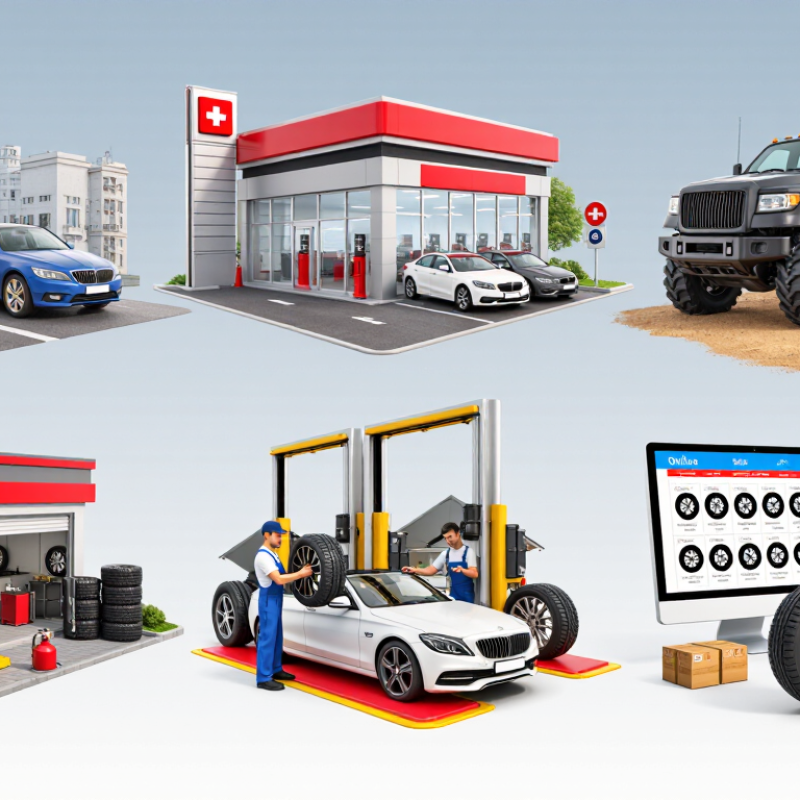
What Tire Service Providers Do and How They Differ
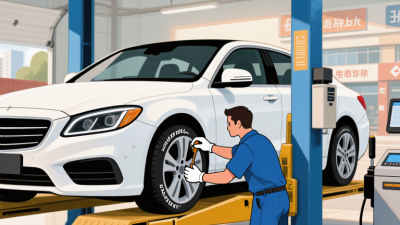
In 2026, tire service providers differ less by the tires they sell than by the work and support they offer. Full-service tire shops typically handle mounting, balancing, rotation, puncture assessment, and alignment checks. Their advantage is a broad service bay; ask whether alignment repairs are done onsite. Dealership service departments can address vehicle-specific fitment needs, but appointments and pricing may be less flexible. Independent garages often combine tire work with brake or suspension repairs, which helps when uneven tread hints at a deeper issue. That matters.
Tips: Before booking, note your tire size, vehicle year, and symptoms, such as vibration at highway speeds. Ask for the full price, what installation includes, and whether disposal fees apply. If alignment is recommended, ask to see the measurements.
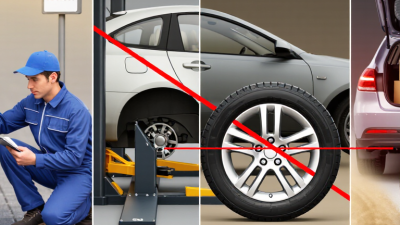
Mobile installers bring equipment to a driveway or workplace, saving a trip but sometimes limiting complex diagnostics. Performance and off-road specialists focus on unusual sizes, load ratings, and handling setups. They can be useful when a vehicle’s original specifications have changed. Not always. A low quote may exclude services, while a premium package may include work you do not need. Read the estimate carefully and ask what evidence supports each recommendation. Tire terminology can be confusing; seeing the tread or alignment readings often makes the explanation clearer.
Independent Tire Shops and Local Service Centers
Independent tire shops and local service centers offer a practical alternative to large, centralized service networks. Customers can speak directly with technicians, compare repair options, and ask about the tires best suited to local roads. A muddy driveway, frequent highway commutes, or winter potholes can change what “good value” means.
The Auto Care Association’s 2024 Factbook estimated U.S. automotive aftermarket sales at about $391 billion in 2023. That broad figure includes many services, not tire shops alone, but it reflects the scale of vehicle maintenance customers need. Local centers compete through convenience and clear advice: checking tread depth, showing uneven wear, and explaining whether alignment or replacement is warranted. Ask for specifics. A clear estimate should separate parts, labor, and optional work.
Independent shops vary in equipment, expertise, and service quality. Some handle tire installation and balancing but refer complex suspension repairs elsewhere. That can be sensible, though it may mean another appointment. Before booking, ask whether the center services your vehicle type, stocks the correct tire size, and provides written recommendations. A familiar face helps, but it is not proof of quality; inspection details and transparent pricing matter more.
What Are the Top Types of Tire Places in 2026? - Independent Tire Shops and Local Service Centers
| Type of tire place |
Typical services |
Common strengths |
Things to consider |
Often a good fit for |
| Independent tire shops |
Tire sales and installation, balancing, flat-tire repair, rotation, and often wheel alignment. |
Local service, personal recommendations, and the ability to compare options from multiple suppliers. |
Inventory, equipment, warranties, and available services vary by shop; confirm details before booking. |
Drivers seeking nearby advice, flexible tire choices, or help with routine tire maintenance. |
| Local general-service centers |
Tire replacement and repair alongside services such as oil changes, brakes, batteries, and inspections. |
Convenient option for handling tires and other basic vehicle maintenance in one visit. |
Tire selection and specialist capabilities can differ; check whether the center offers the needed tire size and service. |
Drivers who prefer to combine a tire appointment with other routine vehicle work. |
| Alignment and tire specialists |
Tire installation, wheel balancing, alignment checks and adjustments, and diagnosis of uneven tire wear. |
A focused choice when handling steering, alignment, vibration, or tire-wear concerns. |
May provide fewer general maintenance services; ask whether a diagnostic check is included in the quoted work. |
Drivers noticing pulling, uneven tread wear, or vibration after a tire change or road impact. |
|
Mobile tire services
|
On-site tire changes, installation, or roadside assistance, depending on the provider and service area. |
Can save a trip to a shop and may be useful when a vehicle cannot be driven safely. |
Service areas, tire availability, vehicle eligibility, and on-site equipment vary; confirm the total cost and appointment window. |
Drivers who need convenient on-site help and whose vehicle and location qualify for the service. |
Services and availability vary by location. Check the tire size listed for your vehicle and request an itemized quote before authorizing work.
National Tire Chains and Franchise Locations
In 2026, national tire chains and franchise locations remain practical options for drivers seeking familiar services in different towns. Larger networks may offer online scheduling, broad tire inventories, and consistent inspection procedures. That can help when you need a replacement before a commute or road trip. Still, service can vary by location. A clean waiting room does not prove careful installation; ask how technicians check wheel torque and tire pressure. This is worth asking.
Franchise locations operate under a shared business model, but hours, staffing, and equipment may differ. National chains can make services easier to compare, yet an advertised price might exclude balancing, valve stems, disposal, or alignment checks. Request an itemized estimate, and confirm the tire matches your vehicle’s size and load rating. If a warning light remains after service, return promptly and ask what the inspection found. Small details matter. I would not assume every location follows identical practices; even a well-organized network can have uneven days.
Dealership Tire Departments and Brand-Specific Service
Dealership tire departments connect replacement work with your vehicle’s service history. Technicians can check the original wheel size, pressure specifications, and tire-pressure sensors before fitting new tires. That helps when a vehicle uses unusual sizing or needs a specific calibration. The National Automobile Dealers Association’s 2024 data report records about $156 billion in U.S. dealership service and parts sales for 2023. That figure covers many repairs, not tires alone, but it shows how substantial dealership service operations are. Still, a large service department does not guarantee the best tire price.
J.D. Power’s 2024 U.S. Customer Service Index Study rated mass-market dealership service at 851 out of 1,000 points. The study measures broader service experiences, not tire installation by itself. Ask whether the quoted price includes mounting, balancing, valve or sensor work, and disposal fees. Get the alignment checked if uneven tread suggests a problem. Small details matter. A dealership may keep fewer tire choices on hand than a tire-focused shop, and its quote can feel sales-driven. Not always. Compare the written estimate, confirm the tire size and warranty terms, and ask how the department handles a vibration after installation. A clear answer is worth more than a polished waiting room.
Mobile Tire Services and Online Tire Retailers
Mobile tire services bring the shop to a driveway, workplace, or roadside parking space. A technician can install tires, repair some punctures, and check pressure without requiring a trip to a garage. The service is convenient. Before booking, ask what equipment the vehicle needs and whether the work area is level and safe. Some repairs cannot be completed roadside, and weather or limited space may cause delays.
Online tire retailers make comparing sizes, seasonal options, and delivery arrangements easier. Start with the tire size printed on the sidewall or listed in the owner’s manual. Check load and speed ratings, too; matching the numbers matters more than choosing a familiar-looking tread. Not always obvious. If the vehicle has different front and rear sizes, confirm both before ordering. A wrong fit can mean extra shipping, wasted time, or an unsafe installation.
Some online sellers let customers send tires to a local installer, while others coordinate mobile fitting. Read the service details carefully: mounting, balancing, valve replacement, and disposal may cost extra. Keep the order confirmation and ask who handles warranty questions if a tire arrives damaged. I would still verify the final fitment with a qualified installer; online filters can miss vehicle modifications or unusual wheel setups. Convenience helps, but it does not replace a careful check.
What Are the Top Types of Tire Places in 2026?
This chart compares four common ways to buy or service tires by the number of core offerings typically associated with each: tire sales, installation, and repair or maintenance. It is a service-category comparison, not a market-share ranking. Offerings vary by provider; online retailers may arrange installation through local partners.