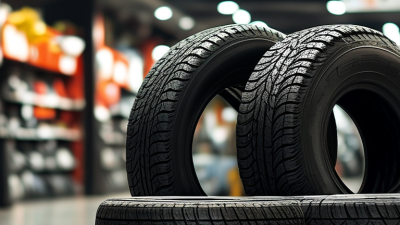
Where to Find the Best Tire Places in China?
Finding reliable tire places in China requires more than choosing the nearest workshop. Drivers need safe products, trained technicians, transparent pricing, and proper installation. In cities such as Shanghai, Beijing, Guangzhou, and Shenzhen, options range from authorized brand dealers to independent repair shops and nationwide service chains.
Matt Edmonds, a tire industry expert and executive vice president of Tire Rack, often emphasizes, “Your tires are the only thing connecting your vehicle to the road.” That simple point matters in China’s changing driving conditions. Wet city streets, crowded expressways, summer heat, and uneven rural roads can quickly expose weak tire choices. A dependable shop should check tread depth, tire age, pressure, wheel alignment, and balancing. Ask to see the sidewall markings before installation. Look for the production date, size, load index, and speed rating.
Local experience helps. A shop near a busy logistics district may understand commercial vehicles better than a small neighborhood garage. However, popularity does not guarantee quality. Inspect the service bay. Clean tools, calibrated equipment, and organized storage are encouraging signs. Request an itemized invoice and confirm whether the tires include a valid warranty and required Chinese certification.
Some recommendations may be incomplete. Online reviews can be outdated, translated poorly, or influenced by promotions. My own practical standard is simple: compare several tire places, verify the technician’s explanation, and never ignore unusual vibration after installation. The cheapest option can become expensive when alignment or safety checks are skipped. Reliable advice should feel clear, specific, and slightly cautious.
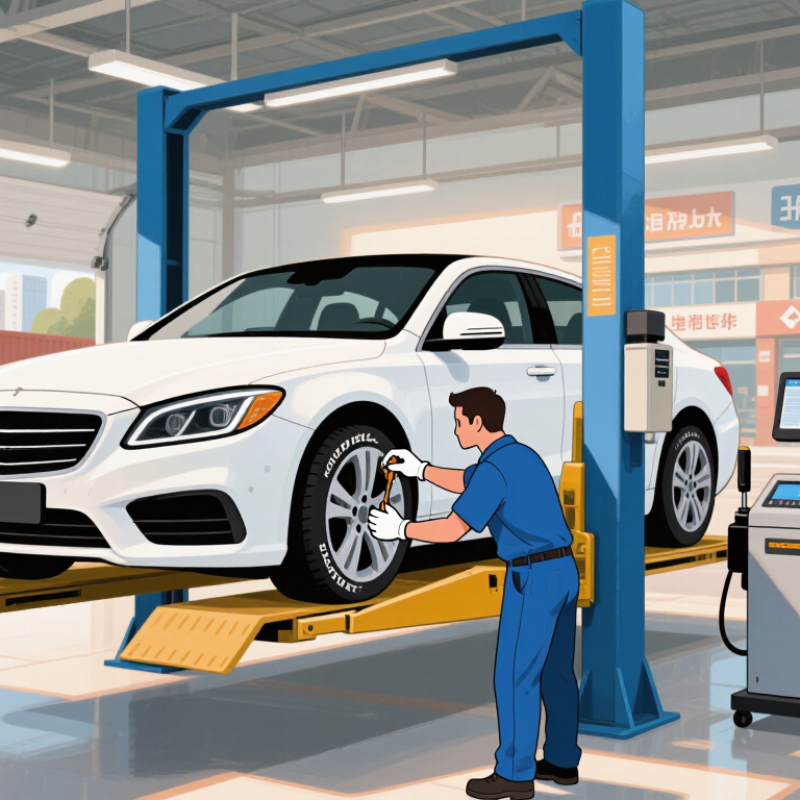
Map China’s Tire Market Using NBS Output Data and Regional Demand
Where to Find the Best Tire Places in China?
China’s tire market becomes clearer when mapped through National Bureau of Statistics output data. NBS provincial figures show where rubber products and vehicle manufacturing remain concentrated. These locations often support stronger supplier networks, warehouses, repair services, and transport links. Coastal manufacturing areas usually offer broader choices and faster delivery. Inland provinces may serve agricultural, mining, or commercial vehicle demand more directly.
Output is only one signal. High production does not always mean the best local buying experience. Regional demand, vehicle ownership, road conditions, and seasonal transport patterns also matter. A practical search should compare industrial output with logistics access and nearby customer activity. NBS data may also arrive late or use broad categories. That limitation needs attention. I would not treat one annual figure as a complete market picture.
Tips: Start with province-level NBS data, then inspect city-level demand indicators. Check warehouse distance, road freight access, and local service capacity. Ask whether suppliers support passenger, truck, agricultural, or specialty vehicles. Compare several months of data when possible. A busy production center can still have uneven service quality. Field visits and verified local feedback remain useful. Data helps narrow the map, but it cannot replace direct checking.
Rank Tire Cities by CAAM Vehicle Parc, Logistics Fleets, and EV Growth
Where to Find the Best Tire Places in China?
Rank Tire Cities by CAAM Vehicle Parc, Logistics Fleets, and EV Growth
China’s strongest tire-service markets cluster around large vehicle populations and heavy urban mileage. The Ministry of Public Security recorded more than 450 million motor vehicles nationwide in 2024. CAAM also reported 31.44 million new-vehicle sales that year. Beijing, Shanghai, Guangzhou, Shenzhen, Chengdu, and Chongqing therefore deserve the highest demand ranking. Their dense traffic creates frequent replacement, balancing, and puncture-repair needs.
Logistics activity changes the ranking. The China Federation of Logistics and Purchasing reported social logistics volume above RMB 360 trillion in 2024. Cities such as Zhengzhou, Wuhan, Xi’an, Guangzhou, and Chengdu connect major freight corridors. Their workshops need rapid inspections, commercial-vehicle alignment, and durable inventory planning. A small urban garage may struggle with this workload. That is not always obvious online.
Electric-vehicle growth adds another filter. CAAM recorded 12.87 million new-energy vehicle sales in 2024, representing about 41% of total sales. Shenzhen, Shanghai, Hangzhou, and Hefei should rank highly for EV-focused tire services. EVs often deliver instant torque and carry heavy battery packs, which can accelerate tread wear. However, CAAM sales measure annual flow, not the complete vehicle parc. City rankings should combine registration data, fleet mileage, road quality, and workshop capability. The method remains imperfect. Local verification still matters.
Where to Find the Best Tire Places in China?
City ranking based on registered motor vehicles, road freight activity, and new-energy vehicle penetration. Larger vehicle parc and freight volumes indicate stronger replacement-tire demand, while EV penetration highlights future service growth.
Data shown in rounded 2023 figures from municipal statistical bulletins and public transport-registration reports. Vehicle parc and freight activity are city-level indicators; NEV penetration is calculated as new-energy vehicles divided by registered motor vehicles. Figures exclude company and brand-level data.
Compare Dealers by PCR, TBR, OTR, and Motorcycle-Tire Expertise
When searching for the best tire places in China, compare dealers by product expertise, not just price. A clean showroom is useful, but it proves little. Ask how the dealer handles PCR, TBR, OTR, and motorcycle tires. Each category requires different knowledge, equipment, and storage practices.
For PCR tires, check size accuracy, tread patterns, production dates, and fitting equipment. Passenger-car customers often need quiet performance and balanced handling. TBR dealers should understand load ratings, casing condition, retreading limits, and fleet schedules. Ask for technical sheets and warranty procedures. Clear answers matter. Vague promises do not.
OTR tire specialists should explain terrain matching, heat resistance, pressure control, and sidewall protection. Their warehouse should keep large tires away from moisture and direct sunlight. Motorcycle-tire dealers need more precise guidance. Ask about front and rear matching, wet-road grip, load capacity, and fitting torque. I once compared dealers only by wholesale price, which was a poor decision. Delivery delays later cost more than expected. A reliable dealer provides traceable invoices, inspection records, and realistic lead times. Still, documentation can contain mistakes. Review every size, quantity, and delivery term before payment. Talking with technicians often reveals more than reading a sales brochure.
Verify Shops Through CRIA Standards, DOT/ECE Markings, and Tire Codes
Where to Find the Best Tire Places in China?
Verify Shops Through CRIA Standards, DOT/ECE Markings, and Tire Codes
A reliable tire shop in China should show more than clean floors and quick service. Ask whether its products and fitting procedures follow relevant China Rubber Industry Association (CRIA) guidance. CRIA technical materials commonly address tire quality, testing, and safe use. Request documentation, not verbal promises. Check the certificate scope, issue date, and matching product category.
Inspect the tire sidewall beside the technician. DOT markings identify U.S. regulatory compliance, while ECE approval markings show conformity with applicable European requirements. These marks do not prove that a shop is trustworthy. They help verify the tire itself. Read the tire code carefully: size, load index, speed rating, production date, and model specification should match your vehicle. A four-digit date code, such as 2425, means production in the 24th week of 2025. The details matter.
NHTSA safety guidance links tire problems with roughly 738 annual deaths and about 40,000 injuries in the United States. That figure makes pressure checks and correct fitting more than routine paperwork. Measure cold pressure with a calibrated gauge. Confirm valve replacement and wheel-balance results. I would also photograph the sidewall and invoice before leaving. It feels excessive, but memory is unreliable. UNECE Regulation No. 117 evaluates wet grip, rolling resistance, and external noise, so ask whether relevant test evidence is available. A shop may look professional and still provide weak records. Verification should remain practical, patient, and slightly skeptical.