Choosing vehicle tires in 2026 is not just a matter of matching a size printed on the sidewall. The right choice depends on your vehicle, local weather, road surfaces, and typical driving. A quiet highway commute calls for different priorities than frequent wet-road braking or winter travel. Start with the vehicle placard and owner’s manual; then compare load rating, speed rating, tread design, and warranty details.
The U.S. Department of Energy says properly inflated tires can improve fuel economy by 0.6% on average, and up to 3% in some cases. That makes pressure and tire selection practical considerations, not showroom trivia. The U.S. Tire Manufacturers Association (USTMA) also emphasizes routine checks for pressure, tread wear, and damage. USTMA president Anne Forristall Luke captures the core safety point: “Tires are the only part of your vehicle that touches the road.” Check the source wording before publication. The detail is easy to overlook.
This guide explains how to read tire markings, compare all-season, summer, and winter options, and assess wet braking, ride comfort, durability, and cost. A tread pattern may look reassuring under bright shop lights, but performance depends on tested conditions and your real routes. No single tire is best for everyone. Even careful comparisons leave some uncertainty, especially when climate and driving habits change. Use reputable test data, verify fitment, and ask a qualified tire professional when specifications conflict. Then choose for the roads you actually drive.

Before comparing tires, find the specifications approved for your exact vehicle. Check the placard inside the driver’s door, the owner’s manual, or the vehicle maker’s official service information. Record the full size, such as 225/60R17, along with the load index and speed rating. Small differences matter. A tire that looks close may still have the wrong load capacity or fit.
Check the recommended cold inflation pressure on the vehicle placard, not the maximum pressure printed on the tire sidewall. These numbers serve different purposes. Note the wheel diameter, too, and confirm whether your vehicle requires a particular construction or tire type. If the vehicle has different sizes on its front and rear axles, write down both. Don’t assume the tires currently fitted are correct; they may have been replaced with an unsuitable size.
Compare every replacement tire with the vehicle’s stated requirements, including load and speed ratings. If you are considering a different size, verify compatibility with qualified service information before buying. Clearance can change with steering or suspension movement, even when a tire appears to fit while parked. One detail is easy to overlook: pressure changes with temperature, so check it when the tires are cold. It’s a simple check, though easy to postpone. When the placard is missing or the information conflicts, pause and confirm the specification with a qualified tire professional.
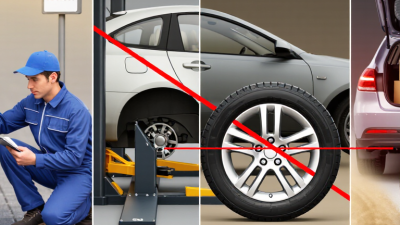
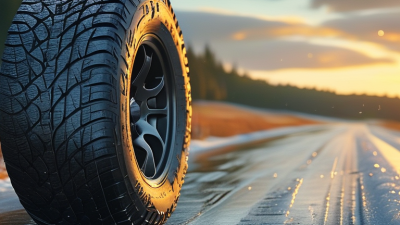
The right tire depends on the roads and weather you actually face, not just the season on the calendar. In mild climates, all-season tires can handle everyday commuting and occasional rain. Their balanced design is convenient, but it may give up some grip in deep snow or extreme heat. That trade-off matters. If winter brings frequent ice, packed snow, or long stretches below freezing, dedicated winter tires can improve traction and braking. In hot regions, choose tires suited to sustained warm pavement, especially if you drive long distances. Check the vehicle manual or door placard for the correct tire size and required load and speed ratings.
Match the tread to your routine, too. Deep grooves help move water away on wet roads, while a quiet, touring-oriented tread may suit mostly paved highway driving. Gravel roads and rough surfaces call for a durable design suited to those conditions. Think about the route after a storm, not only your usual sunny commute. I would not assume one tire can excel everywhere; that expectation is easy to get wrong. Check tire pressure when the tires are cold, and follow the vehicle’s recommended pressure rather than the maximum printed on the tire. Have tread wear, alignment, and sidewalls inspected periodically, particularly before a long trip. A local tire professional can help assess conditions you may have overlooked.
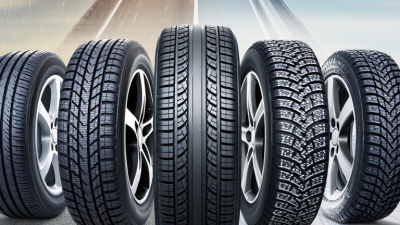
Tread design changes how a tire handles rain, loose gravel, and warm pavement. Wide grooves help channel water away, while closely spaced blocks can improve contact on dry roads. For frequent snow, look for small cuts called sipes; they add biting edges. A quiet-looking tread is not automatically safer. Match the pattern to your usual routes and climate, not just its appearance.
Materials matter, too. Softer rubber compounds can grip well in cold weather, but may wear faster in hot conditions. Some tires balance durability and wet-road traction through compound blends, though performance still depends on vehicle weight, pressure, and driving habits. Check the sidewall and vehicle placard for the correct size, load index, and speed rating. Close enough is not a good fit.
Read performance ratings as clues, not promises. Wet-grip, treadwear, and temperature markings can help compare options, but testing standards vary by region. A higher treadwear number does not guarantee better braking. I find it tempting to chase one standout score; that can overlook the conditions that matter most. Compare several ratings, then consider your daily drive: standing water, sharp turns, or long highway stretches. Slightly inconvenient, but useful.
How to Choose the Right Vehicle Tires in 2026?
Evaluate Safety Features and Tire Technology in 2026
When comparing tires, look beyond mileage claims and focus on the conditions you actually drive in. Wet-road grip, braking performance, and stable handling matter during sudden rain or a quick lane change. Check the tire’s load and speed ratings against your vehicle manual. A quiet ride is useful, but it cannot replace the right fit. Small details matter.
Newer tire designs may use compounds and tread patterns aimed at improving grip or reducing rolling resistance. Some models also include sensors that report pressure or temperature, but features vary. Treat alerts as helpful prompts, not proof that a tire is safe. Check pressure with a gauge when tires are cold, and inspect for cuts, bulges, uneven wear, or embedded debris. I still find sidewall markings easy to misread, so verify specifications with the vehicle manual or a qualified tire professional.
Tips: Choose tires for your climate and regular routes. Compare wet-grip and noise information where available. Recheck pressure monthly and before long trips. Replace damaged tires promptly; a warning light may not reveal every problem.
| Decision Factor | What to Check | Why It Matters | Practical Selection Guidance |
|---|---|---|---|
| Vehicle fitment | Recommended tire size, construction, load index, and speed rating shown in the owner’s manual or on the vehicle’s tire-information placard. | These specifications are chosen for the vehicle’s weight, handling, and operating requirements. | Use the specified size and ratings unless the vehicle manufacturer or a qualified tire professional confirms an alternative is suitable. |
| Everyday driving conditions | Typical temperatures, rainfall, road surfaces, driving distances, and whether the vehicle is used for commuting, towing, or carrying heavy loads. | Tire compounds and tread designs involve trade-offs among wet grip, dry handling, noise, durability, and rolling resistance. | Choose a tire category suited to the conditions you encounter most often, rather than relying on one feature or a single performance claim. |
| All-season tires | All-season designation and performance information for the climates and roads where the vehicle is used. | These tires are designed for a broad range of conditions, but all-season capability does not mean equal performance in every climate. | Consider them for moderate conditions. In regions with frequent severe winter weather, compare them with winter tires and check for the Three-Peak Mountain Snowflake symbol where appropriate. |
| Winter tires | Cold-weather suitability, winter tread design, and any applicable severe-snow marking. | Winter tires are designed for cold conditions and can provide more suitable traction than non-winter tires in snow and cold weather. | Consider a dedicated winter set where snow, ice, or sustained low temperatures are common. Use a matching set of four tires and follow vehicle guidance. |
| Three-Peak Mountain Snowflake symbol | The mountain-and-snowflake symbol molded on the tire sidewall. | It identifies tires that meet a defined snow-traction performance requirement for severe-snow service; it is not a guarantee of performance on every icy surface. | Look for this symbol when severe-snow capability is important. Continue to adjust speed and driving style for conditions. |
| M+S marking | The “M+S” or “M/S” marking on the sidewall. | This marking indicates a mud-and-snow tread designation, but by itself does not represent the same severe-snow performance test associated with the Three-Peak Mountain Snowflake symbol. | Do not treat an M+S marking alone as proof that a tire meets a severe-snow traction standard. |
| Wet-weather safety | Wet-braking and wet-handling information, tread design, tire condition, and correct inflation. | Water on the road can reduce grip. Tread condition and appropriate speed are important to maintaining traction and helping manage water between the tire and road. | Compare available wet-performance data for the same tire size and category. Replace worn or damaged tires and slow down on wet roads. |
| Tread depth and wear | Remaining tread depth, wear pattern, and any wear indicators built into the tire. | Reduced tread can affect traction, especially on wet roads. Uneven wear may also point to inflation, alignment, or suspension issues. | Inspect tires regularly. In the United States, 2/32 inch is a common legal minimum for passenger tires, but wet-weather performance may be reduced before that point; check local requirements and replace as appropriate. |
| Load capacity | Load index or rated capacity, vehicle placard requirements, and the loads the vehicle regularly carries. | A tire must be able to support the vehicle and its permitted load when used at the specified inflation pressure. | Do not select a lower load capacity than specified. For towing or heavy loads, follow the vehicle and tire manufacturers’ instructions. |
| Speed rating | Speed symbol and the vehicle manufacturer’s required specification. | The rating relates to a tire’s ability to operate under specified laboratory conditions; it does not make speeding safe or override road laws. | Meet the vehicle manufacturer’s requirements and never exceed legal speed limits or drive beyond road and weather conditions. |
| Tire pressure and TPMS | Cold inflation pressure specified on the vehicle placard, plus alerts from the tire-pressure monitoring system (TPMS). | Correct pressure supports handling, tire life, and load capacity. TPMS is designed to warn of certain pressure problems; it does not replace routine checks. | Check pressure when tires are cold using a reliable gauge. Use the vehicle placard value, not the maximum pressure printed on the tire sidewall. |
| Electric vehicles and hybrids | Vehicle-specific load requirements, rolling resistance, noise, and compatibility with the vehicle’s approved tire specifications. | Vehicle weight, torque delivery, and cabin noise characteristics can affect tire selection and wear. | Prioritize the vehicle’s specified size and load rating. Compare efficiency, noise, and durability information without assuming that an “EV” label alone guarantees suitability. |
| Fuel or energy efficiency | Rolling-resistance or efficiency information where standardized, and the tire’s expected use. | Lower rolling resistance can help reduce the energy needed to move a vehicle, while tire choices also involve grip, comfort, and wear trade-offs. | Compare like-for-like test information when available, and keep tires correctly inflated to support efficient operation. |
| Noise and comfort | Road-noise information, tread pattern, and ride characteristics reported for the relevant tire size. | Tire construction and tread design influence cabin sound and ride feel; results can vary with the vehicle and road surface. | Use comparable test results or a professional evaluation for your vehicle. Do not assume a tread pattern alone predicts cabin noise. |
| Age, damage, and maintenance | Sidewall cracks, bulges, punctures, repairs, vibration, and the tire’s manufacturing-date code. | Visible damage, age-related deterioration, or unusual wear can affect safe operation. | Have questionable tires inspected by a qualified professional. Follow the vehicle and tire manufacturers’ inspection and replacement guidance. |
Before buying: Confirm fitment and pressure requirements in the vehicle owner’s manual or on the tire-information placard. Ratings, markings, legal requirements, and available consumer information can vary by region. No tire can eliminate the need to drive at a safe speed for road and weather conditions.
How to Choose the Right Vehicle Tires in 2026?
Choose Tires That Balance Cost, Durability, and Maintenance
A low purchase price can look appealing, but the real cost includes fuel use, replacement timing, and upkeep. Compare tires with the size, load rating, and speed rating listed on your vehicle’s door placard or in its manual. Consider your usual roads, too. Frequent gravel, potholes, or heavy rain may make durability and wet-road performance more valuable than a small upfront saving. There is no perfect tire for every driver.
Tips: Check pressure when tires are cold, using the vehicle’s recommended setting. Inspect tread and sidewalls monthly for uneven wear, cracks, or embedded objects. Follow the manual’s rotation schedule, and ask a qualified technician about persistent vibration or pulling. Small checks matter.
A tire that lasts longer may still be a poor value if it costs more to maintain or suits your driving less well. Compare warranty terms carefully, but treat mileage estimates as estimates, not promises. Alignment, load, road conditions, and driving habits all affect wear. I’d keep a simple note of installation dates and pressure checks; it is easy to forget, and my own tracking would not be perfect. Replace tires when inspection or tread condition indicates they are no longer safe, rather than relying on age alone.