
How to Choose the Best Off Road Tires
Choosing the right off road tires begins with an honest look at where you drive. A rocky trail, muddy track, and gravel road place different demands on tread, sidewalls, and rubber compounds. The toughest-looking tire is not always the safest or most suitable choice. And aggressive tread can bring more road noise, faster wear, and less predictable wet-road handling.
Tire specialist Woody Rogers of Tire Rack offers a useful guiding principle: “The best tire is the one that matches your vehicle, terrain, and driving habits.” Use that idea to compare all-terrain, mud-terrain, and rugged-terrain designs. Check the tire’s load rating, size, and manufacturer guidance before fitting it. A heavy SUV carrying camping gear needs different support from a lightly loaded pickup. Look closely at sidewall protection, too; sharp stones can cut where the tread never touches.
This guide explains how to weigh traction against comfort, durability, and everyday use. It also covers tire pressure, seasonal conditions, and the limits of aggressive tread on pavement. Small details matter. A tire that performs well on a dry forest road may struggle in deep clay. Personal experience helps, but it can mislead; one memorable trip is not a complete test. Compare specifications, ask a qualified tire professional, and choose for the conditions you actually face—not the ones that simply look exciting.
Assess Your Terrain and Off-Road Driving Needs
How to Choose the Best Off Road Tires
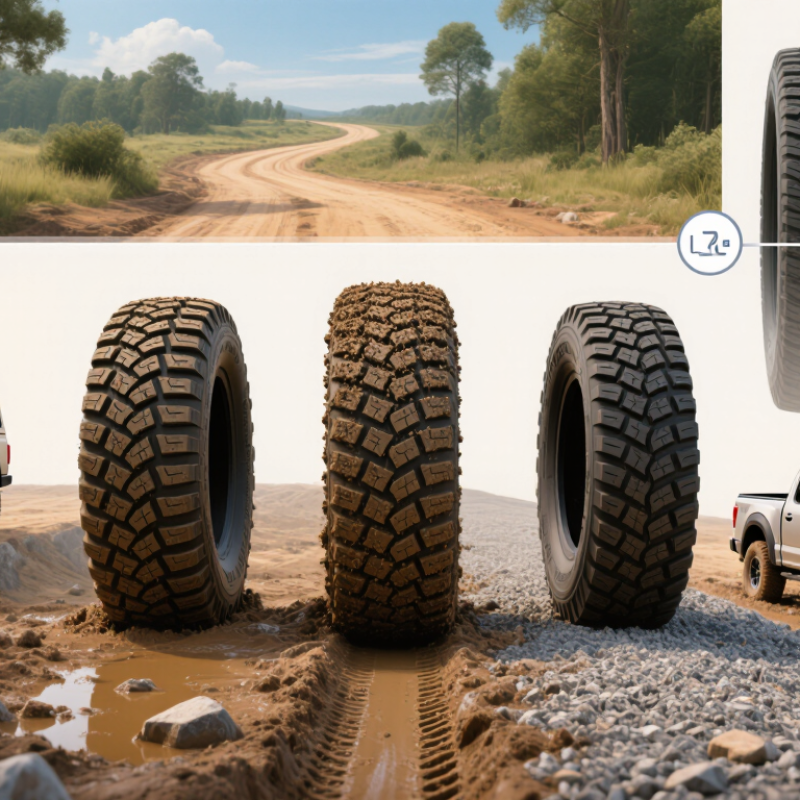
Assess the ground you actually drive on, not just the trail photos that caught your eye. Loose sand needs a broad contact patch and steady flotation, while rocky routes call for tough sidewalls and tread that can grip uneven edges. Mud behaves differently. Deep, widely spaced tread blocks can clear muck, but they may feel noisy and less settled on pavement. A short gravel driveway is not the same as a long, rutted climb.
Look at how often your vehicle leaves pavement and what it carries. A weekend trail driver may value comfort and predictable wet-road handling as much as traction; a loaded vehicle needs tires that meet its required load rating. Check seasonal conditions, too. Packed snow, slick clay, and dry rock each demand different compromises. A useful field check is to note the surface, slope, and weather on routes you drive regularly. Then compare tire specifications and independent testing for those conditions, rather than relying on tread appearance alone. This assessment will not be perfect—conditions change quickly, and one tire rarely excels everywhere. Be honest about your most common terrain, not your most dramatic trip.
How to Choose the Best Off Road Tires - Assess Your Terrain and Off-Road Driving Needs
| Terrain or Driving Need | Suitable Tire Type | Features to Look For | Benefits | Trade-Offs to Consider |
|---|---|---|---|---|
| Gravel roads and packed dirt | All-terrain | Moderate tread blocks, sturdy construction, and a tread pattern with open channels for loose debris. | Balanced grip on unpaved roads while remaining suitable for regular road use. | Less traction than more specialized tires in deep mud or on very rough rock. |
| Frequent highway driving with occasional trails | Highway-terrain or mild all-terrain | Closely spaced tread blocks and a design intended to limit road noise and rolling resistance. | Typically quieter and more comfortable on pavement than aggressive off-road designs. | May have less grip and self-cleaning ability in deep mud or loose, uneven terrain. |
| Deep mud and soft, rutted trails | Mud-terrain | Large, widely spaced tread lugs and open grooves that can help clear mud as the tire rotates. | More bite and better mud-clearing performance than a less aggressive tread pattern. | Can be noisier on pavement and may wear faster or feel less composed during everyday driving. |
| Rocky trails and uneven surfaces | All-terrain or mud-terrain suited to rock use | Durable sidewall construction, reinforced areas, and tread blocks that provide grip at low speeds. | Helps resist trail damage and maintain traction over irregular surfaces. | Sidewall protection varies by tire; careful line choice and appropriate driving technique still matter. |
| Loose sand and dunes | All-terrain with a less aggressive tread, or a tire designed for sand | A tread that is not excessively narrow or deeply lugged; suitable width depends on the vehicle and wheel setup. | A less aggressive pattern can help maintain a smoother contact patch in soft sand. | Deep, narrow tread voids may dig in; tire pressure adjustments require care and depend on the vehicle and load. |
| Mixed trails with regular pavement use | All-terrain | A compromise between open tread for loose surfaces and connected tread blocks for road manners. | Versatile choice when routes include dirt, gravel, and paved roads. | Will not usually match a dedicated mud tire in deep mud or a road-focused tire in highway comfort. |
Before choosing: Check the tire size, load rating, and speed rating against your vehicle requirements. Follow the vehicle manufacturer’s guidance for on-road inflation. Any off-road pressure adjustment should account for vehicle load, terrain, tire construction, and safe reinflation before returning to pavement.
Related Posts
-
What Are the Top Off Road Tires to Buy?
-
China Top 10 Off Road Tire Manufacturers for Global Buyers
-
What is Off Road Snow Tires and How Do They Improve Winter Driving?
-
Top Off Road Tires in China Best for Global Buyers?
-
Top Off Road Snow Tires for Global Buyers?
-
How to Choose the Best Off Road Snow Tires?