What Are the Top Off Road Tires to Buy?
Choosing the right off road tires is not a simple matter of picking the deepest tread. Terrain, vehicle weight, driving speed, weather, and daily road use all change the answer. A tire that grips loose sand may feel harsh on pavement. A mud tire can clean itself well, yet slide on wet rock. These trade-offs matter more than aggressive-looking sidewalls.
Dan Grec, author of The Four-Wheeler’s Bible, has emphasized, “The most important thing you can do to improve your vehicle’s off-road performance is to install a good set of tires.” His practical view reflects real trail experience. Tire design affects traction, braking, steering control, puncture resistance, and driver confidence. Still, no tire performs perfectly everywhere. That part is easy to forget.
This guide compares leading off road tires by terrain and intended use. It examines tread pattern, rubber durability, sidewall strength, load ratings, noise, comfort, and value. Testing should include more than a showroom impression. A tire can look formidable under bright lights, then struggle when its tread fills with clay. Conversely, a quieter all-terrain model may deliver better results for drivers who travel long highway distances.
The recommendations will not pretend that one product suits every driver. Wheel size, inflation habits, suspension changes, and vehicle weight can alter performance significantly. Manufacturer specifications remain essential, and professional fitting advice is worthwhile. Your own route matters most. That is the honest starting point.
What Makes a Tire Suitable for Off-Road Driving?
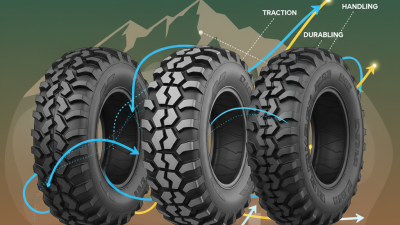
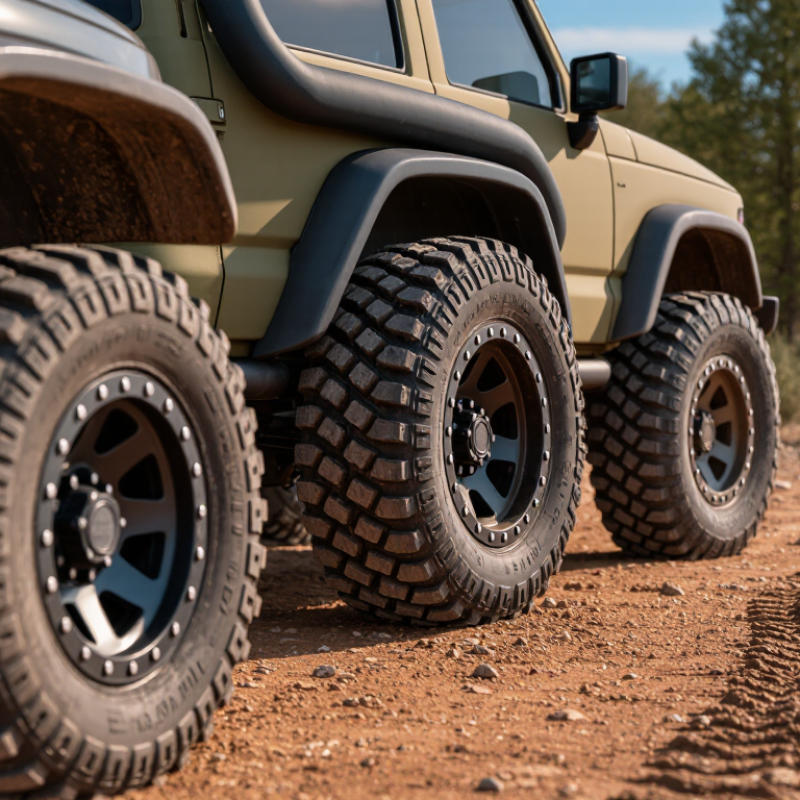
What makes a tire suitable for off-road driving? The answer begins with its tread design. Deep, open grooves help clear mud, sand, and loose stones. Strong shoulder blocks improve grip when a vehicle climbs over uneven ground. Flexible sidewalls can absorb sharp impacts, but they must still support the vehicle’s load safely.
I look for reinforced construction, a suitable load rating, and a tread compound that remains stable in changing temperatures. A tire should match the terrain you actually drive on. Mud-focused designs can feel noisy on highways, while all-terrain patterns may offer better daily comfort. There is always a compromise.
Pressure matters greatly.
Lower pressure can enlarge the contact patch on sand or rocks, but excessive reduction may damage the sidewall or unseat the tire. Use the vehicle manual and the tire maker’s pressure guidance. Check pressure again before returning to paved roads.
Small details matter. Inspect the sidewalls after driving through rocky trails. Look for cuts, bulges, and trapped stones between tread blocks. I once chose an aggressive tread for a short trail and regretted the harsh road manners afterward. The tire performed well off-road, but it was tiring during the long drive home. A suitable tire should fit the vehicle, the driver, and the journey—not just the most dramatic obstacle.
Which Off-Road Tire Features Affect Performance?
What Are the Top Off Road Tires to Buy?
Off-road tire performance depends on more than aggressive-looking tread. A deep, open pattern can clear mud quickly, but it may feel noisy on paved roads. Closely spaced tread blocks usually provide better highway stability. They can struggle in thick clay, though. The terrain should guide the choice.
Rubber compound also affects grip. Softer rubber can cling to wet rocks and roots, especially at low speeds. However, it may wear faster during long highway trips. A stronger sidewall helps resist cuts from sharp stones. Look for reinforced construction and a suitable load rating. These details matter when the vehicle carries camping equipment or recovery tools.
Tire size changes clearance, steering response, and fuel use. Larger tires may cross ruts more easily, but they can add weight and reduce acceleration. Air pressure is equally important. Lower pressure can enlarge the contact patch on sand, while excessive pressure may reduce traction. Adjust gradually and use a reliable gauge. Never assume the lowest pressure is best. I have seen drivers focus on tread depth while ignoring pressure, alignment, and uneven wear. That choice often weakens performance. A tire can look tough and still perform poorly when its compound, casing, and tread pattern do not match the driving surface.
How to Compare Durability, Traction, Comfort, and Cost
What Are the Top Off Road Tires to Buy?
How to Compare Durability, Traction, Comfort, and Cost
Choosing top off-road tires depends on where and how you drive. A rocky trail demands strong sidewalls and reinforced construction. Mud requires open tread blocks that release sticky soil quickly. On loose gravel, closely spaced blocks may provide steadier control. I check tread depth, sidewall protection, and load ratings before judging performance. Measure twice. A dramatic tread pattern does not always mean better traction.
Durability matters because sharp rocks can damage weak sidewalls. During testing, I reduce pressure carefully and inspect the tire afterward. Lower pressure improves grip, but excessive deflation can damage the rim. On wet pavement, some aggressive tires feel less predictable. Braking distance deserves attention. Traction should include wet roads, sand, mud, and uneven climbs. One tire may excel off-road but feel harsh during daily driving.
Comfort includes road noise, vibration, steering response, and fuel consumption. Noise matters. I once preferred a rugged tire, then changed my mind after several tiring highway trips. That experience reminded me that comfort is part of safety. Cost should include installation, rotations, repairs, and expected mileage. A cheaper tire may cost more when it wears quickly. A costly option may be sensible for frequent trail use, but not for occasional weekends. Compare real driving needs, not only the lowest price.
How to Choose, Install, and Maintain the Right Off-Road Tires
What Are the Top Off Road Tires to Buy?
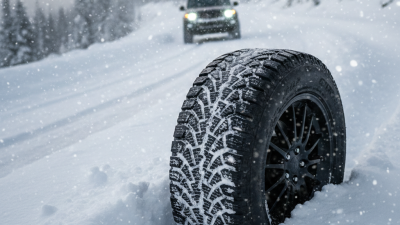
Choosing off-road tires starts with terrain, load, and driving habits. All-terrain tires suit mixed roads, while mud-terrain designs provide stronger grip in deep mud and loose soil. Check the tire’s load index, speed rating, size, and severe-snow marking before buying. A tire that looks aggressive may perform poorly on wet pavement. NHTSA recorded 738 fatalities and more than 11,000 tire-related crashes in 2017, showing why fitment and maintenance deserve careful attention.
Installation should follow the vehicle manufacturer’s specifications, not guesswork. A trained technician should inspect the wheels, balance the assembly, and tighten lug nuts with a calibrated torque wrench. Incorrect torque can damage studs or loosen the wheel. Measure pressure when tires are cold, then adjust it for the vehicle’s recommended load. For trails, lowering pressure can improve traction, but excessive deflation may unseat the bead or damage the sidewall. That mistake is easy to make.
Keep the air compressor nearby. USTMA maintenance guidance recommends regular pressure checks and replacing tires at 2/32-inch tread depth, while off-road users should inspect them more often for cuts, bulges, and embedded stones. Rotate tires according to the vehicle manual and real wear patterns. Mud packed inside the wheels can create vibration, so clean the wheels after difficult terrain. I would also recheck alignment after repeated rock impacts; ignoring a slight pull can turn uneven wear into an expensive lesson.