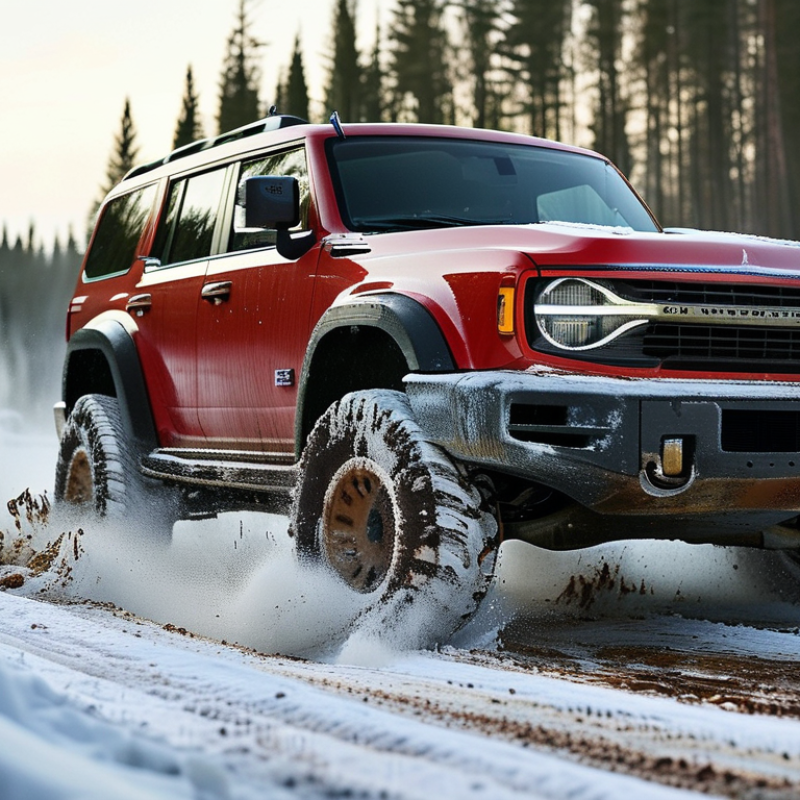
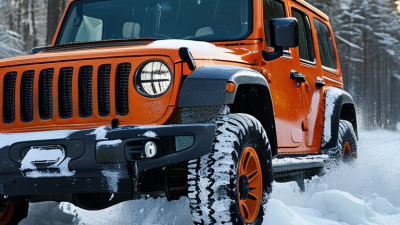
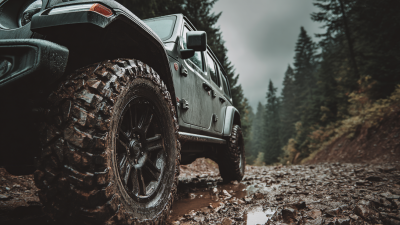
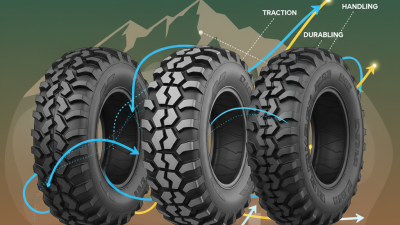
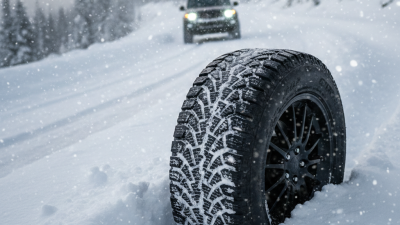
Choosing the best off road snow tires is not about finding the deepest tread pattern. It is about matching traction, temperature, vehicle weight, and terrain. Global buyers face different winter conditions. A Canadian forest road may carry packed snow, while a Scandinavian trail may expose polished ice. In contrast, mountain routes can combine loose gravel, frozen mud, and sharp stones within one journey.
Tire-testing specialist John Mahoney explains, “Winter traction begins with the contact patch, not the marketing label.” That idea deserves attention. A wide, aggressive tread may look capable beside a muddy trail. Yet it can feel unstable on hard ice. A softer compound can grip cold surfaces better, but it may wear quickly on dry highways. Trade-offs remain.
This guide examines off road snow tires through practical details. We consider siping, sidewall strength, stud compatibility, load ratings, and self-cleaning tread design. We also compare road comfort with trail control. Small details matter. A reinforced sidewall can prevent damage near frozen rocks. Proper inflation can improve footprint stability. Still, no tire solves every winter problem.
Some recommendations may feel less certain. Testing conditions vary. Driver skill matters, too. A tire that performs brilliantly in deep powder may disappoint on wet asphalt. That weakness should not be hidden. Buyers should check local temperature ranges, vehicle specifications, and seasonal driving patterns before choosing. The right decision is rarely the most dramatic one. It is the one that remains dependable after the road changes.
Top Off Road Snow Tires for Global Buyers
Choosing off-road snow tires starts with the driving surface, not the tire’s appearance. Studless winter tires suit packed snow, ice, and cold highways. Their flexible rubber compound remains usable below freezing. AAA’s 2019 testing found winter tires delivered 25–50% more traction on snow than all-season tires. That difference matters when a loaded vehicle approaches a frozen bend.
For deep snow and forest tracks, severe-snow-rated all-terrain tires offer stronger sidewalls and deeper tread channels. Look for the Three-Peak Mountain Snowflake symbol. It indicates standardized snow-traction testing, not guaranteed performance on every trail. Mud-terrain designs can clear loose snow, but their large tread gaps may feel unstable on polished ice. Studded tires provide excellent ice grip, where local regulations permit them. They can also create more road noise and reduce dry-road comfort.
Temperature changes complicate the decision. A tire that performs well at minus 20°C may feel vague on wet pavement at 8°C. The U.S. Tire Manufacturers Association advises checking inflation pressure regularly, because cold temperatures reduce pressure and affect handling. Match the tire’s load rating to the vehicle and cargo. Do not trust aggressive tread alone. A lab result cannot predict every steep driveway, rocky trail, or sudden thaw. The overlooked weakness is often incorrect pressure, not tire design.
Choosing an off-road snow tire starts with tread geometry, not aggressive appearance. Deep, staggered lugs can clear loose snow and mud. However, wide gaps may reduce stability on packed roads. Look for flexible shoulder blocks that grip uneven ground without feeling vague during steering. Siping also matters. Small cuts create extra biting edges on icy surfaces. I have found that too many thin sipes can weaken block support. The balance is easy to overlook.
Compound design controls performance across changing temperatures. A winter-focused compound should remain flexible below freezing. It should not become overly soft on warmer pavement. Silica-rich formulations often support wet traction, but results depend on the complete tread design. Buyers should also check load ratings, sidewall protection, and vehicle fitment. A tire can look capable and still perform poorly when overloaded. No design wins everywhere.
Tips: Compare the tire’s tested temperature range with your local winters. Inspect the tread after several trips, especially around shoulder blocks. For studded versions, confirm local road rules before purchase. Studs can improve ice traction, yet they may add noise and reduce smooth-road comfort. Their spacing and retention matter more than quantity alone. Ask for independent test data when available. Be cautious with dramatic marketing claims. Real snow performance is usually more complicated.
Top Off Road Snow Tires for Global Buyers?
How to Choose Tire Size and Vehicle Compatibility
Choosing off-road snow tires starts with the vehicle, not the tread pattern. Read the door-jamb label or owner’s manual for the original tire size, load index, and speed rating. A tire marked 265/70R17 must match the wheel diameter and fitment requirements. Check clearance near the suspension, fenders, and steering components. A wider tire may look capable, yet rub during a tight turn or when snow packs inside the wheel arch. Four-wheel drive helps traction, but it cannot correct an unsuitable tire.
Tips: Measure twice. Buy once. Confirm the tire’s winter rating and load capacity before ordering. Compare the manufacturer’s fitment data with your exact vehicle year, engine, and suspension setup. Local road rules also matter, especially for studded tires, marked winter tires, and required seasonal equipment. Global buyers should confirm metric or regional sizing carefully, because similar-looking numbers can describe different standards.
From practical fitting experience, tire pressure changes noticeably in freezing weather. I once assumed the door label’s pressure was enough for every terrain, but heavy cargo required a careful adjustment within the approved range. That mistake made steering feel vague. Recheck pressure after installation, inspect sidewalls for cuts, and test braking on a quiet, legal surface. Snow tires are not magic. Vehicle compatibility, correct pressure, and cautious driving still decide how confidently the vehicle handles ice, mud, and uneven trails.
Representative tire sizes commonly used by vehicle class. Always confirm the exact size, load index, speed rating, wheel diameter, and clearance in the vehicle placard and owner’s manual.
The chart compares typical metric tire sizes and their calculated overall diameters. Tire diameter is calculated from the tire notation: diameter = wheel diameter + 2 × (section width × aspect ratio ÷ 100) ÷ 25.4. A replacement tire should match the vehicle’s approved size range and maintain suitable load capacity, clearance, drivetrain compatibility, and winter performance requirements.
For global buyers, off-road snow tires must match regional law, not just advertised toughness. In Europe, UNECE Regulation No. 117 recognizes the Three-Peak Mountain Snowflake marking for certified snow performance. The European Tyre and Rim Technical Organisation also separates severe-snow testing from basic M+S labeling. That difference matters on a muddy mountain road.
Local rules can be stricter. Quebec requires winter tires from December 1 to March 15, while Germany applies winter equipment requirements during actual snow, ice, or slush conditions. The United States has no single nationwide winter-tire rule, so state guidance must be checked before purchase. Laws can change. Verify them.
Climate data complicates the decision. The World Meteorological Organization reported that 2023 was the warmest year recorded, yet extreme snowfall and rapid freeze-thaw cycles still create dangerous surfaces. A tire designed for deep powder may feel vague on wet pavement. For mixed terrain, I would check the 3PMSF symbol, carcass strength, sidewall protection, and manufacturer load data. Keep pressure near the vehicle maker’s recommendation, especially when temperatures fall sharply. The U.S. Tire Manufacturers Association advises regular pressure checks because cold weather reduces inflation pressure. The label helps, but it is not the whole answer. 马会
| Market / Region | Typical Winter-Tire Rule | Chain or Traction-Device Requirements | Climate and Terrain Factors | Recommended Tire Characteristics | Relevant Market Standards or Markings | Buyer Considerations |
|---|---|---|---|---|---|---|
| Alpine Europe Austria, Switzerland, mountain areas |
Austria generally requires winter tires on all wheels from November 1 to April 15 when roads have snow, slush, or ice. Switzerland relies more heavily on road conditions and driver responsibility. | Snow chains may be mandatory on signed mountain roads. They are normally used on at least the driven axle and must be fitted when required by signs or authorities. | Frequent steep grades, compacted snow, black ice, rapid temperature changes, and high braking demand on descents. | Deep directional grooves, strong snow-edge density, stable casing, controlled stud compatibility where permitted, and high wet-braking performance. | Look for the 3PMSF marking for severe-snow performance. Local rules may also specify minimum tread depth and permitted stud use. | Confirm the exact canton, province, or road authority requirements. Load and speed ratings should match the vehicle, especially for modified off-road vehicles. |
| Germany | Winter tires are required in wintry conditions, including ice, packed snow, slush, and frost. There is no single national calendar period for all conditions. | Chains may be required on roads marked with the snow-chain sign. Studded tires are generally restricted, with limited exceptions. | Mixed winter conditions, wet cold roads, occasional heavy snow, and motorway travel require balanced snow and wet-road performance. | 3PMSF-rated tread, strong wet grip, low-temperature flexibility, precise steering, and suitable load capacity for utility vehicles. | The 3PMSF symbol is important for legal winter use. The former M+S marking alone is not sufficient for newly purchased tires under current German requirements. | Check the tire sidewall marking and production status before purchase. All-wheel drive does not replace the need for compliant tires on all wheels. |
| France Mountain zones |
In designated mountain municipalities, suitable winter equipment is generally required from November 1 through March 31. The exact roads and local implementation should be checked. | Vehicles may need either four suitable winter tires or removable anti-skid devices such as chains or approved snow socks, depending on the applicable rule. | Mountain passes, wet snow, freeze-thaw cycles, narrow roads, and changing altitude create demanding traction conditions. | Predictable cornering, strong lateral snow grip, robust sidewalls, and compatibility with carrying or fitting chains. | The 3PMSF marking is the principal severe-snow indicator for modern winter tires. Road signs and municipal notices remain decisive. | A tire suitable for ordinary winter roads may not replace chains on a steep road where a chain requirement is posted. |
| Nordic Europe Sweden, Finland, Norway |
Winter-use periods and minimum tread-depth rules vary by country. Sweden generally applies winter-tire requirements during winter conditions between December 1 and March 31; Finland and Norway also use condition-based and seasonal provisions. | Chains or equivalent traction equipment may be required for heavy vehicles or on specific roads. Studded-tire dates and restrictions vary by country and municipality. | Long periods below freezing, polished ice, dry powder snow, packed snow, and very low daylight conditions favor specialized Nordic winter designs. | Very flexible rubber compound, dense sipes, ice-focused tread edges, strong casing durability, and low-temperature braking performance. | 3PMSF is widely relevant. Studded tires may be accepted but are subject to local time limits, road restrictions, or environmental charges. | Choose a Nordic-oriented design for persistent ice and deep cold; choose a European friction design when winter roads are mainly wet, cleared, and fast-moving. |
| Canada National and provincial markets |
Rules are provincial rather than national. Quebec requires winter tires during the statutory winter period, while other provinces commonly use recommendations, insurance requirements, or local conditions. | Chains and approved traction devices may be required during severe storms, on mountain routes, or where road signs and authorities require them. | Conditions range from dry extreme cold and packed snow on the Prairies to wet coastal snow and steep mountain routes in western regions. | High ice traction, durable sidewalls, strong snow evacuation, cold-weather flexibility, and a load rating suitable for pickup or sport-utility use. | Look for 3PMSF certification and verify compliance with provincial requirements. Tire and rim sizes must meet vehicle and safety specifications. | Provincial rules can differ substantially. Buyers should also check whether the vehicle is used commercially, on remote roads, or across multiple provinces. |
| United States State and mountain corridors |
There is no single nationwide winter-tire mandate. States and road authorities may impose tire, chain, or traction-control requirements during storms, especially on mountain passes. | Chain-control levels can require chains, approved alternative traction devices, or four-wheel drive with qualifying tires. Requirements can change rapidly during storms. | Conditions vary from lake-effect snow and ice to high-altitude powder, wet coastal snow, and long dry-road periods. | Select the design for the route: ice-oriented tread for northern states, deep-snow capability for mountain areas, or durable all-terrain construction for mixed surfaces. | 3PMSF indicates tested severe-snow capability. The U.S. UTQG system provides treadwear, traction, and temperature information, but it does not replace local chain rules. | Check state Department of Transportation notices, tire-chain clearance, fender clearance, and the vehicle manufacturer’s approved tire size. |
| Japan Hokkaido and snow regions |
Winter tires are widely expected in snowy and icy regions, although the exact legal requirements may be set through local road rules, traffic restrictions, or authorities during winter events. | Chains may be required during designated heavy-snow restrictions or on steep roads. Drivers should carry compatible chains when traveling through remote mountain areas. | Heavy snowfall, compacted urban snow, ice, narrow mountain roads, and frequent freeze-thaw cycles require strong low-speed control. | Excellent ice braking, dense siping, flexible compound, stable performance on slush, and compact packaging for vehicles with limited wheel-well clearance. | Confirm applicable Japanese safety and labeling requirements. 3PMSF can provide an additional severe-snow reference for imported products. | Prioritize ice and packed-snow performance over aggressive dry-road handling when the vehicle is used mainly in northern or mountainous areas. |
| China Northeastern and high-altitude regions |
Winter equipment practices and enforcement can vary by province, city, road class, and weather event. Snow-region operators should follow local transport and traffic notices. | Chains may be required or recommended on mountain roads, during blizzards, and on routes managed under temporary traffic controls. | Northeastern winters bring dry cold and packed snow, while plateau and mountain areas add altitude, wind, steep grades, and rapid weather changes. | Cold-flexible compound, high snow evacuation, reinforced casing, reliable bead retention, and correct load capacity for commercial or utility vehicles. | Imported products should be checked for applicable national certification, labeling, size, load, speed, and severe-snow markings. | For cross-region use, select a tire with a broad operating range rather than a design optimized only for dry, deep powder snow. |
| Australia and New Zealand Alpine and high-country roads |
Winter-tire use is generally concentrated in alpine regions and is often governed by road signs, temporary restrictions, rental policies, or local authority directions rather than a nationwide calendar mandate. | Chains may be compulsory on selected alpine roads during snow events. Drivers should carry and know how to fit the required equipment. | Seasonal snow, wet pavement, gravel access roads, sudden storms, and long dry-road intervals require versatile performance. | All-terrain winter capability, strong wet braking, cut resistance, stable handling on gravel, and compatibility with snow chains. | Check local vehicle standards, approved tire dimensions, speed ratings, and 3PMSF status where severe-snow performance is needed. | A dedicated deep-winter tire may be unnecessary for mild urban use but valuable for repeated alpine travel or remote off-road access. |

For global buyers, off-road snow tires need correct installation before aggressive tread becomes useful. Fit four matching winter tires, not only two. Mixed traction can make a loaded vehicle rotate unexpectedly on icy tracks. Check the tire’s size, load index, speed rating, and wheel clearance against the vehicle manual. The Tire Industry Association recommends winter tires with at least 6/32 inch of tread for snow service. That figure is practical, not universal. Local climate and terrain still matter.
Cold air reduces pressure. The U.S. Tire Manufacturers Association advises checking inflation monthly and before long trips, using the vehicle maker’s cold-pressure specification. Measure pressure in a shaded driveway, not after driving. Inspect shoulder cuts, embedded stones, cracked sidewalls, and uneven wear. Rotate tires according to the vehicle manual, often near 8,000 kilometers. Off-road use can shorten that interval. A small pressure gauge is worth carrying.
Tips: Mark each tire’s position during seasonal removal. Store tires upright, clean, dry, and away from sunlight or electrical equipment. Transport Canada recommends replacing tires when tread reaches 1.5 millimeters, while many winter technicians suggest earlier replacement near 4 millimeters for snow performance. Never judge condition by tread depth alone. Age matters too; the European Tyre and Rim Technical Organisation recommends regular inspection after five years, with replacement decisions based on condition. I sometimes overvalue visible tread myself. Rubber can look healthy yet feel hard and brittle. Replace damaged tires immediately, even when the grooves appear deep.