
Why Choose a Tire Shop for Bulk Tire Purchases?
Buying tires in volume can lower unit costs, but price alone does not make a purchase smart. A reliable tire shop can help match quantities to vehicle needs, confirm fitment, and plan installation. Small details matter: the load rating on a delivery van, the tire size printed on a sidewall, or the space available for storage.
The market is large. The U.S. Tire Manufacturers Association’s 2024 shipment forecast projected about 338 million tires across categories in the United States. That figure shows the scale of tire demand; it does not prove that every bulk deal offers savings. Not always. Buyers should compare written quotes, including mounting, balancing, delivery, and disposal charges. They should also ask about production dates and storage conditions. Rubber ages, even when tires are unused.
A knowledgeable shop can make those checks easier. Staff can flag mismatched specifications, explain warranty terms, and coordinate installation across a fleet or several vehicles. That can reduce avoidable delays. Still, a shop may not have every size in stock, and a large order can tie up cash or take up valuable storage space. Worth considering. For small businesses, fleet managers, and group buyers, the best choice is a transparent tire shop that explains both the savings and the trade-offs. Bulk buying works best when the tires fit the vehicles, the timing suits the buyer, and the final costs are clear.
Understanding the Needs of Bulk Tire Purchases
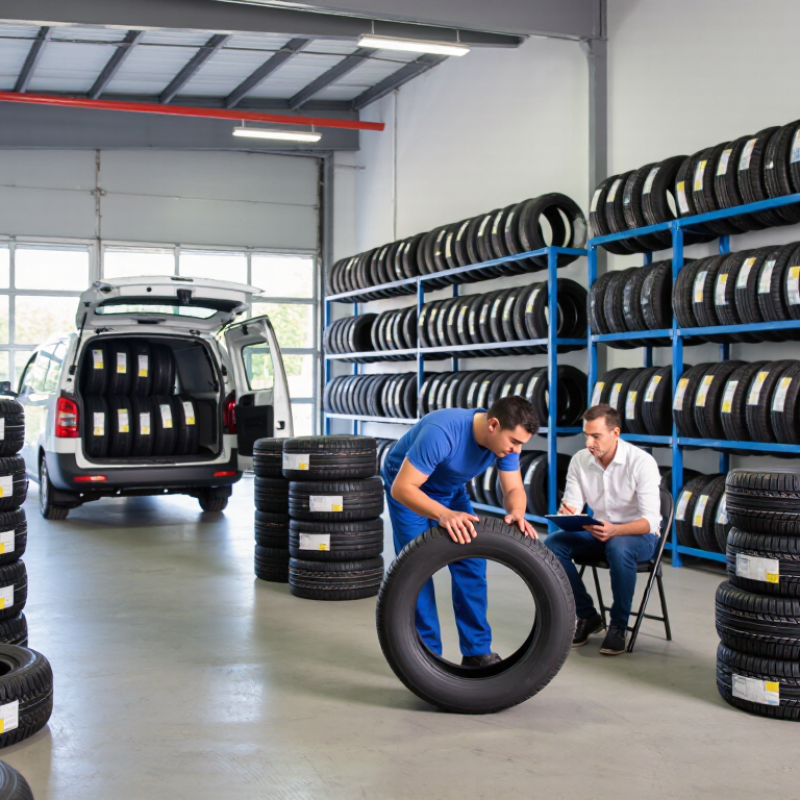
Bulk tire purchasing starts with a clear picture of what vehicles need, not a low unit price. Record tire sizes, load and speed ratings, seasonal demand, and replacement schedules. A delivery fleet may need several sizes, while a repair shop may see unpredictable walk-in requests. Small details matter. The U.S. Tire Manufacturers Association’s 2024 forecast projected 337.4 million tire shipments in the United States that year. This large market figure highlights why buyers should plan stock carefully, but it cannot predict one shop’s local demand.
A tire shop can help match orders to actual fitments and arrange replenishment in manageable batches. Ask how tires are stored, how production dates are checked, and what happens when an order arrives with incorrect specifications. Confirm delivery timing and return terms before committing. A full pallet can look efficient on paper, yet slow-moving sizes tie up cash and storage space. Forecasts can miss; review sales and inventory regularly instead of treating one estimate as certain.
Tips: Share a recent sales history and a vehicle-fitment list before requesting quotes. Compare the delivered cost, not only the per-tire price. Check date codes on arrival, and leave room for seasonal demand shifts.
Why Choose a Tire Shop for Bulk Tire Purchases? - Understanding the Needs of Bulk Tire Purchases
| Bulk Purchase Need | Typical Requirement | How a Tire Shop Can Help | What to Confirm Before Ordering |
|---|---|---|---|
| Consistent tire specifications | Multiple vehicles may require the same size, load index, and speed rating. | Staff can check fitment information and help match the order to each vehicle’s requirements. | Verify the vehicle placard or manual, including size and load specifications. |
| Coordinated installation | A fleet or work group may need several sets fitted within a planned service window. | A shop may schedule installation, balancing, and related services together, subject to capacity. | Ask about appointment availability, installation fees, and expected time per vehicle. |
| Availability and lead time | Larger quantities can require advance ordering if all tires are not in stock. | The shop can check local inventory and provide an estimated delivery or pickup timeline. | Confirm the quantity available, delivery timing, and how substitutions will be handled. |
| Order planning and cost clarity | The total cost may include tires, installation, balancing, disposal, and applicable taxes. | A written quote can help compare the full service cost rather than the tire price alone. | Request an itemized quote and check whether bulk pricing or payment terms are available. |
| Storage and delivery logistics | A large order needs adequate storage space and a plan for moving tires to the installation location. | Some shops offer delivery or staged pickup; availability depends on the shop and order size. | Confirm delivery fees, storage limits, pickup deadlines, and handling arrangements. |
| Ongoing maintenance | Regular inspections, pressure checks, rotations, and alignment checks can support tire service life. | A shop may provide follow-up maintenance and keep service records for vehicles it services. | Ask which maintenance services are included, recommended, or billed separately. |
| Warranty and documentation | Bulk buyers may need invoices and tire details for records, warranty inquiries, or fleet tracking. | The shop can provide purchase and service documentation and explain the applicable warranty process. | Review warranty terms, exclusions, proof-of-purchase requirements, and claim procedures. |
Note: Services, inventory, pricing, and delivery options vary by tire shop. Confirm all details in writing before placing a bulk order.
Related Posts
-
How to Find the Best Tire Shop in China?
-

What Is the 2026 Best Tire Center Type for Global Buyers?
-
10 Best Tire Shop Questions for Global Buyers?
-
Top Off Road Tires of 2025: Best Choices for Ultimate Traction
-

Top 10 Premium Sport Tires You Need to Consider?
-
Best Van Tyres for 2026 What You Need to Know?