
10 Best Tire Shop Questions for Global Buyers?
Buying tires across borders is more complex than comparing prices on a product page. A reliable tire shop should answer practical questions about specifications, certification, warranty, shipping, and after-sales support. Global buyers also need to check whether the tire matches local road conditions, vehicle requirements, and destination-market regulations.
This guide presents ten useful questions for international purchasers. They cover tire size, load index, speed rating, production date, tread design, and quality documentation. Ask whether the seller can provide clear photos, batch information, test certificates, and a formal commercial invoice. Small details matter. A missing date code can create uncertainty months later. Ask before paying.
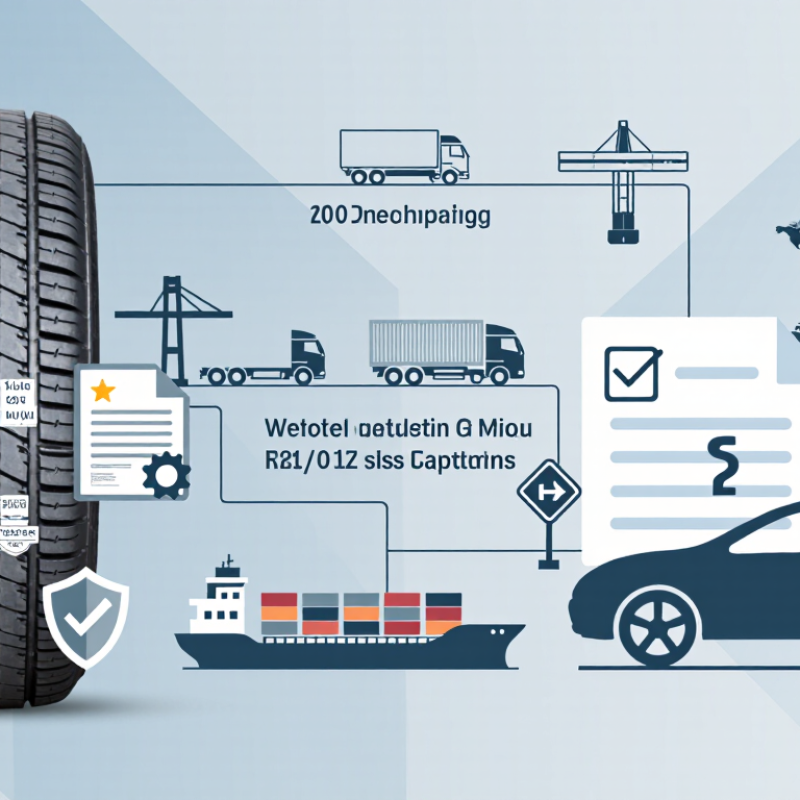
Shipping terms deserve equal attention. Confirm packaging, container loading, insurance responsibilities, customs documents, and the meaning of each Incoterm. Requirements vary by country, so buyers should verify current rules with local authorities or qualified import professionals. A low quote may look attractive, but freight, duties, rejected goods, or weak warranty service can change the real cost. I have learned that a confident sales promise is not enough without written evidence. Some questions may feel repetitive, and this guide cannot replace technical inspection. Still, careful answers can reveal whether a tire shop has genuine expertise, dependable processes, and the experience to support buyers beyond the first order.
What Tire Specifications Should Global Buyers Confirm Before Ordering?
10 Best Tire Shop Questions for Global Buyers?
Before ordering, ask the tire shop to confirm the complete specification, not only the tire size. Is the required size 205/55R16, for example? What are the load index and speed rating? Is the tire radial, tubeless, reinforced, or run-flat? Does it suit summer, winter, all-season, or severe-weather use? Also ask for the tread pattern, sidewall markings, rim width range, and recommended inflation pressure.
Check whether the specification matches your vehicle’s axle load and operating conditions. A delivery van carrying heavy cargo needs different load capacity from a passenger car. Confirm the manufacturing date, storage conditions, warranty coverage, and certification marks required in the destination market. ETRTO technical standards provide important guidance on dimensions, load, speed, and approved fitment. UNECE Regulation No. 117 also addresses wet grip, rolling resistance, and exterior noise for applicable markets.
Ask for measured data, not vague claims. The U.S. Tire Manufacturers Association reports that tires can influence up to 30% of a vehicle’s fuel consumption. Rolling resistance therefore matters, especially for fleets. Request test values, wet-grip information, and tread-depth details. One common mistake is comparing price before comparing specifications. I have seen buyers overlook a mismatched load index. That decision can affect handling, wear, and safety. Specifications must come first.
10 Best Tire Shop Questions for Global Buyers? - What Tire Specifications Should Global Buyers Confirm Before Ordering?
| No. | Question to Ask the Tire Shop | Specification or Data to Confirm | Realistic Example or Format | Why It Matters for Global Buyers | Recommended Verification |
|---|---|---|---|---|---|
| 1 | What exact tire size is available? | Section width, aspect ratio, construction type, and rim diameter. | 205/55 R16 | The tire must match the vehicle, wheel, clearance, and approved fitment requirements. A similar-looking size may still be unsuitable. | Compare the size printed on the vehicle placard, owner’s manual, or original tire sidewall. |
| 2 | What are the load index and speed rating? | Maximum permitted load per tire and maximum rated speed under specified conditions. | 91V: load index 91 = 615 kg; V = up to 240 km/h | Using a lower rating than the vehicle requirement can affect safety, handling, legal compliance, and insurance coverage. | Confirm that the load index and speed symbol meet or exceed the vehicle manufacturer’s requirements. |
| 3 | What tire construction and application are offered? | Radial or bias construction, passenger-car or commercial-vehicle use, and intended service conditions. | Radial construction; passenger-car application | Construction and application influence durability, ride comfort, heat management, and load-carrying performance. | Request the technical data sheet and verify that the application matches the vehicle category. |
| 4 | What is the tire’s production date? | Four-digit date code showing the week and year of manufacture. | 3525 = 35th week of 2025 | Tire age can affect storage life, warranty handling, and buyer acceptance. The maximum permitted age may differ by market or customer policy. | Ask for a current date range, inspect the sidewall date code, and confirm the seller’s age policy in writing. |
| 5 | Is the tire tubeless, and what valve or tube requirement applies? | Tubeless or tube-type design, valve specification, and compatibility with the wheel. | Tubeless tire; compatible with a standard approved valve for the wheel | Incorrect tube, valve, or wheel compatibility can cause air loss, installation problems, or unsafe operation. | Match the tire design with the wheel type and follow the installation requirements for the vehicle. |
| 6 | What are the approved inflation pressures and maximum load? | Recommended cold inflation pressure, maximum inflation pressure, and load capacity at stated pressure. | Pressure must be confirmed from the vehicle placard; tire sidewall pressure is not always the vehicle’s recommended setting. | Correct pressure supports braking, fuel efficiency, tread wear, comfort, and load performance across different climates and payloads. | Use the vehicle manufacturer’s placard or manual and confirm the tire’s load-and-inflation table where applicable. |
| 7 | What markings and regulatory approvals are present? | Required market markings, conformity certification, production-control information, and any vehicle-specific approval required by the destination. | Applicable conformity marking and regulatory documentation for the destination market | Import authorities, distributors, and vehicle manufacturers may require different documents or markings before sale or registration. | Request clear sidewall photos, certificates, test reports, and a destination-specific compliance statement. |
| 8 | What tread pattern and seasonal performance category does it have? | Summer, winter, or all-season classification; wet-grip performance; snow or severe-snow-service marking where applicable. | All-season design; wet-grip and snow capability must be confirmed from the applicable market labeling and markings. | Climate, road conditions, and local rules determine whether the tire is suitable for heat, rain, ice, or snow. | Review the destination’s seasonal-tire laws and compare the product’s certified markings and test information. |
| 9 | What are the rolling-resistance, wet-grip, and external-noise ratings? | Market-specific label values or grades for fuel or energy efficiency, wet braking, and external rolling noise. | Label values vary by tire size and product version; request the official label for the exact specification. | These characteristics affect operating cost, braking performance, environmental reporting, and fleet purchasing criteria. | Ask for the official product label or test documentation for the exact size, load index, and speed rating. |
| 10 | What warranty, storage, and inspection terms apply? | Warranty period, claim procedure, storage conditions, allowable tread depth, return rules, and inspection responsibilities. | Terms should identify coverage limits, exclusions, proof requirements, and the treatment of manufacturing defects. | International shipping, long storage periods, temperature exposure, and local installation can affect claims and total ownership cost. | Obtain the written warranty, storage guidance, inspection record, and acceptance criteria before placing the order. |
Related Posts
-
Best Van Tyres for 2026 What You Need to Know?
-
What is Off Road Snow Tires and How Do They Perform?
-
2026 Best Vehicle Tyres for All Weather Conditions?
-
How to Find the Best Tire Places Near You for Quality Service?
-

Best Vehicle Tires for Maximum Performance and Durability?
-

Top 10 Premium Sport Tires You Need to Consider?