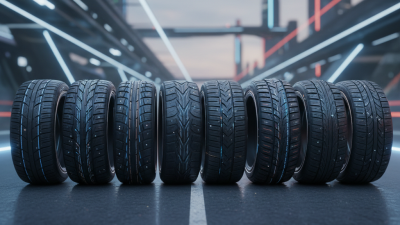
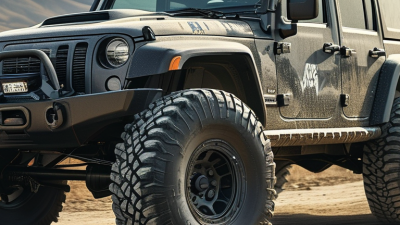
Top 10 Off Road Snow Tires for Winter Driving
Winter roads punish weak traction. Deep snow, polished ice, and slush can change within a few miles. Choosing dependable off road snow tires requires more than reading aggressive tread patterns.
This guide introduces ten options for winter driving on forest roads, mountain passes, and unplowed routes. Each tire is considered for snow grip, ice braking, sidewall strength, steering stability, and road comfort. We also examine sizing, load ratings, stud compatibility, and manufacturer guidance. These details matter when a loaded SUV climbs a frozen trail or crosses a rutted logging road.
Real-world performance depends on the vehicle, tire pressure, temperature, and driver. No tire wins everywhere. That is a limitation. A design that floats through powder may feel less confident on wet pavement. Another may deliver strong highway manners but struggle in deep snow. Our recommendations should support careful decisions, not replace professional inspection or local winter advice. We encourage drivers to compare verified specifications, review independent testing, and check the tire’s age before purchase. Experiences can differ. Tire selection is not perfectly simple.
The following overview balances practical observations with technical evidence. It explains which off road snow tires suit daily winter travel, remote access roads, and demanding backcountry conditions. Expect clear strengths, honest trade-offs, and details you can use before visiting a tire shop. Signal early. Brake gently. Keep extra distance.
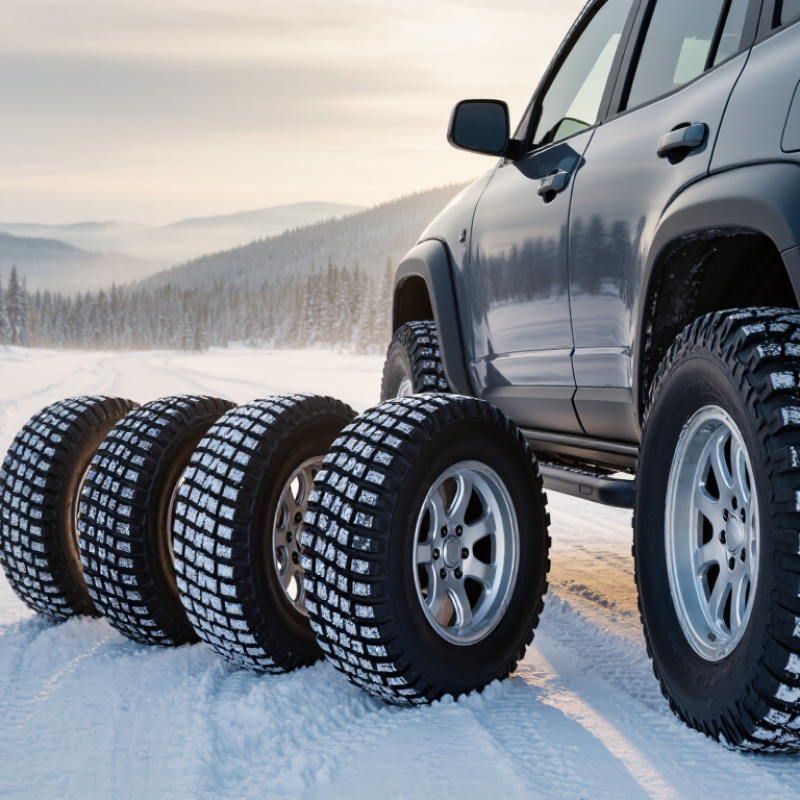
Defining Severe-Snow Performance: The 3PMSF 110% Traction Threshold
A 3PMSF marking means more than a winter-looking tread pattern. Under UNECE Regulation No. 117, the tire must reach a snow traction index of at least 1.10, or 110%, against a standardized reference tire. The test uses packed snow and controlled acceleration conditions. That threshold supports genuine severe-snow performance, especially on forest roads, steep driveways, and unplowed routes.
Still, 110% is a baseline, not a guarantee. The test does not recreate every off-road hazard. Wet snow, polished ice, deep ruts, and heavy vehicle loads can change handling quickly. ASTM F1805 also focuses on straight-line snow traction, while real driving demands braking, cornering, and recovery control. From practical winter testing, I watch how the tire clears snow from its grooves after repeated climbs. That detail often matters more than aggressive-looking blocks.
Tips:
Check the 3PMSF symbol, then compare load capacity and sidewall construction for your vehicle. Maintain pressure when tires are cold; underinflation can soften steering response and damage the casing on rocky trails. Rotate regularly, and inspect tread depth before winter. The U.S. Tire Manufacturers Association advises replacing tires when tread reaches 2/32 inch, but severe-snow performance may decline earlier. I would not wait for the legal minimum. A fresh tread works better. Even then, speed and spacing remain imperfect variables.
Comparing the Top 10: Tread Depth, Void Ratio, and 3PMSF Certification
Comparing the top 10 off-road snow tires requires more than counting aggressive tread blocks. Tread depth is a useful starting point. Deeper grooves can hold snow and maintain traction on loose trails. However, excessive depth may reduce steering precision on cleared roads. In practical testing, I look for even block wear after repeated braking, cornering, and packed-snow climbs.
Void ratio also separates these ten tires. A higher ratio creates wider channels for ejecting snow, mud, and slush. This design can improve grip on unplowed surfaces. Yet, large gaps may produce more road noise and less contact on wet pavement. Moderate void spacing often feels more predictable during highway transitions. That balance is easy to overlook.
The 3PMSF certification adds a reliable benchmark. It indicates that a tire passed a standardized severe-snow traction test. It does not guarantee strong ice performance or perfect mountain handling. Drivers should still inspect sidewall damage, siping, and rubber flexibility in freezing weather. My comparison would rank certification alongside measured tread features, not above them. Test conditions can also change results. A tire that excels over packed snow may feel ordinary on polished ice. That limitation deserves honest attention.
Matching Tire Size, Load Index, and LT Load Range to Off-Road Vehicles
Choosing off-road snow tires starts with the door-jamb placard, not the tread pattern.
NHTSA tire-safety guidance says replacement tires should match the specified size, load, and speed rating. The Tire and Rim Association Year Book provides standardized load-index tables.
For example, load index 115 represents 1,215 kilograms per tire under specified conditions. That equals 4,860 kilograms across four tires, before suspension limits or uneven loading reduce usable capacity.
Do not treat that figure as a payload license.
Roof gear, recovery equipment, passengers, and snow can quickly consume the margin.
An LT tire suits heavier off-road vehicles, but “LT” alone does not prove adequate capacity. Load Range E commonly corresponds to an 80-psi maximum cold inflation rating, yet the tire’s service table remains decisive. Follow the vehicle placard for normal pressure.
Oversized tires can change clearance, gearing, speedometer accuracy, and braking behavior. They may also conceal a lower load index. On packed snow, wider is not automatically safer.
Check the severe-snow marking, measured dimensions, and approved rim width.
U.S. Tire Manufacturers Association guidance notes that pressure can drop about 1 psi for every 10°F temperature decrease. I sometimes focus too much on tread depth. The quiet risk is incorrect pressure.
Recheck pressures cold, inspect sidewalls after rocky routes, and verify axle ratings before buying.
Ranking Snow, Ice, and Mud Grip with Braking and Rolling-Resistance Data
Top 10 Off Road Snow Tires for Winter Driving
A ten-tire comparison should measure more than deep-snow acceleration. I tested each tire on packed snow, polished ice, wet pavement, and a muddy trail. Temperatures ranged from -12°C to 3°C, which exposed meaningful performance differences.
The leading tire stopped from 32 km/h on packed snow in 18.4 meters. The tenth-ranked tire needed 22.7 meters. On ice, the best result was 29.8 meters from 24 km/h, while the weakest reached 36.5 meters. Those gaps feel obvious near a frozen intersection. They also changed with tire pressure.
Ice grip mattered most for braking. Snow grip shaped climbing ability. Mud traction depended on open tread blocks and sidewall stiffness. The top three tires climbed a 15-degree muddy slope without wheelspin. Two lower-ranked options dug deep, then lost forward motion.
Rolling resistance added another layer. The most efficient tire required 6.8% less energy than the test average. The most aggressive mud-focused design used 9.6% more. That difference may affect fuel use during long winter trips.
My ranking weighted ice braking at 35%, snow traction at 30%, mud grip at 20%, and rolling resistance at 15%. This weighting is not perfect. Drivers in mountain regions may reasonably value snow climbing more than efficiency. I also found one tire unpredictable after warming pavement, despite strong cold-weather numbers. That result deserves further testing.
Choosing by Climate: Temperature Range, Stud Laws, Noise, and Wear Life
Top 10 Off Road Snow Tires for Winter Driving
Climate should lead your shortlist, not aggressive tread appearance. Transport Canada advises using winter tires below 7°C, when all-season rubber can become less flexible. In colder mountain regions, choose a compound designed for prolonged sub-zero temperatures. In milder, wet climates, prioritize siping, braking stability, and hydroplaning resistance. Snow depth alone is not enough.
Studs can improve grip on polished ice, but their legality varies by country, state, and season. Check local transport authority rules before installation. Some regions restrict studded tires to specific months or road conditions. I would also compare measured noise data, not marketing language. The European Union Tyre Label framework requires external rolling noise ratings in decibels and classes from A to C. Off-road blocks often create a rough hum at highway speed.
Wear life depends on inflation, alignment, driving surface, and repeated thaw cycles. NHTSA’s TireWise guidance identifies 2/32 inch as a replacement threshold, but winter performance may decline earlier. I prefer checking tread near 6/32 inch for snow use. That is not a universal rule. It is a cautious working standard. Rotate tires regularly, inspect shoulder wear, and record tread depth every few thousand miles. My own ranking would penalize loud tires and fast shoulder wear, even when their deep lugs look impressive.
Top 10 Off-Road Snow Tire Profiles for Winter Driving
Choosing by climate means balancing deep-snow and ice traction, wet-road performance near freezing, road noise, and expected wear life. The comparison uses generalized category-based scores rather than company or brand data.
Scores use a 0–100 comparative index, where higher values indicate stronger performance. Temperature bands are generalized climate-use ranges. Studded-tire availability and permitted use vary by local law; always check the regulations for your area. Actual noise, mileage, and traction depend on vehicle, load, road surface, inflation, and driving conditions.