What Are the Top 10 All Terrain Tires for Buyers?
Choosing all terrain tires means balancing grip, comfort, durability, and price. A rugged tread may claw through gravel, yet hum loudly on a smooth highway. Softer road manners can feel pleasant during a commute, but may offer less confidence on loose trails. No tire does everything.
This guide introduces ten options buyers may want to compare, rather than claiming one model suits every vehicle or driver. The list considers practical details: wet-road braking, tread design, road noise, available sizes, load ratings, and winter markings. Imagine a pickup turning from wet pavement onto a rutted access road; that change in surface can reveal strengths that a parking-lot inspection cannot. Still, reviews and specifications have limits. Results vary with tire pressure, vehicle weight, driving style, and maintenance.
Before buying, check the exact size and load requirements in your vehicle manual or door-jamb label. Compare warranty terms and current product specifications, since tire designs can change between sizes or model years. A mountain-snowflake symbol may matter for severe winter conditions, but it does not replace careful driving. Small details count.
The following overview is a starting point, not a final verdict. Consider where you drive most, how often you leave pavement, and which compromises you can accept. That answer may be less exciting than choosing the most aggressive tread. It is also more useful.
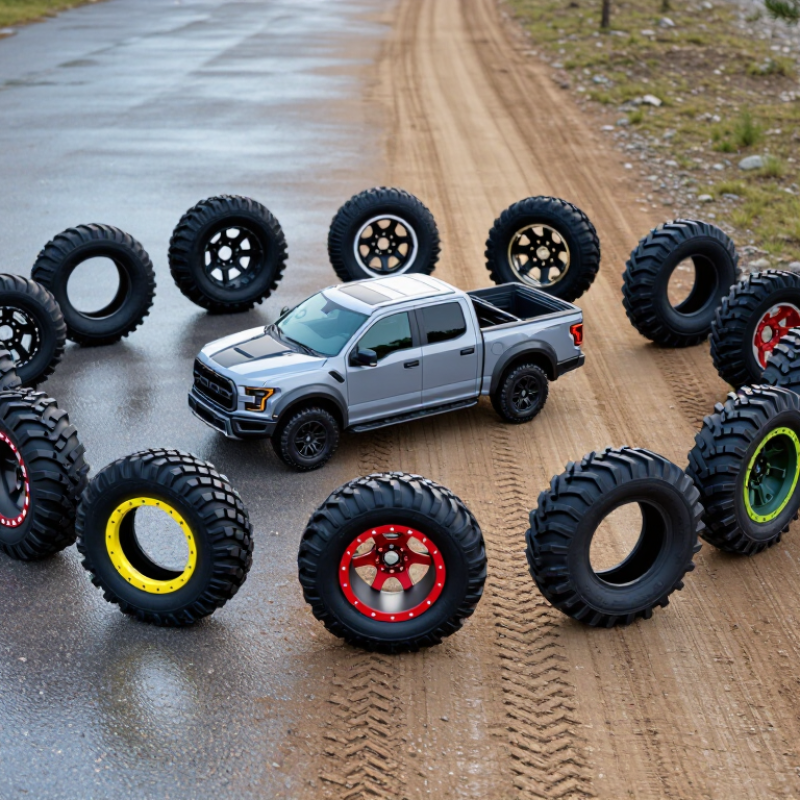
All-Terrain Tires: Design, Purpose, and Common Uses
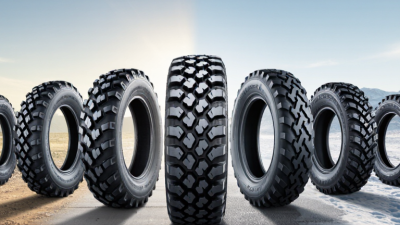
All-terrain tires are designed to bridge paved roads and rougher ground, not to excel everywhere. Their larger tread blocks and deeper, wider grooves help clear loose dirt and gravel. Reinforced construction can also offer added resistance to cuts on rocky tracks. The tradeoff is real: tread that grips loose surfaces may create more road noise and feel less smooth on asphalt. Not magic.
Tire choice should match the drive. Frequent gravel roads and muddy access trails may justify a more open tread; mostly paved commuting usually favors a quieter, less aggressive pattern. Check the tire’s load rating and vehicle placard, too. The U.S. Department of Energy’s fueleconomy.gov guidance estimates fuel economy drops about 0.2% for each 1 psi decrease in average pressure across all tires. This is general tire guidance, not an all-terrain comparison, but it shows why pressure matters. Recheck it monthly, and after large temperature changes. One detail is easy to overlook: an all-terrain label alone does not guarantee strong winter performance, so examine the tire’s specific snow markings and intended use.
Key Factors to Compare When Buying All-Terrain Tires
Choosing all-terrain tires means balancing dirt-road grip with predictable pavement handling. Start with the vehicle’s approved tire size, load index, and speed rating; a tougher-looking tread cannot compensate for an incorrect fit. Then compare tread blocks and shoulder gaps. Larger voids can help clear loose soil, but may add road noise and reduce comfort on daily commutes. Noise matters, too.
Wet braking deserves close attention. Ask for independent test results on wet pavement, gravel, and, if relevant, snow—not just claims about ruggedness. The three-peak mountain-snowflake symbol indicates a tire passed a standardized snow-traction test, but it does not guarantee equal performance on ice. Check tread depth and wear coverage as well; uneven wear can hint at alignment or inflation problems. Small details matter.
Rolling resistance affects fuel use. The U.S. Department of Energy reports that properly inflated tires can improve fuel economy by an average of 0.6%, with gains reaching 3%; each 1 psi drop across all tires can reduce it by about 0.2%. These figures cover tires generally, not every all-terrain model. Still, they make pressure and construction worth comparing. I would not treat one tread pattern as best for every driver: a vehicle hauling equipment has different needs from one taking occasional forest roads. Compare warranty terms, expected mileage, replacement cost, and measured noise, then weigh them against how you actually drive.
The Top 10 All-Terrain Tires for Different Driving Needs
For daily commuting with occasional gravel roads, an all-terrain tire with moderate tread blocks is a sensible first choice. It usually balances road noise, traction, and wear. For frequent rain, prioritize wide drainage channels and strong wet-road testing results. For snowy routes, consider a tire carrying the three-peak mountain snowflake symbol, while remembering that it cannot replace careful driving. A quiet-road design suits long highway trips. Quiet matters.
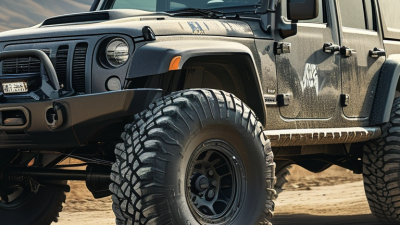
For rocky trails, reinforced sidewalls and cut-resistant rubber can reduce damage risks. Mud-focused tread uses wider gaps to clear sticky soil, but may feel louder on pavement. Towing benefits from a stable tread and a load rating matched to the vehicle and trailer. A fuel-conscious option may use a lighter construction, though it can trade some ruggedness for efficiency. Check the vehicle manual before changing tire size or load capacity.
Deep-snow drivers should compare winter traction tests, not just tread appearance. For mixed dirt and pavement, a balanced pattern avoids extreme compromises. A value-oriented tire can work well for light trail use, provided its warranty and wear reviews are credible. These ten choices serve different needs, not a universal ranking. The compromise is real. Compare tested braking, noise, and tread life, then inspect pressure and wear regularly; even a capable tire can disappoint when neglected.
How Tire Specs Shape On-Road and Off-Road Performance
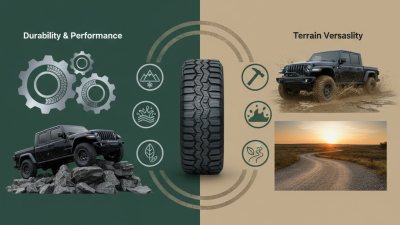
When comparing the top ten all-terrain tires, start with size, load index, and tread design. These specs affect more than appearance. Deeper tread and wider grooves can help a tire grip loose gravel and clear mud, but may add road noise. That trade-off is real. Large tread blocks can also feel less steady on wet pavement, depending on the tire’s compound and construction.
Load range and sidewall construction matter when a vehicle carries tools, passengers, or camping gear. A heavier-duty tire may resist damage on rocky trails, yet its extra weight can affect ride comfort and fuel use. Check the vehicle placard and tire manual before changing size or pressure. Cold pressure matters. Lowering pressure can improve traction on soft ground, but driving too far or too fast at reduced pressure risks heat and tire damage.
Look at the tread pattern and sidewall protection for the terrain you actually drive. Frequent gravel roads call for different priorities than occasional muddy tracks. A severe-snow service rating may help in winter conditions, but it does not replace suitable driving habits or seasonal tires where needed. Ratings are useful, not magic. I would compare independent test results when available, then match the specs to real routes; a tire that excels off-road may feel tiring on a daily commute.
Choosing the Right Tire for Your Vehicle and Budget
Choosing among the top all-terrain tires starts with your vehicle, driving routine, and budget—not the most aggressive tread. Check your owner’s manual and door-jamb placard for the correct size, load rating, and speed rating. A heavier tire may look tougher, but it can affect ride comfort, fuel use, and handling. Think about where you drive most: muddy tracks, gravel roads, or wet pavement. All-terrain tires balance several needs, so none will excel everywhere.
Tips: Compare the full installed price, including mounting and balancing. Check tread-life coverage and whether the tire carries a severe-snow rating if winter traction matters. Read reviews from drivers using similar vehicles and roads.
Look closely at tread design and siping, then consider the trade-offs. Larger tread blocks can help on loose ground, but may sound louder on a long highway trip. If your commute is mostly paved, a quieter, less aggressive option could be the better value. If you regularly carry tools or tow, confirm the tire’s load capacity rather than guessing from its appearance. Budget for replacement, too; the cheapest upfront choice may not suit your mileage. It is easy to overestimate how much off-road grip you need. A realistic list of routes and conditions can narrow the choices without overspending.