How to Choose Premium All Terrain Tires in 2026?
Choosing premium all terrain tires in 2026 requires more than trusting a polished brand name. Modern tires may offer stronger sidewalls, quieter highway handling, improved wet grip, and smart wear indicators. Yet technology cannot replace careful judgment. A tire that performs brilliantly on rocky trails may feel less comfortable during long urban commutes.
Start by matching the tire to your actual driving pattern. Consider weekly mileage, vehicle weight, towing needs, climate, and trail conditions. A midsize SUV used on gravel roads needs different support than a heavy pickup carrying equipment. Check the manufacturer’s load range, speed rating, tread depth, and severe-snow certification. These details matter more than aggressive-looking tread blocks.
Look closely.
Real-world evidence also deserves attention. Read independent testing from trusted automotive organizations, then compare those results with verified owner experiences. Ask a qualified tire professional about alignment, wheel compatibility, balancing, and expected road noise. In 2026, some premium all terrain tires may include connected monitoring features, but sensors still need proper calibration and maintenance.
No tire is perfect. That is easy to forget. A premium model can still wear unevenly, lose traction when overloaded, or disappoint in deep mud. I have learned that advertised performance often depends on inflation pressure and vehicle setup. Use the vehicle maker’s recommendations as a starting point, inspect the tread regularly, and allow room for seasonal changes. The best choice balances measurable performance, trusted expertise, and your own driving reality.
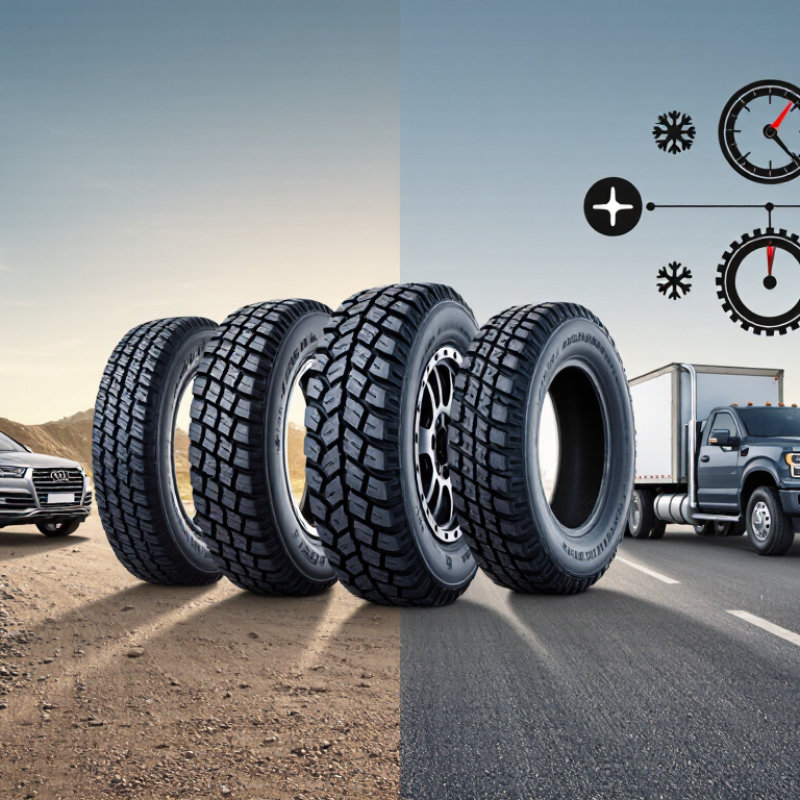
Understanding Premium All-Terrain Tire Standards in 2026
How to Choose Premium All Terrain Tires in 2026?
Understanding Premium All-Terrain Tire Standards in 2026
Premium all-terrain tires in 2026 should meet more than an aggressive appearance. Check certified load ratings, speed ratings, wet-grip performance, and severe-snow testing where available. These details show how a tire may behave under heat, rain, gravel, and winter pressure.
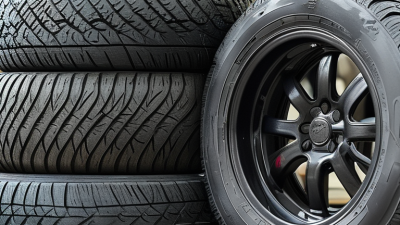
Look closely at the sidewall. A stronger casing can reduce damage from sharp rocks, while flexible rubber may improve comfort on broken pavement. Tread depth matters, but tread spacing matters too. Wider gaps can clear mud, yet they may increase road noise. No tire excels everywhere.
I learned this during a mountain test. A tire that felt stable on loose stone became less precise during sudden rain. That result changed my selection method. I now compare independent test data, warranty terms, manufacturing dates, and pressure recommendations. I also inspect the actual vehicle’s axle load, suspension condition, and usual cargo.
Do not trust labels alone. Testing methods differ by region, and some claims describe laboratory performance rather than daily driving. Look for transparent certification details and measurable results. Premium construction should balance durability, braking, fuel efficiency, and cabin noise. It may cost more initially, but poor matching can wear the tread quickly. Even careful buyers can overlook alignment. That small mistake matters.
Assessing Vehicle Fit, Tire Size, and Load Requirements
How to Choose Premium All Terrain Tires in 2026?
Assessing Vehicle Fit, Tire Size, and Load Requirements
Choosing an all terrain tire starts with the vehicle placard, not an attractive tread pattern. Check the approved size, cold inflation pressure, load index, and speed rating. The Tire and Rim Association Year Book provides standardized size and load tables, but your vehicle manufacturer remains the final authority. A tire can fit the wheel yet still fail the vehicle’s load requirement.
The load index matters when carrying tools, passengers, or camping equipment. Do not confuse maximum tire load with the vehicle’s permitted axle load. NHTSA estimates that tire-related problems contribute to about 11,000 crashes annually in the United States. That figure makes routine checking more than a paperwork exercise. Measure the spare too.
Small details matter.
For example, a wider tire may rub against the suspension at full steering lock. A taller tire can alter speedometer readings and reduce clearance inside the wheel arch. The U.S. Department of Energy reports that fuel economy can fall by about 0.2% for every 1 psi of average underinflation. I would also recheck pressure after fitting, because workshop settings are not always correct for your actual load. One overlooked point remains: aggressive tread cannot compensate for an incorrect size, weak load capacity, or poor vehicle clearance.
Comparing Tread Designs for On-Road and Off-Road Performance
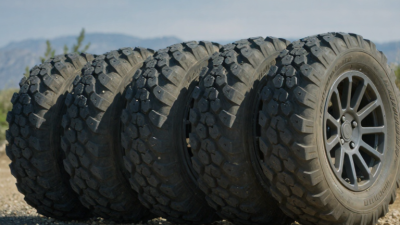
Choosing premium all-terrain tires in 2026 starts with studying the tread, not the sidewall decoration. I inspect block spacing, shoulder shape, and siping before considering price. Dense, closely packed blocks usually feel quieter on highways and grip wet pavement more consistently. Their smaller voids can clog with clay, however, especially after repeated low-speed climbs. A balanced design needs enough empty space to release mud without making the ride nervous.
For daily road use
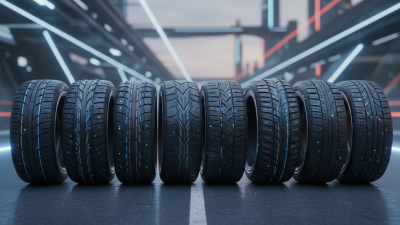
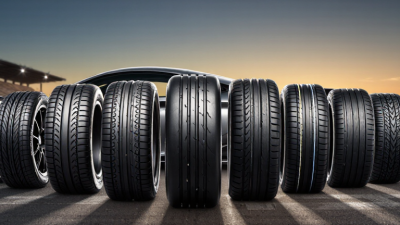
look for continuous center ribs or tightly linked tread blocks. These features improve straight-line stability and reduce steering corrections at 110 km/h. Deep circumferential grooves help move standing water away from the contact patch.
On rocky trails
the priorities change. Larger shoulder lugs can bite into loose edges, while staggered blocks find traction on uneven stone. Reinforced edges also resist cuts, though they may produce more hum and vibration.
I once favored the most aggressive pattern, believing deeper voids guaranteed better off-road control. That assumption was incomplete. On wet asphalt, the tire wandered more than expected, and braking felt less precise. A professional comparison should include the vehicle’s load, alignment, tire pressure, and driving route. Test the same hill after airing down modestly, then restore highway pressure before pavement travel. Check tread wear every few thousand kilometers. Even premium rubber cannot correct poor suspension geometry or careless pressure choices.
Maybe compromise is the honest answer.
Checking Certifications, Warranty Coverage, and Long-Term Value
How to Choose Premium All Terrain Tires in 2026?
A premium all terrain tire should offer more than aggressive tread and a high price. Check its certification markings before purchase. Look for required safety approvals in your driving market, such as recognized road-use markings and verified load ratings. The sidewall should clearly show size, load index, speed rating, and production date. I also check technical documents, not just product descriptions. Online claims can be incomplete.
Warranty coverage often reveals how confidently a manufacturer supports its construction. Read the full policy before paying. Confirm coverage for workmanship, materials, tread life, and road hazards. Some plans exclude punctures, uneven wear, improper inflation, or off-road damage. Keep receipts and service records. Tire rotations and alignment checks may affect eligibility. Ask whether replacement value decreases with mileage. That detail matters.
Tips: Compare the warranty with your real driving conditions. A commuter needs different protection from a driver crossing gravel roads each weekend. Calculate total value using expected mileage, fuel impact, rotation costs, and replacement terms. A slightly cheaper tire may wear faster. That is not always a bargain. Check pressure monthly, especially before carrying heavy loads. Small habits protect long-term performance. I once focused too much on tread appearance. It looked tough, but the warranty language was weak. Certification, maintenance, and support deserve equal attention.
How to Choose Premium All Terrain Tires in 2026? — Checking Certifications, Warranty Coverage, and Long-Term Value
Tire age is an objective part of long-term value. A professional inspection is recommended every year after a tire reaches five years from its manufacture date, while replacement is commonly recommended by ten years regardless of remaining tread. When comparing all-terrain tires, also verify the DOT identification, look for the Three-Peak Mountain Snowflake symbol when severe-snow performance is required, and read the written warranty for mileage limits, exclusions, prorated coverage, and road-hazard terms.