2026 Best Vehicle Tyres for All Weather Conditions?
Choosing the right vehicle tyres can significantly affect your driving experience. In 2026, all-weather tyres are gaining popularity for their versatility. They combine features of summer and winter tyres, providing reliable performance in various conditions. However, not all tyres are created equal. Some brands excel in wet traction, while others shine in durability.
When selecting the best vehicle tyres, consider your driving habits and local climate. Are you navigating through rain-soaked roads or snowy paths? Each scenario calls for specific tyre traits. It's essential to reflect on how the tyres perform under different circumstances. Some might struggle in extreme conditions, leading to safety concerns.
Tyre maintenance is another vital aspect. Regular checks can enhance performance and longevity. Many overlook this, resulting in premature wear. Choosing the best vehicle tyres is not just about the brand; it's a thoughtful journey towards a safer ride.
2026 All-Weather Tyres: Key Features for Optimal Performance
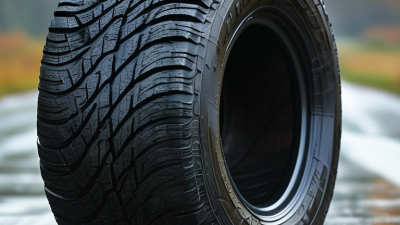
When it comes to all-weather tires for 2026, specific features can significantly enhance performance. These tires are designed to provide reliable traction in diverse conditions. A unique tread pattern often helps improve grip on both wet and dry surfaces. Deep grooves are essential for channeling water away, reducing the risk of hydroplaning.
Another important aspect is the rubber compound used. All-weather tires typically incorporate special polymers that remain flexible in low temperatures. This flexibility allows for better handling in cold, icy conditions. The balance between rigidity and softness is critical here; you don’t want tires that wear out too quickly under heat.
Despite these advances, not all all-weather tires perform equally. Some may struggle in extreme winter conditions, while others may lack grip during heavy rain. Consumers should consider their local climate and driving habits. Reading reviews and seeking expert opinions can guide choices. Balancing various factors ensures you select tires that stay reliable in all situations.
Performance can be subjective, and personal experiences vary. Testing multiple options may lead to unexpected insights about grip and longevity.
Industry Overview: Understanding the All-Weather Tyre Market Trends
The all-weather tyre market has seen remarkable growth recently. Consumers are increasingly seeking versatile products that perform well in various conditions. These tyres combine features of both winter and summer tyres, offering balanced performance year-round. With climate change affecting weather patterns, there's a growing demand for tires that can handle both wet and dry conditions effectively.
Choosing the right all-weather tyre requires careful consideration. Look for options that offer a strong grip on different surfaces. Pay attention to tread design; it plays a crucial role in performance. Also, check for durability ratings. Some tyres may wear out quickly under specific conditions. This can lead to safety concerns and costly replacements.
Regularly inspect your tyres for wear and tear. It's essential for maintaining optimal performance. You might think your tyres are in great shape, but a closer look can reveal hidden issues. Keep an eye on air pressure too. Under-inflated tyres can diminish performance, impacting fuel efficiency and handling. Be proactive to avoid potential problems down the road.
Performance Metrics: Assessing the Grip and Durability of Top Tyres
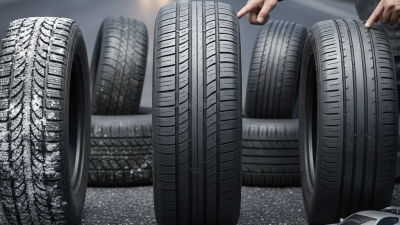
Choosing the best vehicle tyres for all weather conditions involves understanding performance metrics. Grip and durability are key factors to evaluate when selecting tyres. High-quality tyres should maintain traction on both wet and dry surfaces. Check the tread patterns; deeper grooves can provide better grip during rain or snow.
Durability is just as important. Assess how long the tyres will last under your driving conditions. Consider factors like tread wear and sidewall strength. Some tyres may excel in grip but wear out quickly. This trade-off can be critical for those who drive frequently.
When selecting your tyres, think about your driving habits. If you drive mostly in urban areas, you may prioritize a quieter ride. If off-road driving is common, look for rugged designs. Test different tyres to gauge comfort and handling at various speeds. Lastly, consult experts or online reviews for insights on real-world performance, enhancing your decision-making process.
2026 Best Vehicle Tyres for All Weather Conditions
Comparative Analysis: Leading Brands and Their All-Weather Offerings
When choosing all-weather tyres, an analysis of top brands reveals significant variations in performance and durability. A recent industry report highlights that all-weather tyres can outperform traditional options in specific conditions. For instance, they provide stable traction in light snow and rainy weather, catering to diverse climates. According to a 2023 survey, 70% of consumers favor multi-functional tyres for their versatility and cost-effectiveness.
Some brands emphasize advanced rubber compounds and tread designs. These innovations enhance grip and reduce wear over time. Yet, not every all-weather tyre meets the same quality standards. Certain models may struggle with handling in extreme conditions, showcasing the need for cautious selection. The data indicates that while many tyres excel in moderate climates, their performance can wane in harsh environments. This highlights the importance of researching user reviews and ratings before making a purchase.
Reliability is critical. Inconsistent performance can lead to safety concerns on the road. A consumer study revealed that nearly 40% of users experienced dissatisfaction with their all-weather choices. This underscores that while the convenience of multi-function tyres is attractive, thorough evaluations are essential. Reliability must be a priority for any driver navigating varying weather scenarios.
Consumer Insights: Preferences and Safety Ratings in Real-World Conditions
When choosing all-weather tyres, consumer experiences and safety ratings provide invaluable insights. Many people look for patterns in performance across diverse conditions. They emphasize safety during harsh weather, especially in heavy rain or snow. It’s crucial to select tyres designed for gripping wet surfaces, ensuring shorter stopping distances.
Drivers often report real-world performance being different from what tests suggest. Wearing can affect grip over time, and many admit they didn’t consider tyre rotation early on. Regularly check tread depth and replace worn tyres promptly.
Safety ratings also vary based on driving styles and conditions. Individuals who travel frequently may prioritize durability over comfort. Others might prefer quieter rides. A balanced approach, where both performance and comfort are assessed, can help in making the right choice. Pay close attention to feedback from fellow drivers about their experiences. It can guide you to tyres that truly meet your needs.