
Skip to content

Top 10 Vintage Tourist Cars for Sale Worldwide?

A Vintage Tourist Car is more than an attractive shape beside a country road. It is a machine expected to carry its passengers through real journeys, with period character and practical limits. In this guide, “tourist car” means a vintage automobile suited to touring, not a modern racing category. The ten cars featured here are starting points for comparison, not a promise that every example is ready for the road.

Automotive appraiser Donald Osborne offers a useful perspective for buyers. His appraisal-minded advice can be paraphrased simply: judge a car by its condition and evidence, not nostalgia alone. That distinction matters. A polished bonnet may hide worn upholstery, tired brakes, or incomplete records. Look closely at chassis numbers, restoration photographs, service receipts, and the fit of doors and panels. Small details tell a larger story.

The right choice depends on how you plan to travel. A pre-war tourer may reward patient driving, while a later classic can offer more comfort on longer routes. Parts availability, specialist support, seating space, and local roadworthiness requirements also deserve attention. A test drive should reveal more than engine sound; note steering feel, braking response, heat, and vibration. Paperwork matters. So does patience. The cars in this worldwide selection span different eras, body styles, and price expectations. Use the list to discover candidates, then verify each car’s history and condition independently. Vintage motoring is romantic, but the best journeys begin with clear eyes.
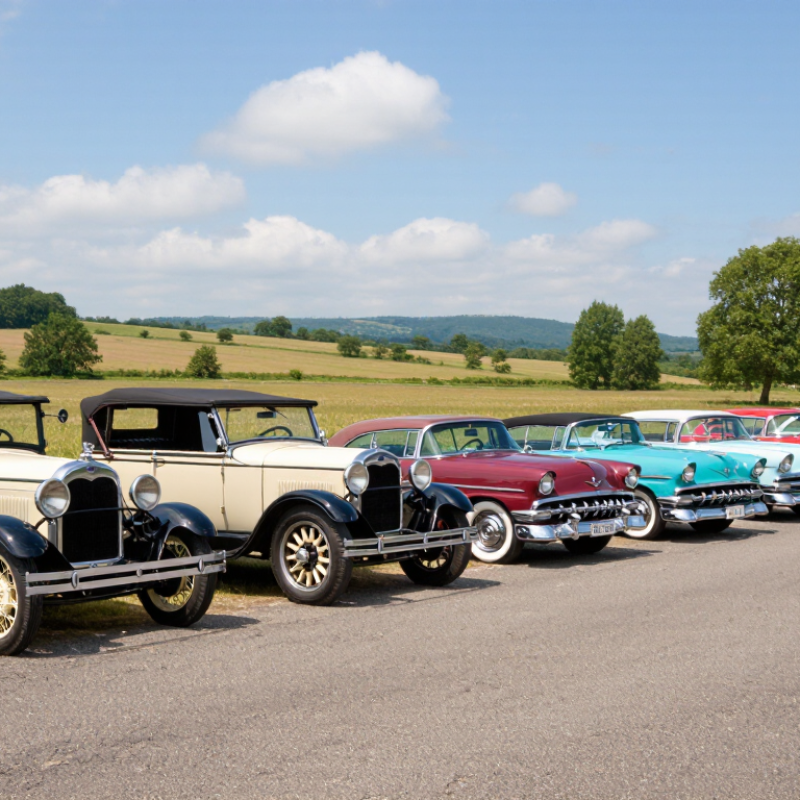
Top 10 Vintage Tourist Cars for Sale Worldwide?

Defining Vintage Tourist Cars with Hagerty Valuation and Production Data

“Vintage tourist car” needs a clear working definition before prices or production figures can be compared. Here, it means an older passenger car designed for comfortable road travel, with practical seating, usable luggage space, and enough weather protection for longer journeys. The label is not a formal class, so a car’s age alone does not qualify it. Some open two-seaters look inviting in photographs but offer little touring comfort. That distinction matters.

A specialist valuation guide can provide a market reference, but its figures should be treated as estimates, not guaranteed sale prices. Condition, originality, location, and recent demand all affect value. A carefully documented car with sound floors and a tidy interior may differ sharply from one needing hidden repairs. Production data adds useful context: low output can indicate scarcity, while high output may make comparable examples easier to find. Numbers can mislead. Production totals do not show how many cars survive, or how many are suitable for regular touring. Dates and methods also vary between sources, so comparisons need care. I would note those uncertainties beside each listing rather than imply that rarity automatically means quality.

Top 10 Models Ranked by Hagerty Values and Global Auction Results

A credible top-ten ranking of vintage tourist cars should weigh more than headline auction prices. Guide values offer a useful baseline, while completed sales show what buyers actually paid. I would compare both, then adjust for condition, originality, documented history, and sale date.

Markets move. Fast.

The strongest candidates tend to include prewar open tourers, postwar two-seat roadsters, elegant four-seat convertibles, and roomy grand touring cars. Their appeal is easy to picture: folded canvas roofs, narrow windscreens, and enough luggage space for a weekend trip.

Yet “tourist car” can describe very different vehicles, so comparing them directly is imperfect. A restored example may sell far above a tired project, even when both share the same model name.

Auction results also vary by country, currency, and buyer fees. I would therefore present estimated value ranges, cite the number and dates of comparable sales, and mark uncertain rankings clearly. A single record price makes a poor guide. The final order should reward strong market evidence, not just beautiful photographs.

Comparing Asking Prices with Classic.com and Auction-Sale Benchmarks

An asking price is an invitation to negotiate, not proof of market value. For vintage tourist cars, compare each figure with completed auction sales for similar body style, year, and equipment. Classic.com can help surface recorded sales and market context, but listings and records vary in detail. Treat the data as a reference, not a verdict. Condition changes everything.

A car with faded upholstery, cloudy gauges, and old tires may look charming in photos, yet need substantial work. Check whether auction results include buyer fees, reserve status, and restoration records; each can affect the comparison. When matching sales are scarce, widen the date range carefully and note mileage, provenance, and mechanical evidence. Asking prices may sit above likely sale levels for months, especially when sellers price emotion into the metal. That gap matters. A simple table of asking price, sale date, condition notes, and source makes the comparison clearer, though not perfect. Some records remain incomplete.

Touring Suitability: Range, Seating, Parts Supply, and Reliability Evidence

A vintage tourist car should prove its range on the road, not on a seller’s estimate. FIVA’s 2020 global historic-vehicle survey describes historic motoring mainly as leisure use; that evidence cannot establish touring reliability. Measure fuel use over a full tank, then keep a reserve. For example, a 40-litre tank averaging 12 litres per 100 kilometres gives about 333 kilometres on paper. A 25% reserve reduces the planning range to roughly 250 kilometres. Test it. Include slow traffic, hills, and the weight of passengers and luggage. A comfortable rear seat matters less if the car overheats after an hour.

Check whether four adults can sit without knees pressing into the dashboard, and whether luggage fits without blocking the spare wheel. Ask for dated invoices, cold-start videos, and records of cooling-system and brake work. The UK Department for Transport’s MOT testing statistics provide useful age-related roadworthiness data, but a passed inspection does not predict trouble-free touring. Parts supply needs equally specific proof: confirm availability and delivery times for tyres, hoses, ignition components, and brake parts. A seller’s “easy to find” claim is not a supply chain. I would still want a local mechanic’s view; even careful records leave gaps.

Vintage Touring Suitability: 10 Common Car Types

A category-level screening guide for vintage touring—not a ranking of specific cars or current listings.

Scores are qualitative screening ratings from 1 (less favorable) to 5 (more favorable), not measured specifications. Actual range depends on tank size, fuel consumption, and condition; parts availability and reliability vary by model, region, maintenance history, and specialist support. Verify each individual car before purchase.

Buying Worldwide: Provenance, Import Rules, and Pre-Purchase Inspection Data

A vintage touring car can look immaculate in photographs and still carry a complicated history. Ask for ownership records, past registration papers, restoration invoices, and clear chassis-number photographs. Compare dates and numbers across documents. Gaps matter. They do not prove wrongdoing, but they deserve a written explanation before payment.

Import requirements vary by destination and vehicle age. Check current customs, tax, emissions, and road-registration rules with the relevant authorities before arranging shipment. Confirm which original documents are required and whether modifications affect eligibility. Keep written guidance and shipping estimates. Rules can change, and a seller’s assurance is not official confirmation.

For inspection, request a cold-start video, underbody photographs, compression readings, brake measurements, and a list of corrosion repairs. Use an independent specialist near the car, not only the seller’s mechanic. No inspection catches everything. That limitation should be stated in the report.

Tips: Match the chassis number in person. Ask the inspector to photograph the same number beside the car’s location and date. Save reports, invoices, and official import guidance together. A tidy file helps, though it cannot replace careful judgment.