Top 10 Tips for Choosing the Best Van Tyres for Your Vehicle?
Choosing the right van tyres can significantly enhance your vehicle's performance and safety. With numerous options on the market, it can be overwhelming to make a decision. A good set of van tyres impacts fuel efficiency, handling, and comfort. Additionally, the right tyres can prolong the life of your vehicle.
When selecting van tyres, consider your typical driving conditions. Do you often drive in urban areas or off-road? This question matters greatly. Pay attention to the load rating, as it affects how much weight your van can handle. Also, examine factors like tread pattern and weather compatibility. These details can change how well your van performs in various situations.
Your choice of van tyres can reflect on your overall driving experience. Investing in quality is essential, even if it seems tempting to opt for cheaper options. Balance cost and performance carefully to avoid regrets later. Remember, the right tyres are not just a purchase; they are an investment in safety and reliability.

Understanding the Different Types of Van Tyres Available in the Market
When selecting van tyres, understanding the types available is crucial. There are several categories of van tyres designed for specific conditions. For instance, all-season tyres provide a balanced performance in various climates. They suit businesses that require flexibility in changing weather. A recent report showed that over 40% of van owners prefer all-season options for their versatility.
Winter tyres, on the other hand, excel in cold conditions. They feature deeper treads and softer rubber for better grip. According to industry experts, using winter tyres can reduce braking distances by up to 30% on icy roads. Many operators note their superior performance in snow and wet conditions. This can be essential for deliveries in tougher environments.
In contrast, performance tyres are designed for speed and handling, ideal for vans that prioritize agility. These tyres have stiffer sidewalls and increased contact with the road. However, they may wear out more quickly than other types. This trade-off can lead to increased costs over time. Reflecting on your operational needs will help you choose the best type for your vehicle.
Top 10 Tips for Choosing the Best Van Tyres for Your Vehicle
| Tyre Type |
Description |
Best For |
Durability (km) |
Price Range (£) |
| All-Season Tyres |
Versatile tyres suitable for various conditions. |
General use, mild climates. |
40,000 - 60,000 |
£60 - £100 |
| Winter Tyres |
Designed for optimal performance in cold weather. |
Snowy or icy conditions. |
30,000 - 50,000 |
£70 - £120 |
| Summer Tyres |
Provide excellent grip on wet and dry roads. |
Warm weather driving. |
40,000 - 70,000 |
£50 - £90 |
| Van Tyres |
Designed specifically for commercial vans. |
Heavy loads and long-distance travel. |
50,000 - 80,000 |
£80 - £150 |
| Mud and Snow Tyres |
Deep treads for off-road grip. |
Off-road and rugged terrain. |
25,000 - 45,000 |
£75 - £130 |
| Eco Tyres |
Designed for improved fuel efficiency. |
Eco-conscious driving. |
50,000 - 70,000 |
£60 - £110 |
| Performance Tyres |
Enhanced handling and control. |
High-speed driving. |
40,000 - 60,000 |
£90 - £160 |
| Retread Tyres |
Re-manufactured tyres for cost efficiency. |
Budget-conscious buyers. |
30,000 - 50,000 |
£40 - £70 |
| 4x4 Tyres |
For vehicles needing off-road capability. |
Heavy-duty off-road use. |
35,000 - 55,000 |
£85 - £140 |
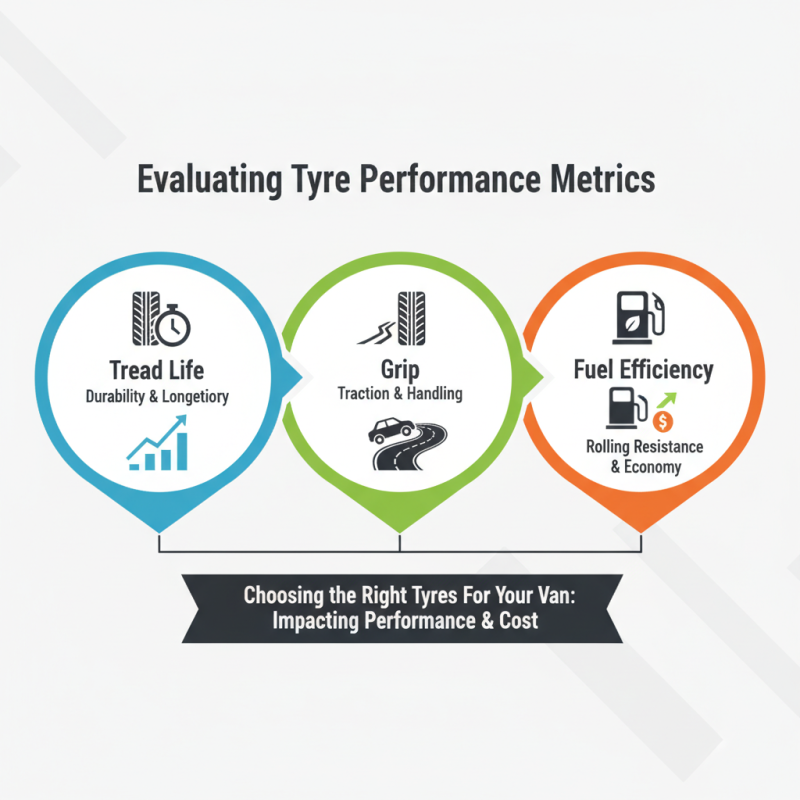
Evaluating Tyre Performance Metrics: Tread Life, Grip, and Fuel Efficiency
Choosing the right tyres for your van can significantly impact performance. Understanding tyre performance metrics is essential. Tread life, grip, and fuel efficiency are critical factors to evaluate.
Tread life indicates how long the tyre will last. A longer tread life means fewer replacements. It’s vital to balance durability with performance. Some tyres may offer durability but compromise on grip. Checking for a suitable tread pattern can also enhance traction while driving.
Grip is essential for safety. Good grip allows for better handling and shorter stopping distances. Consider the regions where you drive most. For wet conditions, tyres with deeper grooves perform better. Fuel efficiency is another aspect not to overlook. Tyres designed for lower rolling resistance can save you money over time. However, they may trade off some grip, especially under heavy loads. Make sure to prioritize which metrics matter most for your driving needs.
Importance of Load Rating and Ply Rating for Van Tyres Selection
When it comes to choosing van tyres, understanding load rating and ply rating is essential. The load rating informs you of the maximum weight a tyre can support. This is critical for vans, which often carry hefty loads. An inadequate load rating can lead to early tyre failure or safety hazards on the road. Selecting tyres with a higher load rating than you expect to carry provides peace of mind and ensures better performance under pressure.
Ply rating, on the other hand, indicates the tyre's construction and strength. A higher ply rating often corresponds to a more durable tyre. However, many buyers overlook this aspect. It’s important not to focus solely on aesthetics or price. Evaluating the ply rating can reveal a lot about the tyre’s long-term performance. A common mistake is underestimating the demands placed on your van. Regularly assess your load needs to choose tyres that match.
Tyres that don’t meet the required ratings can compromise safety and lead to costly replacements. It's wise to consult experts or experienced drivers. They can offer insights based on real-world applications. Always remember, your choice in tyres can greatly influence your vehicle's reliability and efficiency. Reflecting on these factors can lead to better decision-making.
Top 10 Van Tyres - Load Rating and Ply Rating Overview
Assessing Seasonal Requirements: All-Season vs. Winter Tyres for Vans
When selecting tyres for your van, understanding seasonal needs is essential. All-season tyres serve as a versatile option for mild climates. They provide acceptable traction in wet and dry conditions, making them ideal for year-round use. However, they may not perform optimally in extreme weather. If you live in an area with heavy snowfall, this is something to consider.
Winter tyres, on the other hand, are designed for cold weather conditions. Their tread patterns enhance grip on snow and ice, providing better control and safety. The rubber compounds remain flexible even in low temperatures. If your routes frequently involve icy roads, winter tyres are a worthwhile investment. Yet, they wear faster in warmer conditions, which could lead to unnecessary expenses.
It’s essential to evaluate your driving patterns. Do you face harsh winters or mainly moderate conditions? Reflecting on your vehicle's usage can guide your choice between all-season and winter tyres effectively. Both options have their pros and cons, and selecting the right one hinges on your specific needs and local climate.
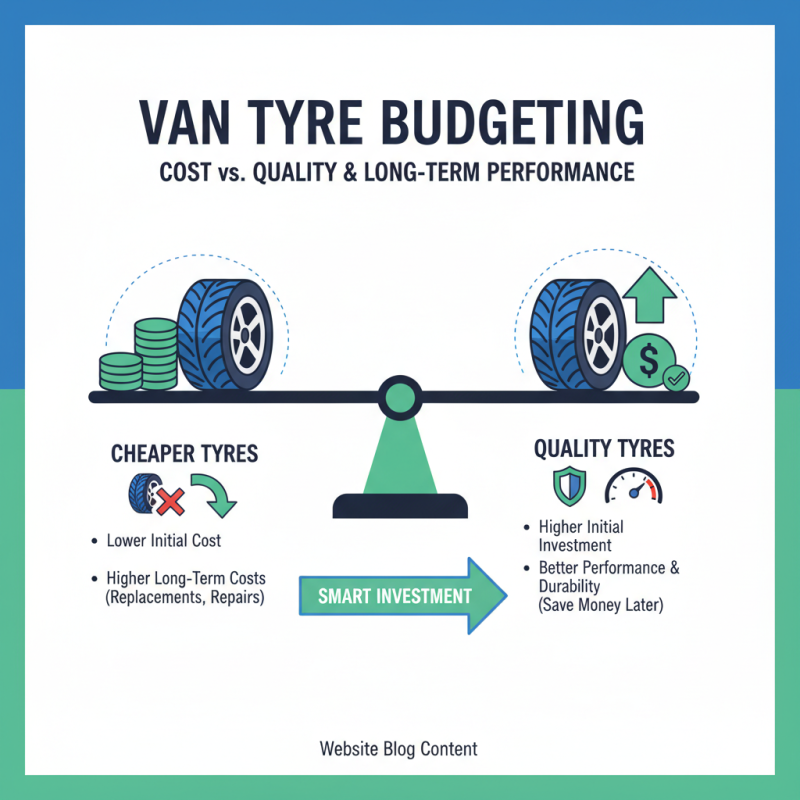
Budgeting for Van Tyres: Cost vs. Quality and Long-Term Performance
When budgeting for van tyres, consider both cost and quality. Cheaper options might seem appealing, but they can lead to higher long-term costs. Investing in quality tyres often means better performance and durability. You may save money on replacements and repairs down the line.
Quality tyres enhance safety and efficiency. They provide better grip in various weather conditions, reducing the risk of accidents. This might seem like an added expense, but it pays off with fewer mishaps and lower fuel bills. However, not all expensive tyres are the best fit for every van. Reflect on your specific needs and usage patterns.
Look for tyre reviews and expert opinions. They can help you navigate the balance between price and performance. Unexpected issues may arise when you least expect them, making research essential. Being mindful of tyre age, wear, and maintenance can help you make a well-rounded decision. It's a process that requires thought and attention to detail.