Top Off Road Tires of 2025: Best Choices for Ultimate Traction
The evolution of off road tires has significantly shaped the experience of off-road enthusiasts and adventurers across the globe. As of 2023, the off road tire market is projected to witness a remarkable growth trajectory, with a notable increase in demand for high-performance tires tailored for extreme conditions. According to a recent industry report, the global off road tire market size was valued at approximately $11 billion in 2022 and is expected to expand at a compound annual growth rate (CAGR) of 6% through 2030. This surge is primarily driven by the rising popularity of recreational off-roading and the increasing number of all-terrain vehicles (ATVs) and utility terrain vehicles (UTVs) on the market.
Choosing the right off road tires is crucial for maximizing traction and ensuring safety on rugged terrains. Factors such as tread design, rubber compounds, and tire construction play a pivotal role in a tire's performance under challenging conditions. In 2025, enthusiasts will find that advancements in tire technology have led to innovative designs aimed at improving grip, durability, and overall handling on varying surfaces. Enhanced features, such as self-cleaning tread patterns and reinforced sidewalls, are expected to provide superior performance for both competitive off-road racing and recreational driving. As we delve into the top off road tire selections for 2025, it's essential to consider these innovations that promise to elevate the driving experience for off-road adventurers.
Understanding Off Road Tires: Key Features and Characteristics
When selecting off-road tires, understanding their key features and characteristics is vital for achieving ultimate traction and performance in rugged terrains. One of the primary factors to consider is tread design. Tires with deep, aggressive treads provide superior grip on loose surfaces like mud, gravel, and sand. According to a recent report by the Specialty Equipment Market Association (SEMA), the right tread pattern can significantly enhance a vehicle's ability to navigate challenging off-road conditions, reducing slip by upwards of 30% compared to smoother designs.
Another important characteristic is the tire's construction material. Off-road tires are typically made from tougher compounds that resist cuts and abrasions encountered in rough environments. A study published in the Journal of Applied Polymer Science highlights that tires incorporating advanced rubber formulations and reinforced sidewalls can maintain structural integrity under extreme conditions, extending the lifespan of the tires by 20% or more compared to standard models. Additionally, tire size plays a critical role; larger tires with higher sidewalls allow for better deflation, providing improved cushioning and traction without sacrificing stability.
Finally, a crucial aspect to consider is the tire's load capacity. Off-road adventures often mean carrying heavy gear, and the appropriate tires should support the vehicle's weight while offering flexibility in varied conditions. The Tire and Rim Association outlines standard load ratings that help consumers choose the right tires matched to their vehicle's specifications, ensuring optimal performance without compromising safety. Understanding these characteristics enables off-road enthusiasts to make informed decisions, leading to a more enjoyable and safer adventure.
Top Off Road Tires of 2025: Best Choices for Ultimate Traction
| Tire Model |
Terrain Type |
Tread Design |
Size Options |
Traction Rating |
| Model A |
Mud & Sand |
Aggressive |
30", 32", 34" |
9/10 |
| Model B |
Rocky & Rough |
Mixed-Use |
31", 33", 35" |
8/10 |
| Model C |
All Terrain |
All-Purpose |
29", 31", 33" |
9.5/10 |
| Model D |
Sand & Dunes |
Wide Lugs |
30", 32", 34" |
10/10 |
| Model E |
Snow & Ice |
Studded |
28", 30", 32" |
9/10 |
Top Off Road Tire Brands of 2025: A Comprehensive Overview
When choosing off-road tires, it's essential to consider various brands that excel in performance, durability, and traction. A comprehensive overview of leading tire manufacturers reveals that many prioritize innovative technology and rugged design to meet the demands of extreme terrains. Factors such as tread patterns, rubber compounds, and tire construction play crucial roles in delivering optimal grip and stability, making it easier to navigate the challenges of off-road environments.
Tips: When selecting tires, be sure to assess the specific conditions you’ll encounter, whether it's mud, snow, or rocky pathways. Matching your tires to the terrain will significantly enhance their effectiveness and your vehicle's performance. Additionally, always check reviews and user feedback on various models, as practical experience often highlights strengths and weaknesses that technical specs might miss.
Furthermore, consider the support services offered by tire manufacturers, such as warranties and customer service options. A reputable brand will not only focus on the quality of its tires but also on providing comprehensive support to ensure that you have a positive off-roading experience. Your choice in brand can make a difference in your overall satisfaction and performance on challenging trails.
Performance Metrics: Traction, Durability, and Adaptability Factors
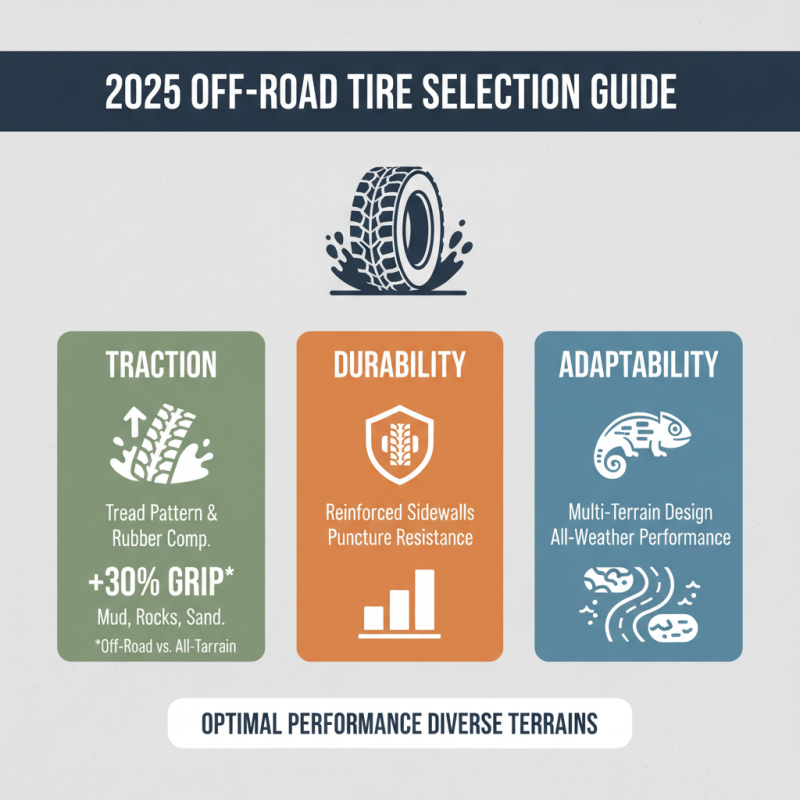
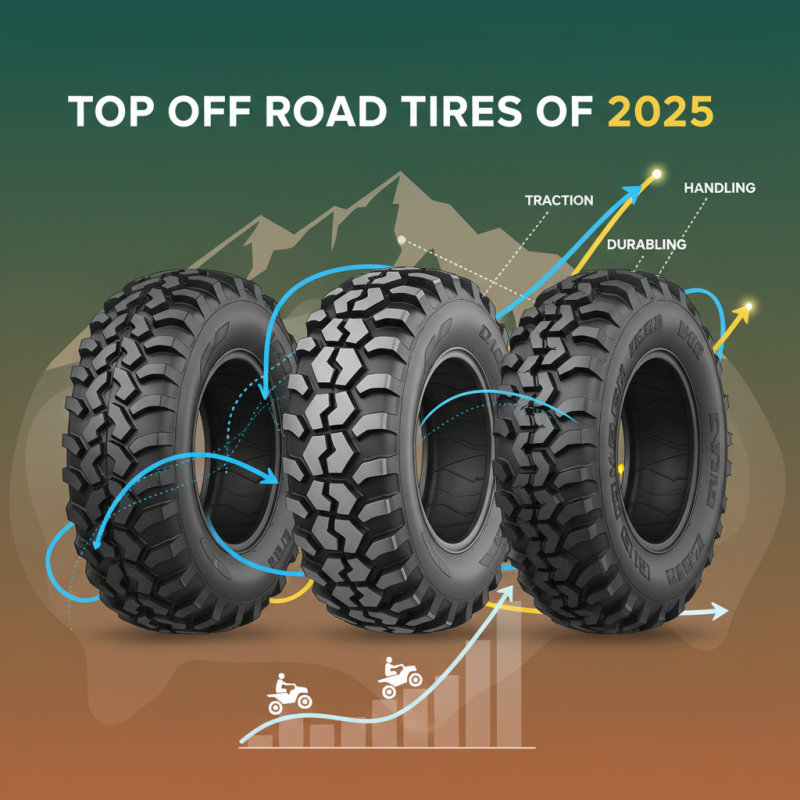
When selecting off-road tires for 2025, understanding performance metrics such as traction, durability, and adaptability is crucial for achieving optimal performance in diverse terrains. Traction is predominantly influenced by the tire's tread pattern and rubber composition. According to a recent study by the Tire Performance Institute, tires specifically designed for off-road conditions can enhance traction by up to 30% compared to regular all-terrain options. This is particularly significant when tackling muddy, rocky, or sandy surfaces, where enhanced grip is necessary to prevent slippage and ensure safe handling.
Durability is another essential factor to consider. Off-road tires are subject to harsh conditions that can quickly wear down typical tires. Research conducted by the Off-Road Tire Engineering Board shows that high-quality off-road tires can deliver up to 50% more resistance against punctures and abrasions, significantly extending their lifespan. This durability is attributed to advanced manufacturing techniques and high-grade materials that resist tearing and degradation in rugged environments.
Furthermore, adaptability is vital for tires that will encounter varied terrains. Adaptive tread designs, which allow for self-cleaning and better performance across different conditions, have gained traction in recent innovations. The Tire Technology Association reports that adaptive tires can perform effectively on dry rock, loose gravel, and wet mud, providing drivers with the confidence to switch terrains without requiring different sets of tires. As off-road driving continues to evolve, focusing on these performance metrics will empower enthusiasts to make informed choices for their off-road adventures.
Choosing the Right Off Road Tire for Your Vehicle and Terrain
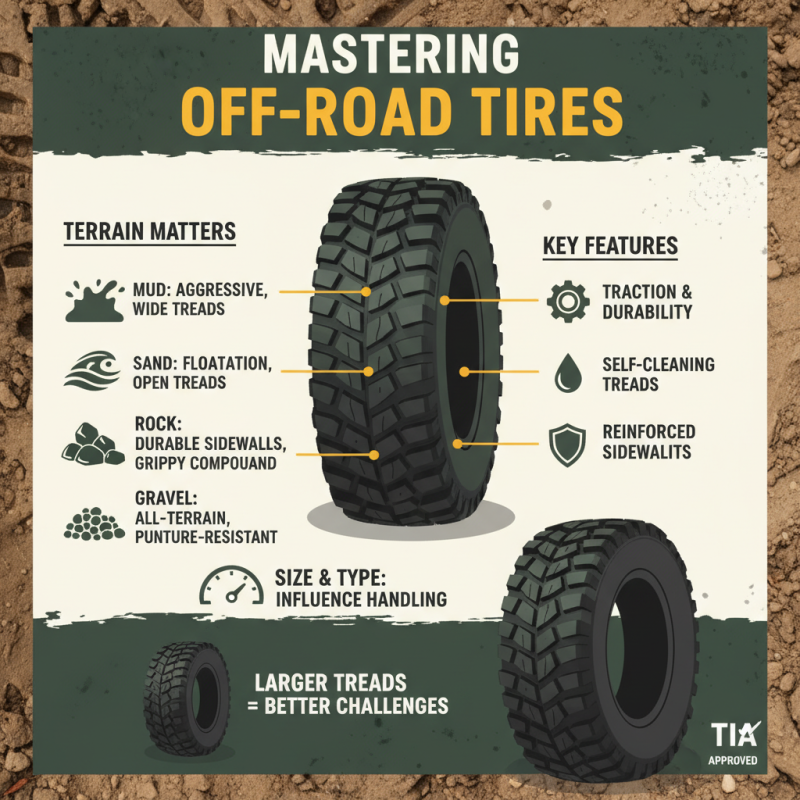
Choosing the right off-road tire is crucial for ensuring optimal performance across varying terrains and enhancing your vehicle's capability. Different terrains—such as mud, sand, gravel, or rock—demand specific tire features, including tread pattern, rubber compound, and sidewall strength. According to the Tire Industry Association (TIA), a suitable off-road tire should provide excellent traction and durability while also being able to self-cleaning to avoid mud buildup. Additionally, tire size and type significantly influence handling and ride quality, with larger, more aggressive treads often performing better in challenging conditions.
Research from the Specialty Tire & Rubber Association indicates that off-road tires with deeper treads (generally between 15/32 to 20/32 inches) can better navigate rocky surfaces and loose terrain compared to those with shallower treads. Moreover, the right construction type, whether radial or bias-ply, can impact performance. Radial tires tend to offer a smoother ride and improved fuel efficiency, making them ideal for mixed use, while bias-ply tires may provide added strength for extreme off-road adventures. Overall, understanding the characteristics of different tire models—aligned with your driving habits and the specific environments you encounter—ensures your off-road experiences are both safe and exhilarating.
Future Trends in Off Road Tire Technology and Innovations
The future of off-road tire technology is poised for remarkable advancements, driven by innovations in materials and design. One of the key trends is the development of ultra-lightweight compounds that enhance traction without compromising durability. These new materials not only reduce overall vehicle weight, improving fuel efficiency, but also provide better grip on various terrains, including mud, sand, and rocky surfaces. Advanced tread patterns are being engineered using data analytics and artificial intelligence, allowing for optimized designs that cater to specific off-road conditions.
Another exciting area of innovation is the integration of smart technology into tire systems. Sensors embedded within the tires can monitor pressure, temperature, and wear in real-time, providing drivers with critical information to prevent issues before they arise. This technology not only enhances safety but also allows for more efficient off-road navigation as drivers can adjust their performance based on instantaneous feedback.
Additionally, eco-friendly initiatives are gaining ground with the development of recyclable materials and sustainable manufacturing processes, indicating a shift towards environmentally conscious off-road exploration. As these trends evolve, the off-road tire market will continue to push the boundaries of performance and sustainability, catering to the needs of adventure enthusiasts.