Top 5 Gooseneck Trailer Benefits You Need to Know?
In the ever-evolving world of transportation, the "Gooseneck Trailer" stands out for its versatility and efficiency. According to the National Trailer Dealers Association, the demand for gooseneck trailers has increased by over 25% in the last three years. Industry expert, John Hartfield, states, "Gooseneck trailers provide unmatched stability and are perfect for heavy-duty loads." This insight highlights their critical role in logistics and transportation.
The advantages of gooseneck trailers are not just limited to heavy hauling. They allow for enhanced maneuverability, making them ideal for tight locations. The increase in payload capacity can significantly boost productivity on job sites. However, some users still overlook safety practices while handling these trailers, which can lead to accidents.
Investing in a gooseneck trailer comes with its own challenges. Maintenance and proper usage are vital for maximizing benefits. As with any equipment, a lack of understanding may lead to missed opportunities for efficiency. Choosing the right gooseneck trailer is crucial, but it requires careful consideration of both benefits and potential pitfalls.
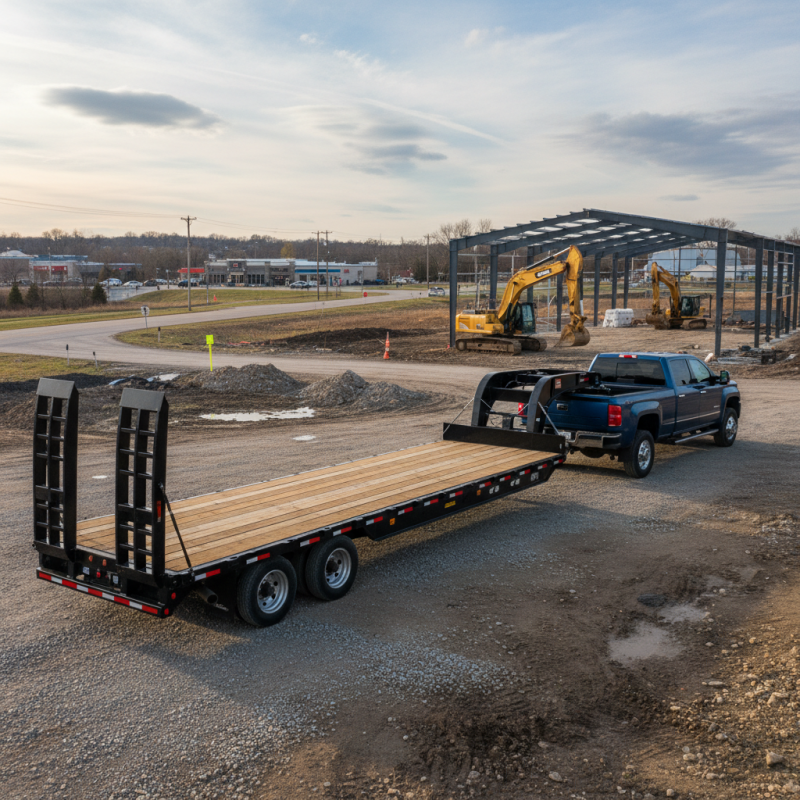
Benefits of Gooseneck Trailers in Heavy Hauling Applications
Gooseneck trailers are widely used for heavy hauling applications. Their unique design provides significant advantages. One major benefit is better stability when towing. The coupling point is positioned over the truck's rear axle. This lowers the center of gravity, enhancing balance. As a result, these trailers reduce swaying during transport. Drivers often feel more secure on the road.
Another key benefit is increased weight capacity. Gooseneck trailers can typically handle heavier loads than bumper pull trailers. With a strong frame and reinforced structure, they safely transport equipment and large cargo. Many people appreciate this feature when moving construction materials or livestock. However, users must also consider the weight limits to avoid overloading.
Flexibility in usage is another positive aspect. Gooseneck trailers come in various sizes and configurations. Some are designed for specific tasks like hauling machinery, while others suit general-purpose use. This versatility can lead to better investment value over time. Still, the selection process can be overwhelming. Buyers need to analyze their needs carefully before making a choice. Balancing functionality and practicality requires thoughtful consideration.
Enhanced Stability: A Look at Load Distribution and Safety Factors
Gooseneck trailers are known for their enhanced stability, especially during transport. A key factor is their unique load distribution. The design allows for better weight balance over the towing vehicle. This reduces swaying, which can be a major issue with standard trailers. A stable load means a safer driving experience.
The connection point of a gooseneck trailer sits over the truck's rear axle. This is essential for load distribution. It minimizes the chance of the trailer fishtailing. However, inexperienced users might struggle with hitching or unhooking. Misalignment can lead to stressful situations. Proper setup and adjustment are crucial for safety.
While gooseneck trailers excel in stability, they require careful handling. Drivers must adjust their driving styles. Turns need to be taken slowly. Parking can also be tricky in tight spaces. These factors demand attention and practice. Awareness of limits is important. Understanding how the trailer interacts with the vehicle can make a big difference.
Increased Towing Capacity: Comparing Gooseneck vs. Bumper Pull Trailers
When it comes to towing, gooseneck trailers often outperform bumper pull trailers. Their design allows for a greater towing capacity, making them ideal for heavy loads. On average, gooseneck trailers can handle up to 30,000 pounds, while bumper pull models typically max out around 10,000 to 15,000 pounds. This significant difference positions gooseneck trailers as the preferred choice for commercial and agricultural use.
The pivot point of a gooseneck trailer is located over the truck's rear axle. This enhances stability and control during towing. The lower center of gravity reduces sway. Studies show vehicles experience less strain when towing with a gooseneck setup. Additionally, heavy-duty trucks equipped with gooseneck hitches often report smoother rides compared to their bumper pull counterparts.
Tips: Ensure your truck is rated for the load you intend to carry. Check your towing setup frequently to prevent accidents. This routine can save time and money. If you're new to towing, seek advice from experienced operators. Avoid overloading your trailer; it can lead to safety issues.
Versatility in Applications: Construction, Agriculture, and Beyond
Gooseneck trailers offer unmatched versatility. They are widely used in construction and agricultural sectors. Various reports indicate that around 30% of all trailers sold in the U.S. are gooseneck models. This popularity stems from their ability to transport heavy loads efficiently.
In construction, these trailers adapt well to hauling equipment and materials. A gooseneck trailer can handle loads exceeding 20,000 pounds. This capacity is crucial for moving forklifts, bulldozers, and other large machinery. In agricultural settings, these trailers facilitate the transportation of livestock and large bales of hay. Reports show that farmers prefer gooseneck trailers for their stability and ease of use.
However, not all applications are ideal. Gooseneck trailers require specific hitch configurations. This can limit compatibility with some vehicles, posing a challenge for operators. Ensuring proper weight distribution is essential too. Overloading or misuse can lead to accidents, highlighting the need for responsible handling. Understanding these aspects is vital for maximizing benefits.
Top 5 Gooseneck Trailer Benefits You Need to Know
| Benefit | Description | Applications |
| Increased Stability | Gooseneck trailers provide superior weight distribution, reducing sway and increasing safety. | Construction, Heavy Equipment Transport |
| Higher Weight Capacity | Designed to carry heavier loads compared to standard trailers. | Agriculture, Logging |
| Versatile Configuration | Can be used for various purposes, accommodating different types of cargo. | Landscaping, Furniture Moving |
| Easier Loading | Designed to easily load and unload heavy equipment and cargo with ramps and lower deck height. | Construction, Site Development |
| Improved Maneuverability | The gooseneck hitch allows for sharper turns and better navigation in tight spaces. | Agricultural Fields, Urban Areas |
Cost-Effectiveness: Long-Term Savings and Durability Insights
Gooseneck trailers are known for their cost-effectiveness and durability. According to industry studies, these trailers often offer a longer lifespan than traditional hitch types. Many reports indicate that businesses save up to 20% on maintenance costs over time. This makes them an attractive choice for many users.
The construction of gooseneck trailers typically uses stronger materials. This results in a robust design that can withstand demanding transport needs. Research shows that they have increased weight-bearing capacities, allowing for larger and heavier loads. This reduces the need for additional trips, saving fuel costs. However, you must consider your specific needs before making a purchase.
**Tip:** Always calculate the total cost of ownership. Include factors like fuel, repairs, and depreciation. Look at the long-term benefits instead of just initial costs.
Increased durability means fewer replacements. Some users, however, might underestimate wear and tear. You should routinely inspect critical parts to ensure continued performance.
**Tip:** Keep records of maintenance checks. They help track durability and find issues early. Regular evaluations lead to better savings down the road.
Cost-Effectiveness of Gooseneck Trailers
This chart illustrates the long-term savings and durability of gooseneck trailers compared to traditional trailers over a period of five years. The key financial benefits include lower maintenance costs, higher resale value, and better fuel efficiency.