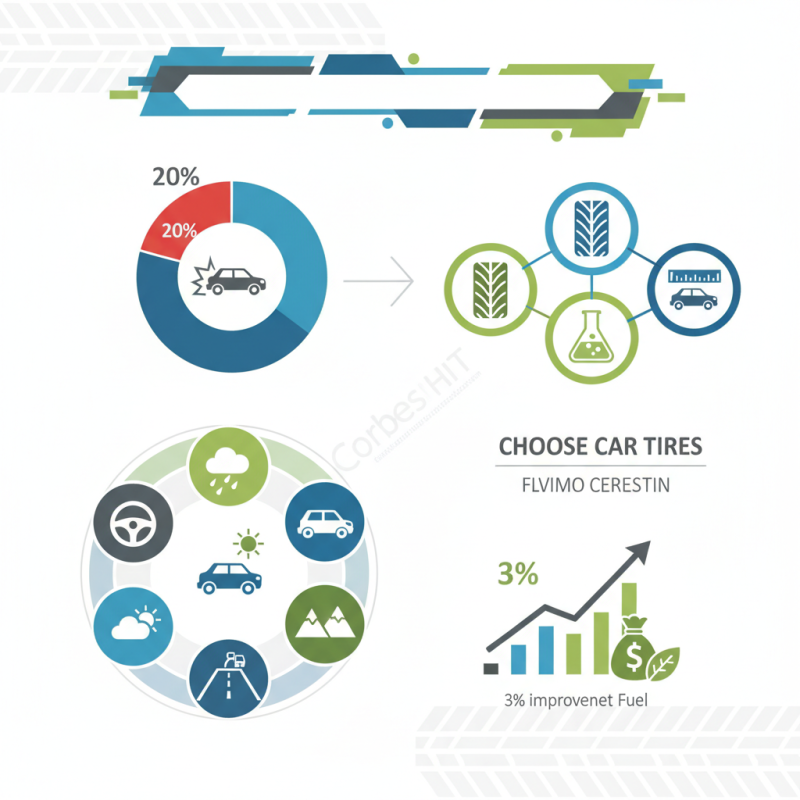
Choosing the right car tyres is crucial for ensuring safety, performance, and longevity in your vehicle. According to a report by the Tire Industry Association, nearly 20% of vehicle crashes are attributed to inappropriate tyre selection and maintenance. This highlights the importance of understanding the critical factors that influence tyre performance, including tread pattern, rubber composition, and suitable size for your vehicle. Moreover, with the global automotive tyre market projected to reach approximately $202.6 billion by 2025, consumers are faced with an overwhelming array of options each boasting various features aimed at enhancing driving comfort and safety.
In light of this information, it is essential for vehicle owners to be well-informed before making a decision on car tyres. Properly selected tyres can improve fuel efficiency by up to 3%, contributing to lower overall running costs and better environmental performance. As drivers weigh their options, they should take into account not only their individual driving habits but also regional weather conditions, vehicle type, and typical road surfaces. By following best practices in tyre selection, car owners can enhance their vehicle's performance while ensuring a safer driving experience.
Choosing the right tyres for your vehicle is crucial for several reasons. Firstly, tyres are the only point of contact between your car and the road. If they are not suitable for your vehicle, it can severely affect your handling, braking, and overall safety.
Tyres that match your vehicle's specifications can enhance performance, improving fuel efficiency and ensuring a smoother ride. Understanding the recommended tyre size and type for your vehicle can help in maintaining optimal driving dynamics and safety.
Moreover, different tyres are designed for specific driving conditions. If you frequently drive in wet or snowy environments, selecting tyres that offer superior grip and traction is essential. On the other hand, if you are often on dry roads, tyres that enhance fuel efficiency or provide a quiet ride may be more appealing.
Ultimately, understanding the significance of tyre selection extends beyond mere aesthetics. It plays a vital role in ensuring your vehicle operates safely and efficiently, leading to a better driving experience and potentially prolonging the life of your vehicle overall.
Therefore, careful consideration of your driving habits, vehicle type, and local climate can make a significant difference in the quality and safety of your journeys.
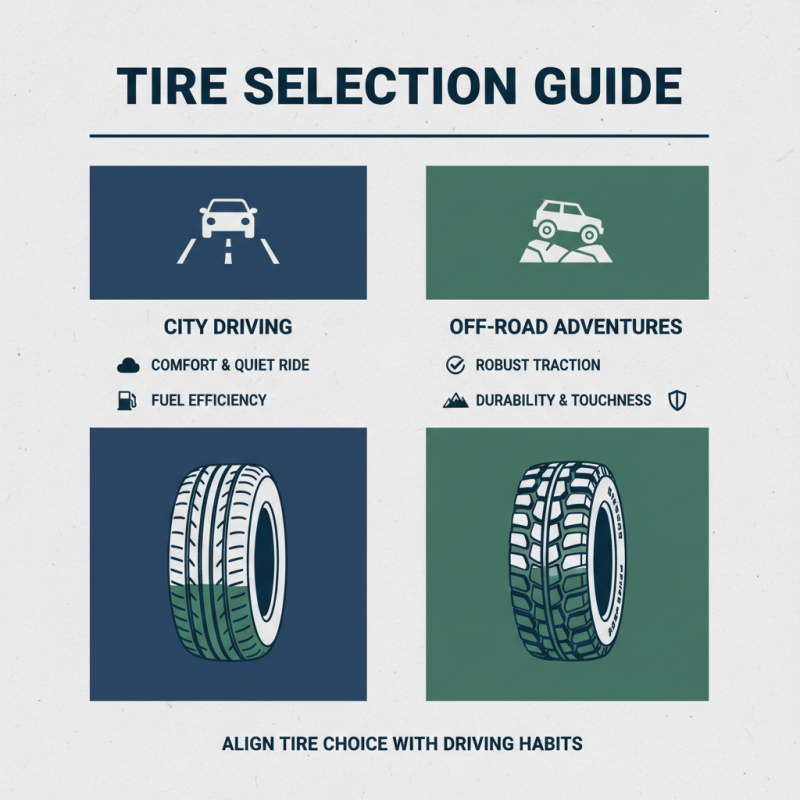
When selecting the best tyres for your vehicle, several factors come into play that can significantly impact your driving experience. Firstly, consider the type of driving you do most frequently. If you primarily navigate city streets, you might opt for tyres designed for comfort and fuel efficiency. Conversely, for off-road adventures, choose robust tyres that can handle rough terrain. It's essential to align your tyre choice with your driving habits to ensure optimal performance and safety.
Another crucial aspect is the size of the tyres. Always refer to your vehicle's owner manual or the placard on the driver’s side door for the manufacturer's recommended tyre size. Selecting the correct size ensures proper fitment, which affects the vehicle’s handling, fuel consumption, and overall comfort.
Finally, don't overlook the tread pattern. The right tread can enhance grip and traction in various weather conditions. For example, all-season tyres are versatile but may not perform as well in extreme weather compared to dedicated summer or winter tyres. Therefore, evaluate the local climate and choose a tyre with a tread pattern that suits your environment for the best performance and safety on the road.
When selecting the best tyres for your vehicle, it's essential to understand the different types available and their specific applications. One common type is all-season tyres, which are designed to provide adequate performance in a variety of conditions, including dry, wet, and light snow. They offer a balanced solution for everyday driving, making them a popular choice for urban commuters. However, they may not perform as effectively in extreme weather conditions compared to specialised tyres.
On the other hand, summer tyres are engineered for optimal performance in warm weather. They feature a tread design that enhances grip on both wet and dry roads, delivering better handling and shorter braking distances. Conversely, winter tyres are constructed with softer rubber compounds and deeper treads to handle icy and snowy conditions. These tyres remain flexible in low temperatures, providing improved traction and stability. Understanding these distinctions allows you to select tyres that meet your driving needs, ensuring safety and performance on the road.
| Tyre Type | Best For | Key Features | Pros | Cons |
|---|---|---|---|---|
| All-Season Tyres | General use, mild climates | Versatile, decent traction, good wear | Year-round usability, comfort | Limited snow and ice performance |
| Summer Tyres | Warmer climates | Optimized tread patterns, better grip | Improved handling and performance | Not suitable for cold or wet conditions |
| Winter Tyres | Cold weather, snow, ice | Specialized tread designs, softer rubber | Excellent snow and ice traction | Wear quickly in warmer temperatures |
| Performance Tyres | Sports cars, high-speed driving | Enhanced grip, responsive handling | Superior handling in dry conditions | Less comfort, shorter lifespan |
| Mud-Terrain Tyres | Off-road vehicles | Deep treads, aggressive patterns | Excellent off-road traction | Noisy and poor on-road handling |
| All-Terrain Tyres | Mixed use vehicles | Versatile design, good balance | Good for both on and off-road | May compromise on performance |
| Eco-Friendly Tyres | Environmentally conscious drivers | Sustainable materials, low rolling resistance | Reduced fuel consumption | Still evolving in performance |
| Run-Flat Tyres | Vehicles requiring extra safety | Reinforced sidewalls, can run flat | Increased safety, no need for immediate change | Rough ride, limited availability |
| Touring Tyres | Long-distance travel | Comfortable, quiet, durable | Better comfort for long drives | May sacrifice performance |
When it comes to choosing the best car tyres for your vehicle, understanding how tyre size affects performance and safety is crucial. The size of your tyres influences not only the grip and handling of your vehicle but also its fuel efficiency and comfort. Wider tyres often provide better traction, particularly in wet conditions, as they have a larger contact patch with the road. However, it's important to ensure that the width aligns with the manufacturer's specifications to maintain optimal handling.
When selecting tyres, consider the aspect ratio, which indicates the height of the tyre sidewall relative to its width. A lower aspect ratio typically results in better stability and responsiveness but may sacrifice comfort due to a firmer ride. Conversely, a higher aspect ratio can enhance comfort by absorbing bumps more effectively, which is especially beneficial for long drives on uneven surfaces.
Before making a final decision, remember to review your vehicle's manual for recommended sizes and specifications. Additionally, consult with a tyre specialist who can provide insights based on your driving habits and the environments in which you frequently drive. By taking these factors into account, you'll ensure that your new tyres not only fit perfectly but also enhance your vehicle's overall performance and safety.
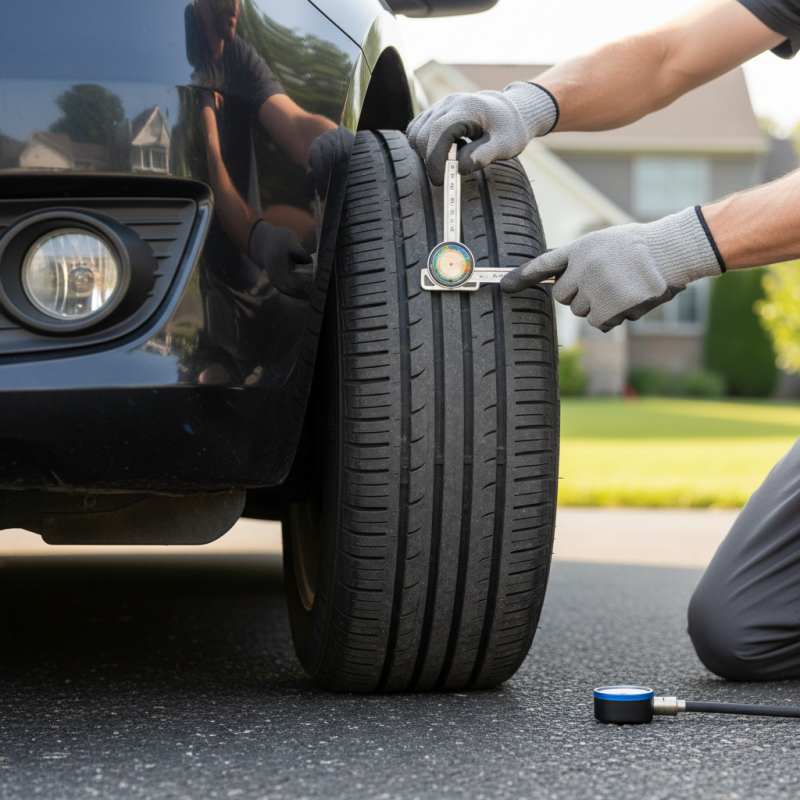
Proper maintenance of your car tyres is crucial for extending their lifespan and ensuring optimal performance. One of the most effective ways to maintain your tyres is through regular inspections. Check the tread depth to ensure adequate grip on the road; using a tread depth gauge can provide an accurate measurement. Additionally, look for any signs of uneven wear, which could indicate misalignment or improper inflation. Keeping a close eye on the condition of your tyres can help you spot potential issues before they become serious.
Another essential aspect of tyre maintenance is maintaining the correct tyre pressure. Under-inflated tyres can lead to increased wear and decreased fuel efficiency, while over-inflated tyres may affect handling and ride comfort. It’s advisable to check tyre pressure at least once a month, and always before long trips. Rotation of your tyres is also important; it helps to distribute wear more evenly, extending the life of all four tyres. Regularly balancing your tyres can also contribute to better performance and longevity, ensuring a smooth and safe ride.