Top Tips for Car Wheel Balancing for Global Buyers
In the realm of automotive maintenance, car wheel balancing is essential for optimal performance. Proper balance enhances safety, increases tire life, and improves fuel efficiency. When wheels are unbalanced, it can lead to unnecessary vibrations. This not only affects comfort but also raises the risk of premature wear on components.
Many global buyers may overlook this crucial task. Neglecting car wheel balancing could result in escalating repair costs down the line. It’s vital to understand the signs of imbalance: irregular tire wear, steering wheel vibrations, and pulling to one side. These issues should not be ignored, as they can indicate needing immediate attention.
Understanding the nuances of car wheel balancing involves experience and expertise. Buyers must consider the weight distribution of their vehicle and how it affects performance. As global buyers, it's imperative to prioritize knowledge in car wheel balancing for better vehicle longevity and safety. The balancing process may seem straightforward, but it often requires professional insight to achieve perfection. Making informed choices can profoundly impact driving experience and vehicle health.

Understanding the Importance of Wheel Balancing in Vehicle Performance
Proper wheel balancing is crucial for optimal vehicle performance. When wheels are correctly balanced, they rotate evenly, ensuring smooth driving. This reduces vibrations that can lead to discomfort and fatigue on long trips. Drivers often overlook this aspect, leading to uneven tire wear and decreased handling.
Unbalanced wheels can affect fuel efficiency. A vehicle that struggles to maintain stability uses more energy, which translates to higher fuel costs. Additionally, vibrations from unbalanced wheels can impact suspension components over time, causing costly repairs. Regular balancing can prevent these issues and enhance your driving experience.
Many drivers may not recognize signs of imbalance. A shaking steering wheel or uneven tire wear are often dismissed. It’s essential not to ignore these warning signs. Making a habit of having wheels balanced regularly can save money and improve safety. A balanced wheel contributes significantly to a comfortable and efficient ride.
Top Tips for Car Wheel Balancing
Common Signs Your Car Needs Wheel Balancing: Don't Ignore These Red Flags
When driving, be aware of your car’s performance. One common sign that your vehicle needs wheel balancing is vibration in the steering wheel. If you notice it shaking, especially at higher speeds, pay attention. This can lead to uneven tire wear and affect the handling of your car.
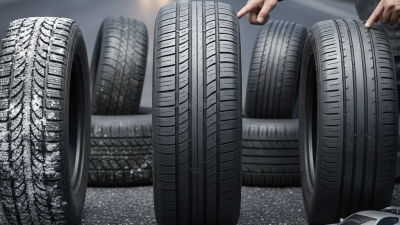
Another red flag is unusual tire wear patterns. Check your tires regularly. If they are wearing unevenly—one side more than the other—this could indicate a balance issue. Ignoring these signs can lead to costly repairs down the road.
Tip: Regular inspections help catch balancing issues early. Examine your tires during oil changes. If you feel uncertain, consult a professional. They can provide insight based on experience and knowledge.
Also, listen for strange noises when driving. If your vehicle makes a thumping or bumping sound, it’s time to investigate. This may also indicate that your wheels are out of balance. Addressing these issues promptly is crucial for your safety.
The Impact of Improper Wheel Balance on Tire Wear and Fuel Efficiency
Improper wheel balance can lead to uneven tire wear. When wheels are out of balance, they do not spin evenly. This causes some parts of the tire to wear down faster than others. According to industry research, tires that are not balanced can wear 10% to 30% faster. This premature wear not only affects the lifespan of your tires, but also increases replacement costs.
Additionally, unbalanced wheels can reduce fuel efficiency. Cars with poor wheel balance require more power to maintain speed. The American Automobile Association (AAA) states that misaligned or unbalanced wheels can decrease fuel efficiency by up to 5%. This may seem small, but over time, it adds up. Therefore, ensuring optimal wheel balance is crucial for both cost savings and environmental reasons.
Many drivers overlook this important aspect of vehicle maintenance. Signs of improper balance include vibrations and steering issues. Regular inspection and balancing of your wheels can mitigate these problems. Keeping your tires in check will enhance safety and performance while saving money in the long run.
Professional vs. DIY Wheel Balancing: Weighing Your Options
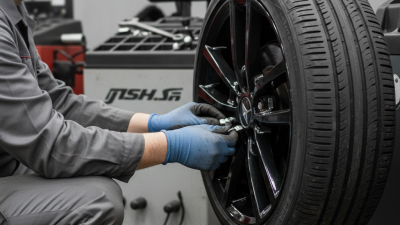
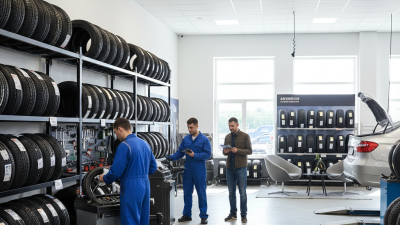
When considering wheel balancing, buyers often face a critical choice: professional services or DIY options. Professional wheel balancing provides the advantage of experience and specialized equipment. Technicians can detect issues not visible to the average person. They ensure that weights are precisely adjusted, leading to smoother rides. This approach often results in a reliable outcome, minimizing vibration and wear on tires.
On the other hand, DIY wheel balancing has its appeal. It offers a sense of accomplishment and can save money. However, it requires an understanding of tools and techniques. Many DIY enthusiasts find it challenging to achieve the same level of precision as professionals. Mistakes in balancing can lead to uneven tire wear or reduced vehicle performance. Each option has its pros and cons, and understanding them is key to making an informed decision.
Ultimately, the cost, convenience, and required expertise shape the choice. Some may value professional skills more highly, while others might enjoy the hands-on experience of DIY projects. Reflecting on personal capabilities and needs will lead to the best decision for your wheel balancing process.
Top Tips for Car Wheel Balancing for Global Buyers - Professional vs. DIY Wheel Balancing: Weighing Your Options
| Method |
Cost |
Time Required |
Skill Level |
Accuracy |
Recommended For |
| Professional Balancing |
$50 - $100 |
30 - 60 minutes |
Low |
High |
Car owners seeking precision |
| DIY Balancing |
$20 - $50 (tools) |
2 - 4 hours |
Moderate to High |
Moderate |
DIY enthusiasts and budget-conscious consumers |
Best Practices for Regular Wheel Balancing to Extend Tire Lifespan
Maintaining balanced wheels is crucial for extending tire lifespan. Regular wheel balancing helps distribute the weight of the car evenly across all tires. When tires are unevenly balanced, it can lead to premature wear. This wear affects not just the tires but also other components of your vehicle.
Regularly check your tire pressure and inspect for visible damage. Under-inflated or damaged tires can exacerbate imbalance issues. It’s advised to have wheels balanced every 5,000 to 6,000 miles, or during routine tire rotations. This practice not only prolongs tire life but also improves fuel efficiency.
Pay attention to vibrations while driving. These may indicate a need for balancing. Ignoring such signs might lead to costly repairs. Balancing involves adjustments that may seem minor but can significantly impact your driving experience. Trust a professional to perform the task, ensuring accuracy and reliability. Regular maintenance can save you money and improve your vehicle’s performance.