Top 5 Tips for Choosing Premium Tires for Your Vehicle?
When it comes to selecting premium tires for your vehicle, the decision can feel overwhelming. According to tire industry expert Mark Anderson, "Choosing the right premium tires can significantly enhance your vehicle's performance and safety." With countless options available, understanding the key factors that contribute to tire quality is essential.
Premium tires often offer better traction, durability, and fuel efficiency. Investing in them is a step toward ensuring a smooth driving experience. However, not all premium tires are created equal; features like tread design, rubber composition, and brand reputation matter. Taking the time to research can save drivers from future headaches.
Reflecting on personal preferences is important too. What works for one driver may not suit another. Understanding your driving habits and conditions can help in making informed decisions. Don't rush this choice; the impact of your premium tires reaches far beyond just appearance. Make sure they align with your vehicle's needs for optimal results.

Understanding Tire Specifications: Load Index and Speed Rating Considerations
When selecting premium tires, understanding the load index and speed rating is crucial. The load index indicates the maximum weight a tire can support. Usually, this number ranges from 75 to 124. A common 205/55R16 tire might carry a load index of 91, equating to about 1,356 pounds. It’s vital to choose a tire that meets or exceeds your vehicle's requirements for safety and performance.
The speed rating is another key specification. It denotes the maximum speed the tire can safely sustain. Ratings range from A1 (below 6 mph) to Y (up to 186 mph). A tire with a high speed rating can improve your vehicle's handling, especially in emergency situations. Yet, some drivers overlook this during tire selection. This oversight can lead to a mismatched tire that affects performance and safety. Always check your vehicle's manual to ensure compatibility with the required load index and speed rating. Not knowing this can be risky for both your vehicle and your safety.
Evaluating Tread Patterns: Optimal Choices for Different Driving Conditions
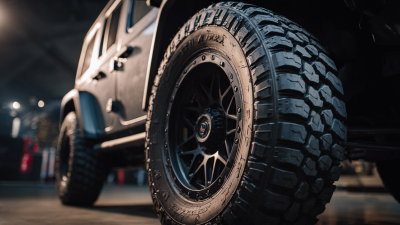
When it comes to choosing premium tires, evaluating tread patterns is crucial. Tread patterns affect traction, handling, and durability on various surfaces. For instance, deep grooves and aggressive patterns work well on muddy or off-road terrains. Conversely, if you mostly drive on highways, a smoother tread will enhance fuel efficiency and reduce road noise.
One tip is to consider your local climate. In wet conditions, tires with specialized rain grooves can channel water away effectively. This reduces the risk of hydroplaning. If you're driving in snowy regions, look for tires marked with a mountain-and-snowflake symbol. These designs offer enhanced grip in winter weather.
Lastly, reflect on your driving habits. Do you often accelerate quickly or brake hard? Tires with a stiffer sidewall may be beneficial for performance drivers. However, they might sacrifice comfort on rough roads. Each type of tread performs differently, making it essential to choose based on personal and environmental factors. Understanding these nuances will guide you towards the best tire choice for your vehicle.
Assessing Rubber Compounds: The Impact on Performance and Durability
When choosing premium tires, the rubber compound greatly influences performance and durability. Advanced tire formulations typically combine various rubber types to enhance grip and longevity. According to a recent industry report, high-performance tires made with silica-rich compounds can increase wet traction by 15% compared to standard tires. This improvement is crucial for drivers who encounter diverse weather conditions.
Durability is another significant factor. The compound's resistance to wear can vary remarkably. A study has shown that tires using advanced synthetic rubber can last up to 40% longer than those crafted from traditional materials. However, some users report that softer compounds provide better handling but sacrifice lifespan. This trade-off is essential to consider. Drivers must evaluate their driving habits and choose a compound that aligns with their needs, whether it's performance or longevity.
Additionally, the cost of premium tires often reflects their composition. Investing in higher-quality rubber compounds can prevent frequent replacements. A survey indicated that 55% of consumers value durability over initial affordability. Awareness of these factors can lead to informed decisions, ensuring that your selection aligns with your expectations for safety and performance.
Researching Brand Reputation: Analyzing Consumer Reviews and Expert Ratings
When selecting premium tires, researching brand reputation is crucial. Consumer reviews and expert ratings serve as valuable tools. According to a recent industry report, 78% of buyers trust online reviews as much as personal recommendations. This highlights the importance of examining feedback on multiple platforms.
Look for patterns in consumer feedback. Pay attention to comments about durability and performance. Experts often rate tires based on extensive testing. A study found that brands with high average ratings (above 4.5 stars) tend to outlast competitors. However, avoid relying solely on a star rating. Context matters. One tire might excel in wet conditions but struggle in winter weather.
Not all reviews reflect the whole picture. Some users may only share negative experiences. This negativity can skew perceptions. Additionally, regularly check for updates on expert sites. Tire technology evolves quickly. A brand that rated highly a year ago may have fallen behind due to new innovations. Stay informed to make a wise decision.
Calculating Total Cost of Ownership: Balancing Price with Longevity and Safety
When choosing premium tires, calculating the total cost of ownership is crucial. Many people focus solely on the initial price. However, the longevity of tires can greatly affect overall costs.
Premium tires may have a higher upfront expense, but they often last longer. This can lead to fewer replacements and potentially lower maintenance costs over time.
Safety is another significant factor to consider. Quality tires provide better traction and handling. This can greatly reduce the chances of accidents. Investing in better tires can mean fewer tire-related issues during your driving experience. The peace of mind that comes from reliable performance is invaluable.
Reflecting on the balance between price, longevity, and safety can be difficult. Some may choose cheaper options, lured by initial savings. However, this may lead to increased costs in the long run. It's essential to weigh these aspects carefully. Making an informed decision can provide a better driving experience overall.