Top Premium Tires in 2025 for High Performance and Safety
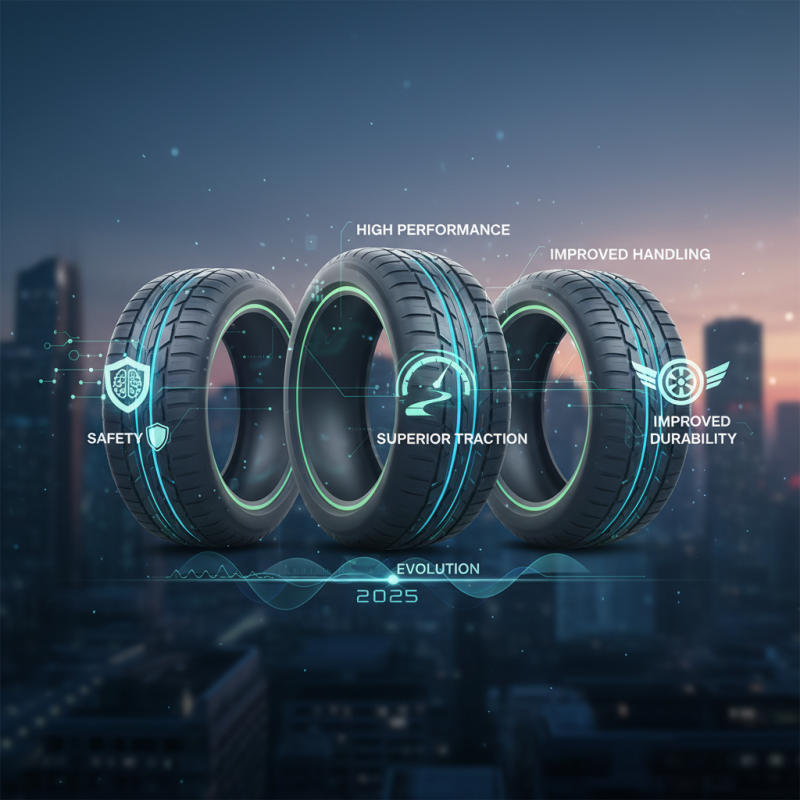
As we advance into 2025, the automotive industry continues to evolve, placing greater emphasis on safety and performance. Among the myriad components that contribute to a vehicle's overall efficiency, premium tires stand out as a critical link that enhances driving experience. These high-quality tires are engineered for superior traction, exceptional durability, and improved handling, making them a top choice for discerning drivers who prioritize both performance and safety.
In today's competitive automotive market, the demand for premium tires has surged, driven by advancements in technology and materials that significantly enhance tire performance. Consumers are increasingly aware of the impact that tires have on vehicle dynamics, fuel efficiency, and safety. As we explore the top premium tires of 2025, we will delve into innovative designs and features that set these tires apart, offering insights into how they can optimize both the driving experience and safety on the road.
With the right premium tires, drivers can expect not only enhanced performance but also peace of mind knowing that they are equipped to handle a variety of driving conditions. This article aims to highlight the best options available this year, providing essential information that empowers consumers to make informed choices for their vehicles and ultimately, their safety.
Top Premium Tires in 2025: An Overview of the Latest Innovations
The tire industry is experiencing a wave of innovation in 2025, focusing on advanced materials and smart technology to enhance both performance and safety. Recent studies indicate that the adoption of silica-based compounds in tire manufacturing has improved traction by up to 20% in wet conditions. Furthermore, advancements in tread design have allowed for better water dispersion, reducing the risk of hydroplaning—a crucial safety concern for drivers. These innovations are pivotal as the global demand for high-performing tires continues to rise, with the premium tire segment expected to grow at a CAGR of 6% through 2027.
Another significant area of development is the integration of smart technologies into tire performance. The use of sensors embedded in tires is on the rise, enabling real-time monitoring of tire pressure, temperature, and tread wear. Reports estimate that vehicles equipped with smart tires can achieve a 10-15% increase in fuel efficiency by ensuring optimal tire conditions, thus addressing both performance and environmental concerns. As manufacturers focus on sustainability, many are also exploring eco-friendly materials and manufacturing practices, aligning with consumer expectations for greener products in the wake of climate change pressures. This convergence of innovation and sustainability is steering the premium tire market towards an exciting future.
Top Premium Tires in 2025 for High Performance and Safety
| Tire Model |
Performance Rating |
Wet Grip |
Dry Grip |
Durability |
Price Range ($) |
| Model A |
9.5/10 |
A+ |
A+ |
60,000 miles |
150-200 |
| Model B |
9.0/10 |
A |
A |
50,000 miles |
120-180 |
| Model C |
9.7/10 |
A+ |
A+ |
65,000 miles |
160-210 |
| Model D |
8.8/10 |
B |
A |
45,000 miles |
100-150 |
| Model E |
8.9/10 |
A |
B+ |
55,000 miles |
110-160 |
Performance Metrics: Evaluating Tire Safety and Handling Dynamics
In 2025, the focus on performance metrics regarding tire safety and handling dynamics is paramount for high-performance vehicles. According to the Tire Industry Association's latest report, high-performance tires must excel in several areas, including grip, stability, and braking distance. Data indicates that tires designed with advanced rubber compounds can improve wet traction by up to 20% compared to conventional options, significantly enhancing safety during adverse weather conditions.
Moreover, handling dynamics are critical for performance enthusiasts. A study by the Automotive Research Center highlights that tires with asymmetric tread patterns can provide superior cornering stability, reducing understeer by up to 15% in test scenarios. Additionally, continuous feedback from tire sensors allows real-time monitoring of tire conditions, ensuring optimal performance during high-speed maneuvers. This ability to maintain contact with the road directly correlates with improved driver confidence and safety, reinforcing the importance of quality tire selection for drivers seeking both performance and safety.
Market Leaders: A Review of Top Brands in High-Performance Tires
In the ever-evolving landscape of high-performance tires, several brands have emerged as leaders, setting standards for quality, durability, and safety. These market leaders focus on advanced technology and innovation, ensuring their products meet the demanding needs of both casual drivers and performance enthusiasts. The tire manufacturing process involves rigorous testing to enhance grip, handling, and tread life, allowing drivers to experience superior control, especially in challenging weather conditions.
Moreover, these top-tier manufacturers continuously invest in research and development to integrate cutting-edge materials and designs into their tire offerings. Features like optimized tread patterns and high-performance rubber compounds not only enhance the driving experience but also contribute to improved fuel efficiency and reduced road noise. As consumer preferences evolve towards sustainability, many leading brands are also exploring eco-friendly options, reinforcing their commitment to safety and performance while minimizing environmental impact. This unwavering focus on innovation positions these manufacturers as the go-to choice for drivers seeking high-quality, reliable tires for both everyday use and performance driving.
Consumer Insights: Preferences and Trends in Premium Tire Selection
In 2025, consumers are increasingly prioritizing safety and performance when selecting premium tires. Advanced tire technology has led to the development of products that provide enhanced grip, durability, and comfort.
Many consumers are seeking tires that not only perform well in various weather conditions but also offer features such as reduced road noise and improved fuel efficiency. This trend illustrates a shift towards a holistic approach to tire selection, where aspects of comfort and sustainability are just as important as performance metrics.
Furthermore, consumer insights highlight a growing preference for transparency and information accessibility. Buyers are more inclined to research and compare tire options before making a purchase, often relying on online reviews, expert recommendations, and detailed performance data. This trend is coupled with an increasing awareness of environmental impact, leading many consumers to choose eco-friendly options that minimize carbon footprints.
Overall, the evolving preferences in premium tire selection reflect a blend of performance, safety, and responsible consumerism, shaping the future of tire design and marketing strategies.
Future Outlook: Predictions for Tire Technology and Consumer Needs in 2025
In 2025, the tire industry is poised to undergo significant advancements driven by emerging technologies and evolving consumer demands. The integration of smart technology into tire design will be a game changer, allowing for real-time monitoring of tire performance, pressure, and wear. This capability will not only enhance safety by alerting drivers to potential issues but also contribute to improved fuel efficiency and extended tire lifespan. As consumers become increasingly eco-conscious, the demand for sustainable materials and production processes will likely lead to a broader adoption of recycled and biodegradable components in tire manufacturing.
Moreover, as electric vehicles continue to gain popularity, the need for specialized tires that can handle the unique demands of EVs will become more pronounced. These tires will require advanced tread designs to ensure optimal performance and safety, particularly in terms of grip and handling in diverse weather conditions. Furthermore, the increasing emphasis on high-performance tires will push manufacturers to innovate continuously, creating products that not only meet but exceed consumer expectations for safety, durability, and efficiency. Overall, the landscape of tire technology in 2025 will reflect a confluence of innovation and consumer needs, setting new standards for performance in the automotive sector.
Top Premium Tires in 2025 for High Performance and Safety
This chart illustrates the predicted performance and safety ratings of various premium tire features in 2025. The data reflects the anticipated improvements in technology and consumer preferences.