Why Are Auto Tires Important for Vehicle Safety and Performance?
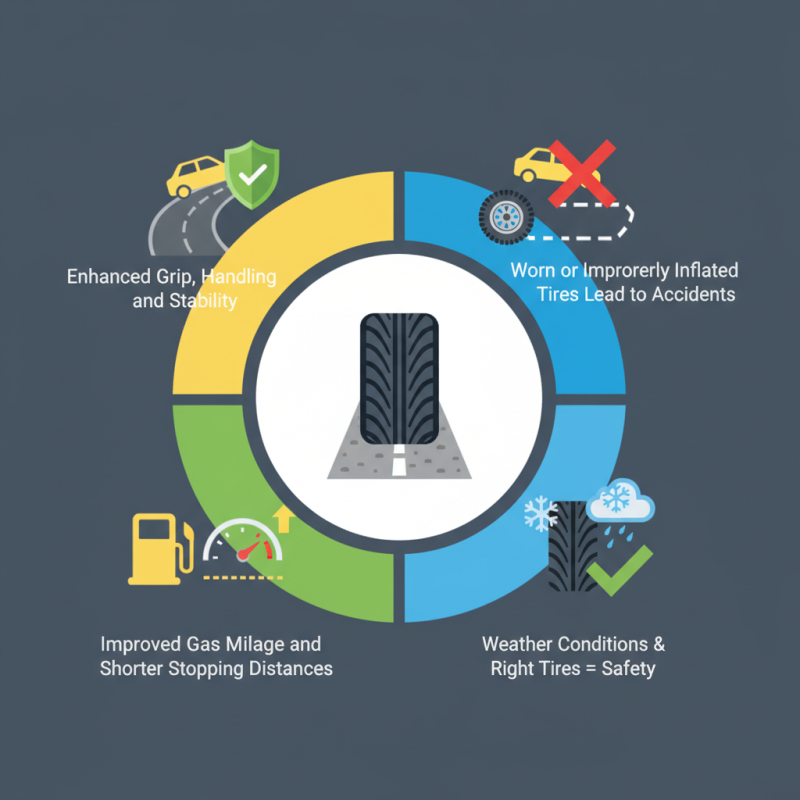
Auto tires play a crucial role in vehicle safety and overall performance. They are the only contact point between the vehicle and the road. Quality auto tires can enhance grip, handling, and stability. Conversely, worn or improperly inflated tires can lead to accidents. A flat tire may seem minor, but it can have serious consequences.
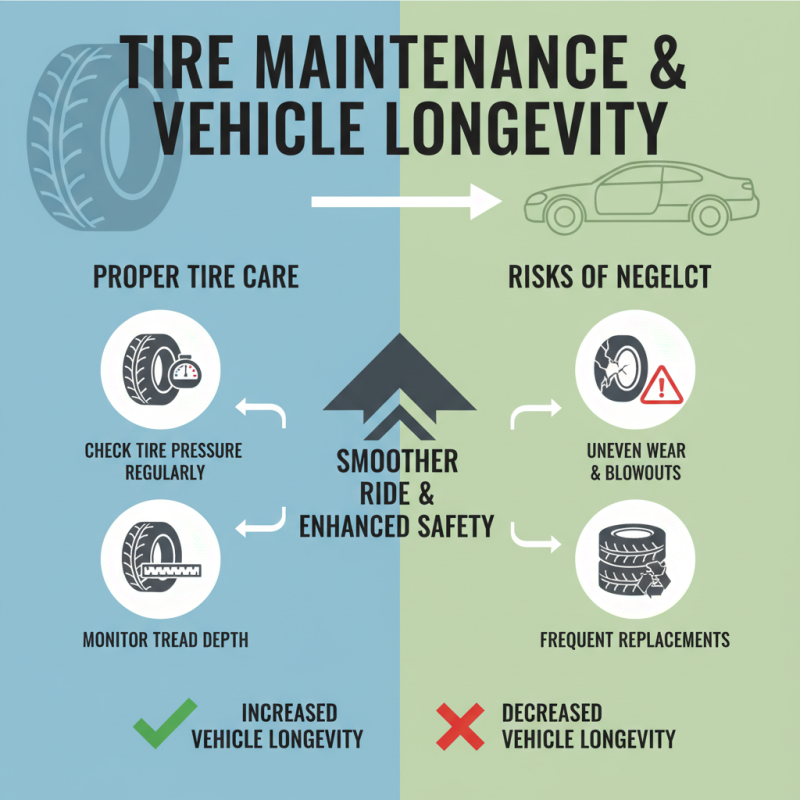
Many drivers overlook the importance of maintaining auto tires. They focus on engine and brakes, neglecting tire pressure and tread depth. However, neglecting tires can result in reduced performance. Gas mileage can suffer, and longer stopping distances become a reality. Checking tire health should be a priority for every driver.
In addition, weather conditions greatly affect how tires perform. During rain or snow, the right tires can mean the difference between safety and a hazardous situation. Investing time in tire maintenance reflects a commitment to safe driving. It is essential to recognize that tire choices directly impact safety. Understanding this can help prevent potential disasters on the road.
The Role of Tires in Vehicle Dynamics and Handling
Tires play a crucial role in vehicle dynamics and handling. They connect your car to the road. The quality of tires affects traction, braking, and cornering stability. When tires wear out, performance can diminish quickly. A worn tire may slip, affecting control during sharp turns.
Proper inflation is vital. Under-inflated tires can lead to poor handling. This reduces responsiveness. Over-inflated tires, on the other hand, can cause a harsh ride. It is essential to maintain the recommended tire pressure for optimal performance. Check pressures regularly.
Tips for better tire performance: Rotate tires every 5,000 to 7,500 miles. This promotes even wear. Inspect tires for damage often. Look for cracks or bulges. Don’t ignore vibrations while driving; they can indicate a problem. Remember, your tires are your only contact with the road. Treat them well for safer driving.
Why Are Auto Tires Important for Vehicle Safety and Performance?
| Dimension |
Value |
| Tire Pressure (psi) |
32-35 |
| Tread Depth (32nds of an inch) |
10-12 |
| Tire Age (years) |
6 |
| Load Index |
91 (1,356 lbs) |
| Speed Rating |
H (up to 130 mph) |
| Wet Traction Rating |
A |
Impact of Tire Quality on Safety Features and Performance
Tires are often overlooked when discussing vehicle safety and performance. However, they play a crucial role in how a vehicle handles on the road. Poor tire quality can lead to increased stopping distances. This can result in accidents, especially in emergency situations. Additionally, worn tires can lose traction on wet or icy surfaces. This makes driving dangerous.
The tread design and material of tires affect grip significantly. Tires with deeper treads provide better traction. However, many drivers neglect to check their tire condition regularly. A simple inspection could reveal issues like uneven wear or low air pressure. These problems may go unnoticed until it's too late.
Furthermore, high-quality tires enhance vehicle stability. They support smooth turns and responsive braking. In contrast, cheap or damaged tires can make a car feel unstable. This can lead to a lack of confidence while driving. In many cases, drivers may not realize their tires are impacting performance. Regular maintenance and investment in tires could make a bigger difference than you think.
Understanding Tire Specifications and Their Importance
When it comes to vehicle safety, tire specifications play a critical role. Each tire has unique traits, including tread design, width, and pressure. Understanding these specifications can significantly enhance both performance and safety. For example, tires with a deeper tread offer better grip on wet roads, reducing the risk of hydroplaning. Yet, many drivers overlook this detail. They often choose tires based solely on appearance or price. This can lead to unsafe driving conditions.
Regularly checking tire pressure is equally essential. Low pressure can cause tires to wear unevenly and may even lead to blowouts. Ideally, maintaining proper pressure improves fuel efficiency too. However, many forget to check it regularly. It is a small task but can have large implications. Ignoring manufacturer recommendations for tire size and type can also compromise handling and safety. Many drivers might assume that any tire can work, but that’s a misconception.
Educating oneself on tire load ratings is also important. These ratings indicate how much weight a tire can carry. Overloading a tire can result in tires wearing out quickly or, worse, lead to blowouts. Awareness of the signs of tire wear can help prevent accidents. While learning about tire specifications may seem tedious, it's a fundamental aspect of vehicle safety that saves lives.
Seasonal Tire Considerations for Optimal Performance and Safety
Tires are crucial for vehicle safety and performance. Seasonal changes significantly impact tire effectiveness. For instance, all-season tires may struggle in heavy winter conditions. A study found that winter tires can reduce stopping distances by up to 30%. This difference can mean safety in harsh weather.
In warmer months, tread wear can accelerate. Hot asphalt can cause tires to heat up and lose grip. Drivers might overlook the importance of checking their tire pressure. Research indicates that properly inflated tires can improve fuel efficiency by up to 3%.
Tips: Always inspect your tires for wear and tear. Replace them when tread depth is below 2/32 of an inch. Also, rotate your tires every 6,000 to 8,000 miles to extend their lifespan. Seasonal changes can catch you off guard. Keeping track of tire maintenance is essential for safe driving.
Importance of Auto Tires for Vehicle Safety and Performance
This bar chart illustrates the performance ratings of different tire characteristics that are crucial for vehicle safety and performance. Tire attributes such as wet grip and dry grip significantly impact handling and safety, while fuel efficiency relates to cost-effectiveness and environmental impact. Maintaining optimal tire conditions is essential for ensuring a vehicle's performance across various seasonal conditions.