
How to Choose the Best All Terrain Tyres?
Choosing the best all terrain tyres begins with understanding where your vehicle actually travels. A tyre that performs confidently on gravel may feel noisy on wet motorways. Another may offer strong mud traction but wear quickly during daily commuting. The right choice must balance terrain, weather, load, driving style, and budget.
Michelin CEO Florent Menegaux has emphasized, “The tire is the only point of contact between the vehicle and the road.” That simple observation deserves attention. The contact patch is roughly the size of a few postcards, yet it controls braking, steering, and stability. Examine the tread pattern closely. Larger gaps can clear mud and loose stones, while tighter blocks usually improve road comfort. Check the sidewall strength if you regularly carry tools, camping equipment, or heavy cargo. Confirm the tyre’s load rating against your vehicle manufacturer’s specifications.
Weather also changes the decision. Look for the Three-Peak Mountain Snowflake symbol when winter snow is expected. Mud and Snow marking alone may not indicate tested severe-snow performance. Wet braking matters, too. It is easy to focus on aggressive appearance and forget stopping distance.
No choice is perfect.
During real-world testing, compare steering response, cabin noise, and traction on familiar roads. Rotate the tyres according to the vehicle handbook, and inspect pressure before long trips. Even premium all terrain tyres cannot overcome incorrect inflation or worn suspension parts. Your most suitable option may look less dramatic than expected. That is not failure. It is often better judgment.
Understanding All-Terrain Tyre Design and Capabilities
How to Choose the Best All Terrain Tyres?
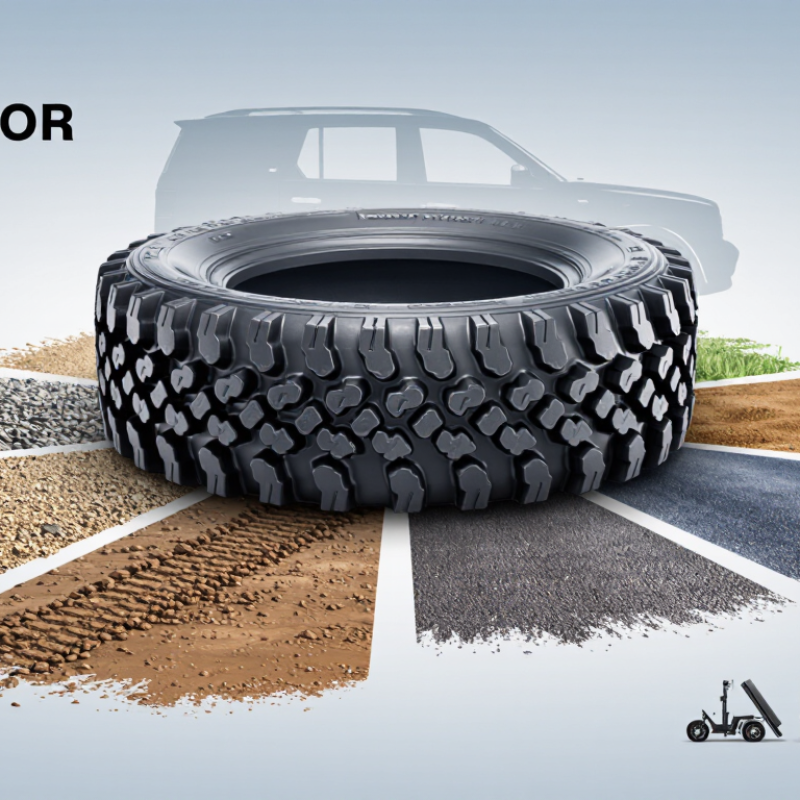
All-terrain tyre design balances road comfort with loose-surface traction. The tread usually combines larger shoulder blocks, staggered grooves, and narrower channels. These features help the tyre bite into gravel, mud, and wet grass. They also eject stones before they become trapped.
Look closely at the sidewall. Reinforced layers can resist cuts from sharp rocks, but they may add weight and rolling resistance. That trade-off matters. A tyre with deep voids can clear mud effectively, yet it may feel noisy on motorways. Siping improves wet and cold-weather grip, while excessive siping can weaken tread blocks during heavy off-road use. The 3PMSF marking indicates tested severe-snow performance, not guaranteed ice traction. Never confuse it with all-season suitability.
My first mistake was choosing aggressive tread without checking load requirements. The tyre looked capable, but steering felt vague on paved roads. The load index, speed rating, vehicle weight, and recommended pressure deserve equal attention. NHTSA’s Traffic Safety Facts reports about 11,000 tyre-related crashes annually in the United States, making maintenance part of capability. USTMA recommends checking inflation pressure monthly and before long journeys. Pressure changes with temperature. A 2024 Grand View Research report also projects continued growth in the all-terrain tyre market, reflecting wider demand for mixed-surface driving. Yet market growth does not prove every tread pattern suits your vehicle, route, or driving habits.
| Selection Dimension | Typical All-Terrain Specification or Feature | What It Means in Real-World Use | What to Check Before Buying |
|---|---|---|---|
| Tread Pattern | Open, staggered tread blocks with wider grooves than highway tyres | Improves grip on gravel, dirt and loose surfaces by allowing the tread to conform to uneven ground and clear some debris. | Choose a more open pattern for frequent off-road driving, or a tighter pattern for quieter road use and better wet-road refinement. |
| Tread Depth | Commonly about 11–15 mm when new, depending on tyre size and construction | Greater depth can provide more usable traction on loose surfaces and delay the effect of tread wear, but may increase noise and rolling resistance. | Compare tread depth with the intended terrain rather than choosing the deepest available tread automatically. |
| Void Ratio | Moderate to high, with channels between individual tread blocks | Helps eject mud, stones and loose soil. A lower void ratio generally gives a smoother, quieter ride on paved roads. | For mainly urban and highway driving, avoid an excessively open design that may reduce road comfort and wet-weather stability. |
| Shoulder Design | Reinforced shoulders with larger outer tread blocks and additional edges | Supports cornering on uneven ground and helps maintain traction when the tyre encounters ruts, cambered surfaces or soft shoulders. | Look for continuous shoulder support for road driving and more pronounced shoulder lugs for regular off-road work. |
| Sidewall Protection | Extra rubber, protective ribs or a multi-layer sidewall construction | Reduces the risk of cuts, scuffs and impact damage when driving near rocks, roots or sharp edges. | More protection can add weight and stiffness. Confirm that the tyre remains compatible with the vehicle’s approved load and size requirements. |
| Carcass Construction | Often uses stronger internal plies than a standard highway tyre | Improves resistance to deflection and impact damage, particularly when carrying loads or travelling on rough terrain. | Check the stated load index, ply construction and maximum permitted pressure rather than judging strength by appearance alone. |
| Load Capacity | Load index must meet or exceed the vehicle manufacturer’s specified requirement | Ensures that the tyre can safely support the vehicle, passengers, cargo and towing load within the specified operating conditions. | Never select a lower load index than the vehicle specification. Consider a higher capacity only when wheel compatibility and ride characteristics are acceptable. |
| Speed Rating | Varies by tyre; many all-terrain designs use ratings suitable for normal highway speeds | Indicates the maximum speed capability under controlled conditions when the tyre is correctly inflated and loaded. | Match or exceed the vehicle maker’s required speed rating and remember that off-road damage, underinflation and overloading can reduce safe performance. |
| Wet-Road Performance | Longitudinal grooves, lateral channels and silica-based tread compounds may be used | Helps move water away from the contact patch and maintain braking and steering grip on wet pavement. | Prioritise independently tested wet-grip information and avoid relying only on aggressive-looking tread blocks. |
| Snow Capability | Some all-terrain tyres carry the Three-Peak Mountain Snowflake symbol; others are only marked M+S | The Three-Peak Mountain Snowflake indicates that the tyre has passed a defined severe-snow performance test. M+S alone does not represent the same certified test result. | For regular snow or winter conditions, verify the required legal marking and consider dedicated winter tyres where appropriate. |
| Road Noise | Usually higher than highway-terrain tyres, especially with large separated tread blocks | Open tread patterns can create more pattern noise and vibration at motorway speeds. | Select a closed or variable-pitch tread design if most journeys are on paved roads. |
| Rolling Resistance | Generally higher than comparable highway tyres because of deeper tread, heavier construction and greater deformation | May increase fuel or energy consumption, particularly during long highway journeys or when tyres are underinflated. | Compare efficiency information where available and maintain the vehicle manufacturer’s recommended cold inflation pressure. |
| Ride Comfort | Balanced between highway comfort and off-road durability | Stronger sidewalls and larger tread blocks can make steering feel firmer and transmit more road texture than touring-oriented tyres. | Choose a less aggressive all-terrain pattern if comfort and quietness are more important than maximum loose-surface traction. |
| Gravel and Dirt Performance | Very good when tread blocks and sidewalls are designed for loose surfaces | Provides stronger forward traction and better resistance to stone damage than many highway-focused tyres. | Confirm that the tread compound and casing are suited to the temperature, speed and load conditions of regular gravel travel. |
| Mud Performance | Moderate compared with specialised mud-terrain tyres | All-terrain tyres can handle light to moderate mud, but their narrower grooves may clog sooner in deep, sticky mud. | If deep mud is a frequent operating environment, a mud-terrain design may be more suitable, although it usually sacrifices road comfort and noise performance. |
| Rock and Uneven Ground | Good when combined with reinforced sidewalls and flexible tread blocks | Can provide useful grip and impact resistance on rocky tracks, but no tyre is immune to punctures or sidewall damage. | Use suitable speed, inspect the sidewalls regularly and follow the vehicle and tyre maker’s guidance for pressure adjustment off-road. |
| Tyre Pressure | Vehicle-specific; road pressure is not automatically suitable for every off-road surface | Correct pressure controls the contact patch, heat build-up, handling and load capacity. Underinflation at road speed can cause excessive flexing and damage. | Use the vehicle placard or handbook as the primary reference. Any off-road pressure adjustment should be temporary and followed by reinflation before normal-speed road use. |
| Wear and Replacement | Performance changes as grooves become shallower and edges round off | Traction on wet roads, snow and loose surfaces generally declines with wear, even when legal tread remains. | Inspect tread depth, uneven wear, cracking, punctures and bulges. Replace tyres in axle pairs when required by the vehicle manufacturer or drivetrain system. |
| Best Overall Use Case | A balanced mix of paved roads, gravel, trails and occasional rough terrain | All-terrain tyres are a compromise: they offer broader surface capability than highway tyres without the extreme off-road bias of mud-terrain designs. | Base the choice on the percentage of road and off-road use, climate, vehicle load, towing needs, noise tolerance and local regulations. |
Note: Specifications and performance vary by tyre size, construction, vehicle, load, inflation pressure, surface and weather. Always confirm the vehicle manufacturer’s approved tyre size, load index, speed rating and inflation requirements.
Related Posts
-
How to Choose the Best All Terrain Tires for Your Vehicle Needs
-
What is Off Road Snow Tires and How Do They Improve Winter Driving?
-
How to Choose Premium Tires for Your Vehicle?
-
How to Find the Best Tire Places Near You for Quality Service?
-
How to Choose the Best Vehicle Tires for Your Needs?
-

Vehicle Tyres Market Trends at 2025 China Import and Export Fair Insights and Opportunities