Top Electric Flatbed Truck Tips for Global Buyers in 2026?
The global Electric Flatbed Truck market is witnessing significant growth. According to a report by Fortune Business Insights, the market is projected to reach $4.7 billion by 2026. This surge is driven by the push for sustainable transportation and stricter emissions regulations. Electric flatbed trucks play a crucial role in this transition. They offer a cleaner alternative to traditional diesel vehicles.
However, potential buyers must navigate various challenges. The transition requires understanding battery technology, infrastructure needs, and total cost of ownership. A study from Global Market Insights indicates that operators may face higher initial costs. Yet, these trucks promise lower maintenance expenses and fuel savings over time.
Decisions should be informed by reliable data and industry insights. Electric flatbed trucks present unique advantages in logistics and urban deliveries. Yet, they are not without their complexities. Understanding these factors can lead to better purchasing decisions.
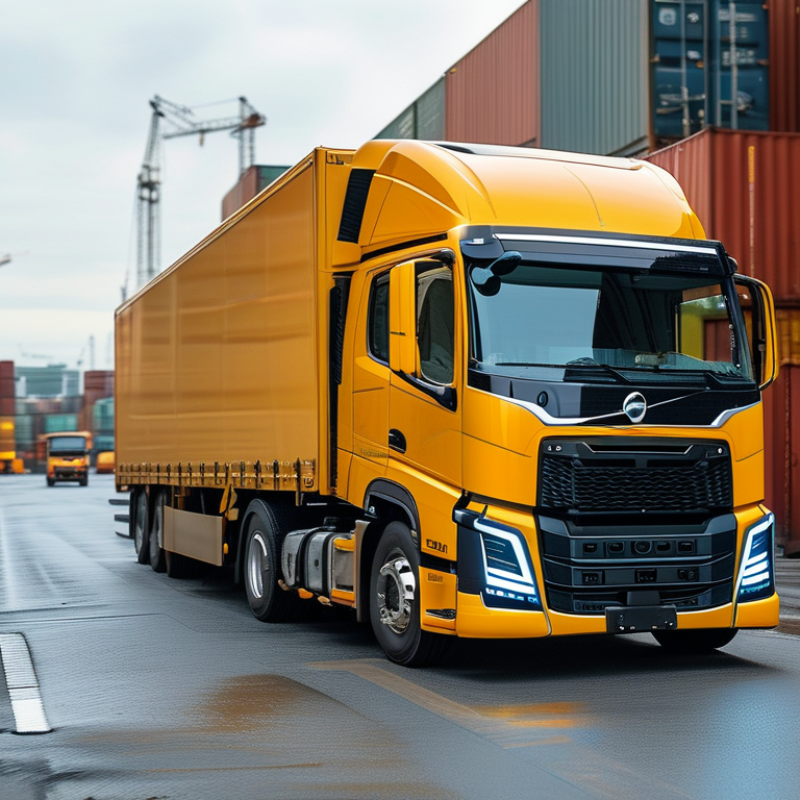
Key Features to Consider When Buying Electric Flatbed Trucks
When considering the purchase of an electric flatbed truck, several key features can significantly enhance your experience. Battery capacity is paramount. A larger battery allows for longer trips and heavier loads. Look for models boasting at least 300 miles of range. Charging time also matters. Fast-charging capabilities can reduce downtime substantially, allowing for swift deliveries. Some models may not support faster charging, hindering workflow.
Another important aspect is payload capacity. Ensure the truck can handle your specific cargo needs. Flatbed trucks vary in strength, so check the specifications closely. The vehicle's towing capacity should also meet your requirements, especially for heavy equipment. Additionally, the incorporation of advanced safety features is crucial. Look for trucks equipped with systems like lane assist and automatic braking.
Connectivity features are rapidly becoming essential. Fleet management tools can help monitor performance, optimize routes, and track maintenance needs. While many trucks offer basic technology, not all come with sophisticated systems. Be aware of this gap when evaluating options. Some trucks may also lack intuitive interfaces, which can be frustrating for drivers. By considering each feature thoughtfully, buyers can make informed decisions that fit their operational needs.
Top Electric Flatbed Truck Features in 2026
Market Trends in Electric Flatbed Truck Technology for 2026
The electric flatbed truck market is evolving rapidly. In 2026, buyers can expect significant advancements in technology that enhance efficiency and sustainability. Battery technology will likely improve, offering longer ranges and faster charging times. This shift will cater to an increasing need for zero-emission transportation solutions.
Selecting the right electric flatbed truck can be tough. One tip is to prioritize vehicles with robust charging infrastructure. Consider the availability of charging stations along your routes. Buyers should also assess payload capacities that fit their operational needs. Testing vehicles in real-world scenarios is wise to understand their limitations.
Another crucial aspect is maintenance. Electric trucks usually require less maintenance than traditional models. However, this does not eliminate the need for regular checks on critical systems, such as brakes and tires. Buyers should be prepared for potential software updates that might affect vehicle performance. Reflecting on these factors can help ensure a sound investment in the electric flatbed truck segment.
Top Manufacturers and Models of Electric Flatbed Trucks Worldwide
As the demand for sustainable transportation grows, electric flatbed trucks are becoming a popular choice among global buyers. Several manufacturers are leading the charge in this market. Their commitment to innovation sets a high bar for performance and reliability. Electric flatbed trucks offer reduced emissions and lower operational costs. However, buyers should consider factors like battery life and payload capacity carefully.
When examining top models, features often make a difference. Some trucks focus on agility and maneuverability, making them ideal for urban environments. Others emphasize heavy-duty capabilities for tougher terrains. Buyers may face challenges in matching the right truck to their needs. Not every model fits every application. Knowing the intended use is vital in making an informed decision. Market trends indicate a shift toward more customizable options, yet it is important to remain cautious of claims made by various manufacturers.
In 2026, the electric flatbed truck landscape will continue to evolve. More players may enter the market, increasing competition. This environment could lead to better features but also could confuse buyers. Potential owners should engage with forums and expert reviews to navigate choices. Failing to do this could result in regrettable purchases. Balancing efficiency, durability, and price will remain crucial for discerning global buyers.
Understanding the Cost and Financing Options for Electric Flatbed Trucks
Electric flatbed trucks are gaining attention as businesses seek sustainable transportation solutions. As of 2023, the average cost of these vehicles ranges from $80,000 to $140,000, influenced by battery capacity and range. This investment often requires careful financial planning, particularly for global buyers. According to a recent industry report by the International Energy Agency, electric vehicle adoption is projected to rise 35% yearly through 2026. Financing options vary widely.
Leasing can be an attractive alternative. It often allows lower monthly payments, freeing up cash flow for businesses. Government incentives also play a crucial role. Programs offering tax credits can reduce purchase costs significantly. However, it’s essential to research which programs are available in your region.
Many buyers overlook hidden costs involved in ownership. Charging infrastructure is critical. Installing charging stations can lead to additional expenses. Maintenance costs are generally lower, yet some repairs may still surprise budget-conscious owners. Evaluating these factors ensures a well-rounded financial strategy. Understanding these challenges and benefits is vital for making an informed decision.
Environmental Regulations Impacting Electric Flatbed Truck Purchases
As environmental regulations tighten globally, buyers must consider their impact on electric flatbed truck purchases. Recent studies indicate that by 2026, compliance with stricter emissions standards will be essential. According to a report by the International Council on Clean Transportation, over 50% of countries will likely adopt higher efficiency standards for commercial vehicles. This shift could significantly affect the types of electric flatbed trucks being produced and purchased.
Considering these upcoming regulations, buyers should stay informed about local and international standards. It’s vital to evaluate the vehicle's emissions impact thoroughly. Not all electric flatbed trucks are created equal when it comes to sustainability. Some might still utilize components with high environmental footprints. When researching, prioritize trucks that meet stringent regulations and focus on sustainable production methods.
When it comes to purchasing, think beyond price. Consider total ownership costs, including charging infrastructure. You might save initially, but long-term expenses could be higher. Look for models with lower maintenance fees or longer battery lives. Suppliers offering electric technology education can also enhance the buying experience. Staying aware of regulations and technological advancements will lead to smarter decisions for a sustainable future.