Choosing the right vehicle tyres is not simply a matter of selecting the most expensive option. The best choice depends on your vehicle, driving habits, climate, road surfaces, and budget. A family hatchback used for short urban journeys needs different tyres from a loaded SUV travelling long distances. Even familiar roads can change dramatically during heavy rain or winter temperatures. Small details matter.
Start with the vehicle handbook and tyre placard. They provide approved sizes, load indexes, and speed ratings. These figures are not suggestions to ignore. They protect handling, braking, and mechanical compatibility. A qualified tyre professional can confirm the correct fitment and explain differences between touring, performance, all-season, and winter designs. Independent test results may also reveal wet braking, cabin noise, rolling resistance, and tread-life performance. However, no test perfectly represents every driver’s experience.
Look closely at tread patterns and sidewall markings. Deep grooves can help move water away from the contact patch, while stronger sidewalls may suit heavier loads or rougher roads. Check air pressure regularly, especially before carrying luggage. Uneven wear often signals poor alignment, suspension issues, or incorrect inflation. That evidence should not be dismissed.
There is no universal winner.
Premium tyres can offer reassuring grip, but value-focused products may suit modest mileage and gentle driving. Cheap tyres are not automatically unsafe, yet unknown quality creates unnecessary uncertainty. Choosing well means balancing verified performance, correct specifications, and realistic use. The decision deserves patience, because four small contact patches control nearly every journey.
Choosing tyres starts with your vehicle, not the price tag. Check the handbook, driver’s door label, or current tyre sidewall for the correct size. You will find details such as width, profile, diameter, load rating, and speed rating. These numbers are not decoration. They affect steering control, braking distance, comfort, and fuel use.
Think about your real driving conditions. A family car used mainly on wet city roads needs dependable wet grip and stable handling. A vehicle travelling on motorways may need quiet tyres with strong high-speed stability. Drivers in colder regions should consider seasonal tyres when temperatures regularly fall. For occasional gravel roads, stronger sidewalls can be useful, but aggressive tread may feel noisy on smooth streets. I once assumed a deeper tread always meant better performance. It did not. Road surface and temperature changed the result.
Tips: Inspect all four tyres together. Uneven wear may reveal incorrect alignment, low pressure, worn suspension, or frequent hard cornering. Measure tread depth with a proper gauge, not a visual guess. Check pressure when tyres are cold, ideally before a journey. Replace damaged tyres promptly, even when the tread looks acceptable. Tyres should match the vehicle’s requirements and your driving habits, not simply your budget. Ask a qualified tyre technician to confirm compatibility, especially after changing wheel size. Lower cost can be sensible, but ignoring specifications is not.
How to Choose the Best Vehicle Tyres for Your Needs?
Choosing the right tyre type starts with your usual driving conditions. For frequent rain, choose tyres with deep grooves and strong water evacuation. They help reduce the risk of losing grip on wet roads. In hot climates, heat-resistant construction can support stable handling during long journeys. Winter tyres suit freezing temperatures, snow, and icy surfaces. Their softer rubber remains flexible when ordinary tyres become stiff. All-season tyres offer convenience, but they may compromise performance in severe weather. I have found that “suitable for everything” can still mean ideal for nothing.
Tips: Check your vehicle handbook before buying. Match the recommended size, load rating, and speed rating. Inspect the tread every few weeks, especially before a long trip. A simple tread-depth gauge helps reveal uneven wear. Look for cracks, bulges, or exposed cords. These warning signs need professional attention. Do not choose tyres by price alone.
Driving style also changes the best choice. City drivers may value quiet, comfortable tyres with reliable wet braking. Drivers on gravel roads need tougher sidewalls and stronger puncture resistance. If you carry heavy loads, confirm that each tyre supports the required weight. Ask a qualified tyre technician to assess alignment and suspension when wear appears on one edge. I sometimes overlooked small pressure changes, yet they affected steering feel and fuel use. Check pressures when the tyres are cold. Four minutes can prevent many surprises.
Choosing the Right Tyre Type for Driving Conditions
The suitability index ranges from 0 to 10 and represents general tyre-design characteristics for typical driving conditions. Summer tyres are optimized for warm, dry roads, winter tyres for cold and snowy conditions, all-season tyres for balanced year-round use, and all-terrain tyres for mixed road and light off-road driving. Actual performance depends on temperature, tread condition, vehicle type, tyre pressure, and road surface.
Choosing vehicle tyres starts with size, not appearance. The size printed on the sidewall must match the vehicle placard and owner’s manual. A wider tyre may improve cornering, but it can increase road noise, fuel use, and steering effort. A smaller rolling diameter can also affect speedometer accuracy and electronic safety systems. The European Tyre and Rim Technical Organisation states that replacement tyres should maintain approved load and speed capabilities. That detail is easy to miss.
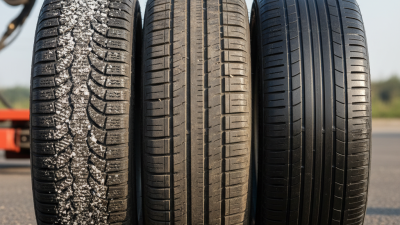
Tread pattern changes how a tyre behaves. Symmetrical patterns often provide quiet, even wear. Directional grooves can move water efficiently, especially during heavy rain. Asymmetric designs balance dry-road handling with wet grip. However, tread depth is not the only concern. The U.S. National Highway Traffic Safety Administration recommends replacing tyres at 2/32 inch of remaining tread. Age, cracking, and uneven wear matter too. I have seen tyres with acceptable tread look unsafe because their sidewalls were weathered.
Tips: Compare the wet-grip and rolling-resistance ratings on the official tyre label. Under European Union testing, each wet-grip class can change wet braking distance by several metres. Check the exact test conditions, because laboratory results are not daily driving. The U.S. Department of Energy reports that fuel economy can fall by about 0.2% for every 1 psi of underinflation. Inflate tyres when cold, and inspect them monthly. Performance ratings also deserve careful reading. A higher speed rating does not shorten braking distance by itself. It mainly confirms a tested speed capability, with suitable conditions. I still prefer a tyre matched to climate and load, rather than the most aggressive rating.
| Typical Vehicle Use | Example Tyre Size | What the Size Means | Suitable Tread Pattern | Recommended Performance Priorities | Common Load and Speed Rating | Main Advantages | Important Limitations |
|---|---|---|---|---|---|---|---|
| Compact passenger car used mainly in cities | 175/65 R15 | 175 mm width, 65% aspect ratio, radial construction, 15-inch wheel diameter | Symmetric Designed for even wear and easy rotation |
Low rolling resistance, quiet operation, wet braking, and steering comfort | 84H Up to 500 kg per tyre Up to 210 km/h |
Comfortable ride, predictable handling, and good fuel efficiency when correctly inflated | Usually less responsive during high-speed cornering than a lower-profile performance tyre |
| Small family hatchback or compact sedan | 195/65 R15 | 195 mm width, 65% aspect ratio, radial construction, 15-inch wheel diameter | Symmetric or Asymmetric | Balanced dry handling, wet grip, tread life, and ride comfort | 91H Up to 615 kg per tyre Up to 210 km/h |
Widely used proportions with a good balance between comfort, stability, and replacement cost | Must not be fitted if the vehicle placard specifies a different load index or wheel diameter |
| Medium sedan or estate car | 205/55 R16 | 205 mm width, 55% aspect ratio, radial construction, 16-inch wheel diameter | Asymmetric Different zones support dry and wet-road performance |
Wet braking, cornering stability, steering precision, and motorway comfort | 91V Up to 615 kg per tyre Up to 240 km/h |
Good compromise between responsive handling and everyday comfort | Lower sidewall provides less impact cushioning on potholes than a higher-profile option |
| Performance-oriented sedan or coupe | 225/45 R17 | 225 mm width, 45% aspect ratio, radial construction, 17-inch wheel diameter | Asymmetric or Directional | Dry grip, steering response, cornering stability, and high-speed control | 94W Up to 670 kg per tyre Up to 270 km/h |
Sharper steering response and strong lateral stability when correctly matched to the vehicle | May produce more road noise, cost more, and transmit more road impacts |
| Family SUV or crossover | 235/55 R18 | 235 mm width, 55% aspect ratio, radial construction, 18-inch wheel diameter | Asymmetric Suitable for mixed urban and motorway driving |
Load capacity, wet grip, straight-line stability, ride comfort, and noise control | 100V Up to 800 kg per tyre Up to 240 km/h |
Stable handling with useful sidewall support for heavier vehicles | Higher mass and rolling resistance can affect fuel or energy consumption |
| Light commercial van carrying regular loads | 215/65 R16C | 215 mm width, 65% aspect ratio, radial construction, 16-inch wheel diameter; “C” indicates commercial-vehicle application | Symmetric Prioritises durability and even wear |
Load capacity, casing durability, wet braking, and resistance to uneven wear | 109/107R Up to 1,030 kg or 975 kg per tyre Up to 170 km/h |
Reinforced construction is suited to higher axle loads and frequent commercial use | Commercial tyres may feel firmer and less agile when the vehicle is lightly loaded |
| Frequent rain, standing water, or motorway driving | Use the vehicle-approved size | Replacement dimensions must match the vehicle’s approved width, aspect ratio, construction, and wheel diameter | Directional V-shaped grooves help channel water away |
Wet-grip rating, hydroplaning resistance, braking performance, and stable high-speed behaviour | Use the vehicle-approved rating Never select a lower load or speed rating |
Effective water evacuation when correctly fitted and rotated in the marked direction | Directional tyres require correct mounting direction and may be less flexible for rotation |
| Cold weather with regular snow or ice | Use the vehicle-approved winter size | Size must remain within the vehicle manufacturer’s approved alternatives | Winter directional Many sipes and flexible cold-weather compound |
Snow traction, ice braking, cold-weather flexibility, and wet-road control | Use the vehicle-approved rating Winter speed limitations may apply |
Designed to remain flexible at low temperatures and improve traction on snow-covered roads | Can wear faster and feel less precise in warm weather; seasonal regulations may apply |
| Mixed paved roads and occasional gravel or light trails | 245/65 R17 | 245 mm width, 65% aspect ratio, radial construction, 17-inch wheel diameter | All-terrain More open grooves and reinforced tread blocks |
Sidewall protection, gravel traction, wet-road grip, and resistance to stone retention | 111H Up to 1,090 kg per tyre Up to 210 km/h |
More capable on loose surfaces than a road-focused tread while remaining suitable for everyday driving | Usually noisier and less fuel-efficient than a highway-oriented tread on paved roads |
| Selection note: The tyre sizes and ratings shown are real examples for comparison only. Always use the size, load index, speed symbol, construction type, and inflation pressure specified on the vehicle placard or in the owner’s manual. The speed symbols shown represent maximum laboratory-rated speeds: H = 210 km/h, V = 240 km/h, W = 270 km/h, and R = 170 km/h. Actual safe speed depends on road, weather, tyre condition, vehicle load, and local regulations. | |||||||
Tyre quality begins with construction, not appearance. A clean sidewall does not prove reliable performance. Check the manufacturing date, load rating, speed rating, and approved size in your vehicle handbook. These details affect braking, handling, and durability. A tyre with strong wet grip may wear faster. That trade-off deserves attention.
Safety depends on condition and maintenance. Measure tread depth across several points, not just the centre. Uneven wear can reveal poor alignment, weak suspension, or incorrect pressure. Inspect for cracks, bulges, trapped stones, and exposed cords. Small defects can become serious at motorway speeds. Set pressures when tyres are cold. Recheck them after carrying heavy luggage or passengers.
Seasonal suitability requires honest driving expectations. Winter tyres use compounds that remain flexible in cold weather, while summer tyres usually perform better in warm, dry conditions. All-season options can be practical in moderate climates, but they are not perfect everywhere. A tyre may feel stable on a dry road yet lose confidence in heavy rain or snow. I once treated tread depth as the main quality measure; that was too narrow. Rubber age, road temperature, wheel alignment, and driving habits matter as well. Local regulations also vary, so confirm permitted tread limits and seasonal requirements with an authorised inspection centre.
Choosing tyres should involve more than comparing the cheapest price. A lower purchase cost may bring faster wear, higher fuel use, or frequent replacements. In my workshop experience, driving style often changes tyre life more than advertisements suggest. Short trips, heavy loads, sharp cornering, and rough roads all increase wear. Cheap can become expensive.
Check the vehicle manual for the correct size, load rating, and pressure. These details protect handling and reduce unnecessary stress on the tread. Check cold tyre pressure each month, especially before long journeys. Uneven wear may indicate poor alignment, worn suspension parts, or incorrect inflation. Those problems can destroy a good tyre quickly. Rotation can help, but the recommended interval depends on the vehicle and tyre pattern.
Tyre lifespan is difficult to promise. Mileage estimates vary with climate, road surfaces, storage, and maintenance. Wet-weather performance may also decline before the tread looks severely worn. Inspect for cracks, bulges, exposed cords, and unusual vibration. Replace damaged tyres promptly, even when the remaining tread seems acceptable. A sensible budget includes inspections and possible alignment work, not only the initial purchase. I once underestimated the cost of neglected pressure checks. That mistake made the “cheaper” option less economical. A mechanic’s inspection is useful when wear appears uneven or the vehicle pulls to one side.