Skip to content

How to Choose the Best Premium Tires for Your Vehicle?

Choosing the best premium tires is not about buying the most expensive set. It is about finding tires that suit your vehicle, your roads, and your daily habits. A sedan driven through rainy city streets needs different strengths from an SUV that regularly carries family and luggage. The right choice can improve grip, braking confidence, ride comfort, and road noise. But no tire excels at everything.

Tire-testing expert Jonathan Benson’s reviews offer a useful takeaway: “Choose tires for the conditions you actually drive in, not just the claims on the label.” Treat that as guidance, not a substitute for checking your owner’s manual. Start with the vehicle’s recommended size, load index, and speed rating. Then compare wet-braking performance, tread life, comfort, and seasonal capability. Look closely at the sidewall, too. A tire’s markings can reveal its size and ratings, but they do not tell the whole story.

Premium tires may use advanced compounds and carefully designed tread patterns. Still, premium does not automatically mean best for your needs. A quiet touring tire may feel composed on a smooth highway, yet offer less of the sharp response some drivers want. I have to admit, tire labels and reviews can make comparisons feel clearer than they really are. Test conditions differ, and your local roads may tell another story. This guide will help you weigh the details, ask better questions, and choose with fewer assumptions. Small differences matter. So does honest expectation.
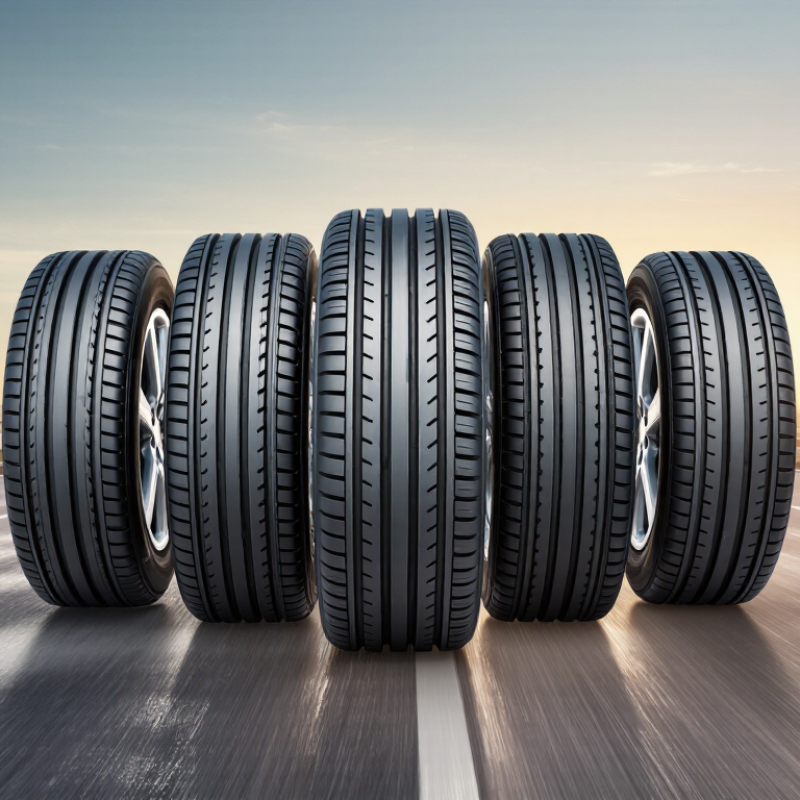
How to Choose the Best Premium Tires for Your Vehicle?

Identify Your Driving Needs and Road Conditions

Choosing premium tires starts with an honest look at your regular routes. Do you spend mornings on wet highways, drive through unplowed streets, or mostly cross town on dry pavement? Those details matter more than a sporty tread pattern. AAA’s 2018 tire tests found winter tires could stop up to 33 percent shorter than all-season tires on snow. If snow and freezing temperatures are routine, that difference deserves attention. In mild climates, prioritize wet-road braking, quietness, and a tread design suited to frequent rain. Check your vehicle manual for the correct tire size and load rating; a tire that looks right may still be unsuitable.

Think about the small, repeated demands on your tires. Stop-and-go traffic, rough shoulders, heavy cargo, and long commutes all affect what you need. For highway driving in heavy rain, look for strong wet-grip performance and dependable water evacuation, not just a high mileage promise. For gravel or poorly maintained roads, sidewall durability may matter more. A trade-off remains: a more aggressive tread can feel louder on smooth pavement. There is no perfect tire. The U.S. Department of Energy’s FuelEconomy.gov notes that proper inflation can improve fuel economy by about 0.6 percent on average, and up to 3 percent in some cases. Your route is only part of the choice; check pressure regularly, since even a well-matched tire can underperform when neglected.

Check Your Vehicle’s Tire Size and Load Requirements

Before comparing premium tires, find the exact size specified for your vehicle. Check the placard inside the driver’s door or consult the owner’s manual. A size such as 225/60R17 describes width, profile, construction, and wheel diameter. Each part matters. A tire that looks close may still alter handling or fit poorly.

Check the load index as well as the size. The load index indicates how much weight each tire can carry, and your vehicle requires tires that meet its stated rating. Do not assume a higher price means a suitable tire. If your vehicle specifies reinforced or extra-load tires, confirm that the replacement meets the same requirement. Small numbers matter. The sidewall can help you verify the tire currently fitted, but it may not show what your vehicle requires. That detail is easy to miss.

Also compare the speed rating and follow the recommended tire pressure on the door placard, not the maximum pressure printed on the tire. I’d double-check the numbers before ordering; even careful shoppers can confuse a wheel diameter with a tire width. A quick visual check is not enough. If the placard is missing or the vehicle has modified wheels, ask a qualified tire professional to confirm fitment and load capacity. Do not guess.

Compare Premium Tire Performance and Construction

Premium tires are not defined by price alone. Compare their tested performance and internal construction against your vehicle’s needs. A silica-rich tread compound may improve wet grip, while a firmer compound can favor tread life. Results vary with temperature, road texture, and driving style. Look for independent tests that report wet braking, handling, cabin noise, and rolling resistance. One impressive number is not enough.

Construction matters, too. Some tires use reinforced sidewalls for sharper steering response; others flex more, helping soften bumps. Belt materials and tread-block design affect stability, heat control, and noise. Check the load index and speed rating against the vehicle placard or manual, rather than choosing by appearance. It is tempting to assume a wider tread always feels more secure, but standing water can change that picture. Tread depth, pressure, alignment, and rotation also shape real-world results. Premium doesn't cancel maintenance.

Tips: Compare tires in the same size and review test conditions. Check warranty terms and the tire’s production date. After installation, note braking feel and uneven wear over several weeks; one short drive is a poor verdict.

How to Choose the Best Premium Tires for Your Vehicle? - Compare Premium Tire Performance and Construction

Tire Category Typical Construction and Tread Design Dry-Road Performance Wet-Road Performance Cold-Weather and Snow Use Comfort and Noise Best Suited For Main Trade-Off
Touring All-Season Radial construction with a tread pattern designed for year-round use; circumferential grooves and smaller tread features help channel water and provide traction in light snow. Predictable handling for everyday driving; generally prioritizes stability and longevity over maximum cornering grip. Designed to maintain traction in rain, though capability varies with tread condition and temperature. Suitable for mild winter conditions and occasional light snow; not a substitute for a dedicated winter tire in severe cold or frequent snow. Usually tuned for a smooth, quiet ride. Commuters, family vehicles, and drivers seeking one set of tires for varied conditions. Less grip and steering response than a specialized summer tire; limited capability in severe winter weather.
Grand Touring All-Season Typically uses a refined radial design with a tread optimized to balance comfort, highway stability, wet traction, and light-snow performance. Stable and composed at highway speeds, with handling suited to regular road use rather than track driving. Grooves and tread features are designed to evacuate water and support wet-road traction. Can handle some light snow, but performance depends on the tire’s winter rating and conditions. Often emphasizes ride comfort and reduced road noise. Sedans and crossovers driven mainly on paved roads, including longer highway trips. Balanced performance means it may not excel in extreme heat, deep snow, or aggressive driving.
Max-Performance Summer Uses a warm-weather tread compound and large tread blocks; the pattern typically has fewer snow-oriented features than an all-season design. Offers strong dry grip and responsive handling when used within its intended temperature range. Many designs provide capable wet handling, but standing water still creates a hydroplaning risk for any tire. Not intended for snow or near-freezing conditions; the compound can lose flexibility as temperatures fall. May transmit more road texture and noise than comfort-focused touring tires. Performance-oriented cars used primarily in warm weather. Limited cold-weather and snow capability; tread life and ride comfort may be lower than touring-focused options.
Dedicated Winter Uses a cold-flexible tread compound with many sipes and winter-focused tread blocks; some versions carry the Three-Peak Mountain Snowflake symbol for qualifying severe-snow performance. Provides usable traction in cold conditions, but is generally less suited to warm-weather handling than a summer or all-season tire. Winter tread features are designed for cold, wet roads as well as snow and slush. Best suited to sustained cold, snow, and icy conditions; a winter tire still cannot eliminate the risks of slippery roads. Can be noisier or feel less precise on clear roads, especially in warmer weather. Drivers who regularly encounter cold winters, snow, or icy roads. Should generally be replaced with an appropriate warm-weather set as seasons change; faster wear is possible in warm conditions.
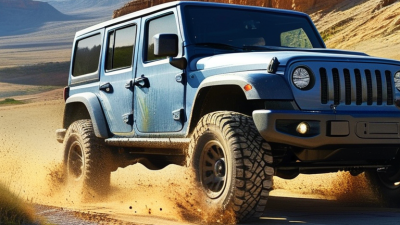
All-Terrain Radial construction with more open tread blocks and deeper-looking grooves than typical highway tires; some models are marked for severe-snow service. Provides useful grip on mixed surfaces, though steering response and braking feel on pavement may differ from road-focused tires. Designed for varied surfaces; wet-road behavior depends on the tread design, vehicle, and tire condition. Some models are rated for severe snow, while others are not; check the tire’s markings and specifications. More open tread designs can create additional road noise and a firmer ride on pavement. Pickups and SUVs used on both paved roads and unpaved or gravel routes. Typically compromises some highway quietness, comfort, and fuel efficiency compared with road-focused tires.

Selection note: These are general category-level characteristics, not guaranteed specifications for every tire. Compare the exact tire size, load index, speed rating, approved vehicle fitment, seasonal markings, warranty details, and independent test results before purchasing. Tire performance also depends on inflation, alignment, tread wear, vehicle condition, and driving conditions.

Evaluate Tread Life, Warranty, and Ownership Costs

Premium tires can offer longer tread life, but the mileage estimate is not a promise. Compare the expected lifespan with your annual driving and road conditions. A tire used on rough pavement may wear faster than one driven mostly on smooth roads. Check the treadwear rating, but treat it as a comparison tool, not a precise forecast. Numbers help, but they are not promises. Also confirm the tire size and load rating match your vehicle.

Read the warranty carefully before paying extra for coverage. Some warranties require regular rotations, documented inspections, and proof of purchase. Missed maintenance can affect a claim. Keep receipts and note the mileage at each service visit. A warranty may cover premature wear, but it rarely pays every related expense. That detail matters.

Compare ownership costs, not just the price on the shelf. Include installation, balancing, rotations, and possible differences in fuel use. A quieter ride or stronger wet-road grip may be worth the added cost for your daily commute, but the benefit depends on your routes and habits. Ask a tire professional how the options fit your vehicle and driving pattern. It is easy to overvalue a long warranty; a tire you maintain consistently may serve you better than coverage you never use.

Select the Best Match and Arrange Professional Installation

Choosing a premium tire means matching its strengths to your actual driving, not simply buying the highest-rated option. Check the size, load index, and speed rating listed in your owner’s manual or door-jamb placard. Then consider your routes: frequent rain calls for confident wet braking, while rough streets may make ride comfort more important. For mixed seasons, compare temperature and traction ratings, too. Small details matter.

Before booking, ask the installer to confirm the tires suit your vehicle and driving conditions. Have them inspect the wheels, valve stems, and tire-pressure monitoring sensors, then balance the wheels and set pressure to the vehicle’s placard—not the tire sidewall’s maximum. If replacing only two tires, ask where they should be fitted; vehicle type and manufacturer guidance can affect the answer. No rating captures every road.

Professional installation also gives you a useful baseline for maintenance. The U.S. Department of Energy reports that correct inflation can improve fuel economy by up to 3%; a 1-psi drop across all tires can reduce it by about 0.2%. Ask the technician to show you the cold-pressure target and explain any alignment concerns. That conversation is easy to skip. Don’t.