
7 Tips to Choose the Best 29inch MTB Electric Bike?
A 29inch MTB electric bike can make rough trails feel more manageable, but wheel size alone does not determine whether a bike suits you. Frame fit, motor response, battery range, braking power, and suspension all shape the ride. Small details matter. A steep climb may expose limited gearing, while a long descent quickly tests brake control and tire grip. These differences are easy to miss in a product photo. A motor’s wattage rating also cannot tell you exactly how smoothly it will deliver power on a loose, rocky switchback.
Choosing well starts with matching the bike to your routes, body, and riding habits. Check the frame geometry and stand-over height, then compare motor torque and battery capacity under realistic conditions, not just optimistic range claims. Look for dependable components, suitable tires, and a clear warranty with accessible service support. If possible, test the bike on a climb and uneven ground; a quick parking-lot spin cannot reveal everything. No single specification guarantees comfort or reliability. Personal preference matters, too: a powerful motor may feel abrupt, while a firm fork can tire your hands on a long ride. That trade-off is real. These seven practical tips will help you compare models, question appealing claims, and choose a 29inch MTB electric bike that feels capable on your trails and manageable in everyday use. Specs are only part of the story.
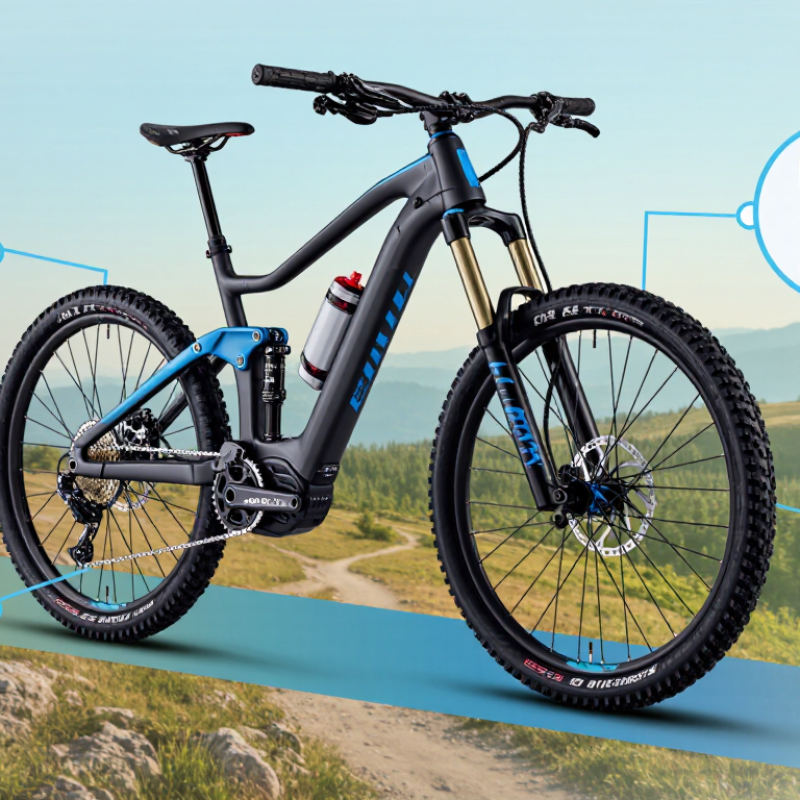
Assess Your Riding Needs and Confirm 29-Inch Wheel Fit
Choosing the best 29-inch MTB electric bike starts with your actual riding, not the wheel advertisement. The 2023 Outdoor Industry Association Outdoor Participation Trends Report recorded 54.7 million U.S. bicycling participants. That figure reflects varied users, from paved-path riders to technical trail riders. Your terrain matters more than popularity.
A 29-inch wheel rolls smoothly over roots and loose stones. It also needs more frame space. Measure your inseam, then compare it with the bike’s standover height. Leave several centimeters of clearance for sudden stops and uneven ground. Check reach carefully. A long cockpit can strain your shoulders on steep climbs. A short cockpit may feel cramped during descents.
Fit the bike to your body.
For riders below average height, a 29-inch frame may limit saddle adjustment or toe clearance. Do not assume a smaller frame solves everything. Review the manufacturer’s geometry chart, tire clearance, crank length, and suspension travel. ISO 4210 safety standards address bicycle design and testing, but they do not guarantee personal comfort. A qualified shop fitting remains valuable.
I once focused on wheel rollover and ignored handlebar width. My first technical ride felt awkward, despite the bike’s strong traction. That mistake still influences my checks. Test the motor’s assistance on your usual gradient, not only on flat pavement. Confirm braking control, battery placement, and low-speed balance. A short test ride can expose problems that specifications hide.
7 Tips to Choose the Best 29inch MTB Electric Bike? - Assess Your Riding Needs and Confirm 29-Inch Wheel Fit
| Tip | Selection Dimension | What to Assess | Practical Reference Data | How to Confirm the Fit or Specification |
|---|---|---|---|---|
| 1 | Define your riding terrain | Identify whether your routes are mainly paved roads, gravel paths, forest trails, rocky singletrack, or steep off-road climbs. | Hardtail designs are generally suited to commuting, gravel, and moderate trails. Full-suspension designs provide more control and comfort on repeated roots, rocks, and technical descents. | Choose the suspension layout and tire tread for the terrain you ride most often, rather than for occasional use. |
| 2 | Confirm 29-inch wheel compatibility | Check that the frame, fork, brakes, and tire clearance are all designed for 29-inch wheels. | A 29-inch mountain-bike wheel uses an ISO rim seat diameter of approximately 622 mm. Actual outside diameter varies with tire width and tread height. | Look for explicit 29-inch wheel support and verify the maximum approved tire width. Do not assume that a larger tire will fit simply because the rim diameter matches. |
| 3 | Match frame size to rider height and inseam | Compare the manufacturer’s frame-size chart with your height and inside-leg measurement. | Typical adult mountain-bike frame sizes range from approximately XS to XL, but size boundaries differ by geometry. Standover clearance and reach are often more useful than height alone. | Measure inseam barefoot, check the listed standover height, and allow comfortable clearance when standing over the top tube. |
| 4 | Evaluate motor assistance | Consider climbing ability, rider weight, cargo, trail gradients, and the amount of pedaling effort you want to provide. | Motor output is commonly described by nominal power and torque. Torque figures around 50–85 Nm are often relevant for demanding off-road climbs, but performance also depends on gearing, battery state, software, and total system weight. | Prioritize a progressive pedal-assist response, suitable low gearing, and clearly stated continuous or nominal power information. |
| 5 | Choose useful battery capacity | Estimate the distance, elevation gain, temperature, assistance level, rider weight, tire pressure, and expected charging access. | Battery energy is calculated as voltage multiplied by ampere-hours. For example, a 500 Wh battery stores more energy than a 400 Wh battery at comparable conditions, but real range is not fixed. | Use watt-hours rather than ampere-hours alone when comparing batteries, and select a removable battery if indoor charging is important. |
| 6 | Check control, braking, and suspension equipment | Higher speed and added e-bike weight increase the importance of predictable braking, traction, and impact control. | Hydraulic disc brakes usually provide stronger modulation than basic mechanical systems. Front suspension commonly ranges from about 100–150 mm on cross-country and trail-oriented models. | Check rotor size, brake adjustment, fork travel, lockout function, rebound adjustment, and whether the equipment suits your terrain and total load. |
| 7 | Verify legal, safety, and service requirements | Confirm that the bicycle complies with the rules where it will be ridden and that replacement parts and maintenance support are available. | Rules for motor assistance, maximum assisted speed, throttle use, lighting, helmet requirements, and trail access vary by location. Component standards also affect repairability. | Before purchase, verify local e-bike regulations, charger safety information, total weight rating, warranty terms, service availability, and common replacement parts. |