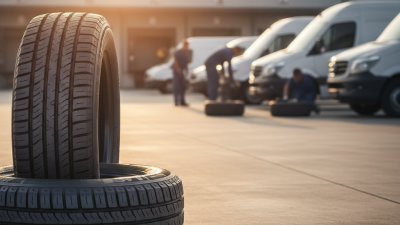
Choosing premium traction tires in 2026 requires more than trusting a familiar brand name. Road surfaces, vehicle weight, weather patterns, and driving habits all change tire performance. A quiet highway tire may struggle on a wet hill. A winter-focused design may feel less responsive on warm asphalt.
Industry data supports careful comparison. The U.S. Tire Manufacturers Association reports that Americans purchase hundreds of millions of replacement tires each year, making tire selection a major safety decision. J.D. Power’s recent U.S. Tire Customer Satisfaction studies also show meaningful differences among brands, especially in ride comfort, appearance, and handling. Meanwhile, European Tyre Label ratings provide standardized information about wet grip, rolling resistance, and external noise. These ratings help, but they do not recreate your driveway during freezing rain.
Michelin technical expert Cyrille Roget has stated, “The tyre is the only point of contact between the vehicle and the road.” That small contact patch carries a serious responsibility. Premium traction tires should therefore be judged through compound design, tread depth, siping, sidewall strength, and independent testing. Look closely at braking results, not only marketing claims. Check whether the test used snow, standing water, gravel, or dry pavement. The details matter.
There is no perfect tire for every driver. That is easy to forget. A sensible choice matches local climate, annual mileage, vehicle specifications, and personal risk tolerance. This guide examines those factors, using current industry evidence while acknowledging one uncomfortable truth: premium pricing does not guarantee superior traction in every situation.
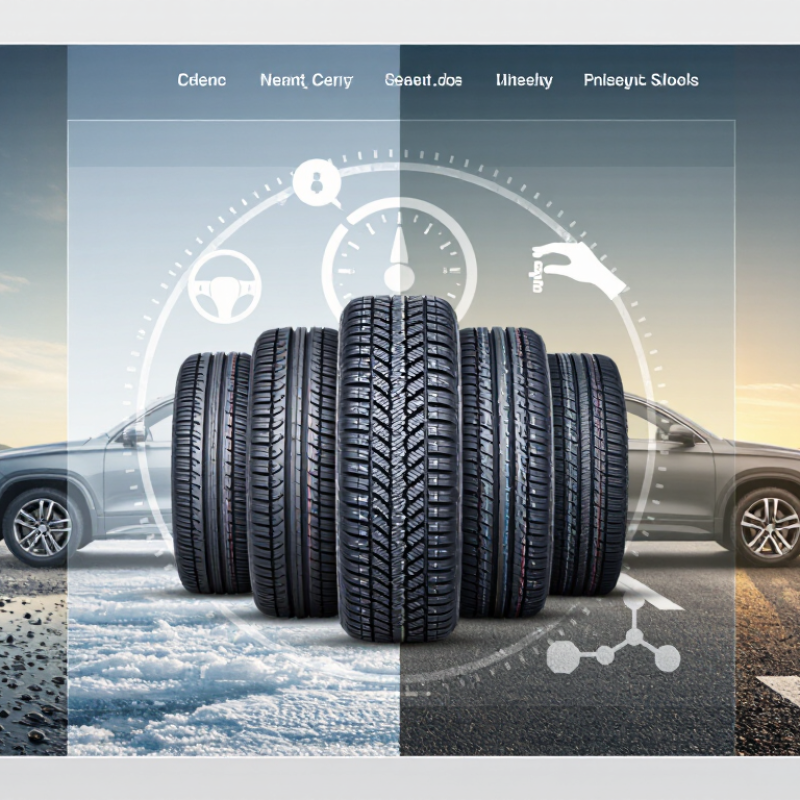
Premium traction tires are engineered to maintain grip when roads become wet, icy, loose, or uneven.
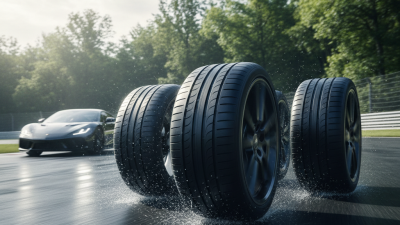
They use advanced rubber compounds, deeper siping, and stronger internal structures. These features help the tread remain flexible in cold weather. They also improve braking control during sudden rain.
A premium tire is not simply the most expensive option.
It should match the vehicle’s weight, torque, speed rating, and typical road conditions. In 2026, this matters more for electric vehicles. Their instant torque can stress tread blocks during acceleration. Their heavier battery packs can also increase heat and wear.
I have found that load capacity deserves as much attention as snow performance. It is easy to overlook.
Look closely at certified wet-grip data, severe-snow markings, tread-wear testing, and rolling resistance.
Independent test results are useful, but they cannot represent every climate. A tire that feels stable on packed snow may perform poorly in heavy rain.
Urban delivery fleets may need quiet traction tires with reinforced sidewalls.
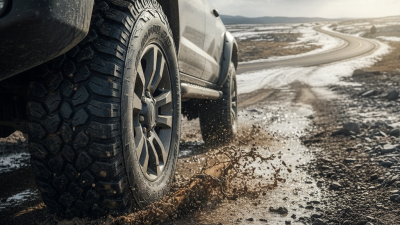
Rural drivers may prioritize mud evacuation and uneven-surface stability.
Advanced driver-assistance systems also depend on predictable tire response. Small differences in grip can affect braking alerts and steering corrections.
Still, no tire defeats poor speed choices or worn suspension parts.
Check pressure often. Rotate them carefully. Real roads remain unpredictable.
How to Choose Premium Traction Tires in 2026?
Choosing a premium traction tire starts with the vehicle, not the advertisement. Check the door-jamb placard for size, load index, and cold inflation pressure. A heavier electric vehicle may need stronger casing support and higher load capacity. Confirm these figures in the owner’s manual. I have seen drivers select aggressive tread, then discover vague steering on dry highways. That mistake is expensive.
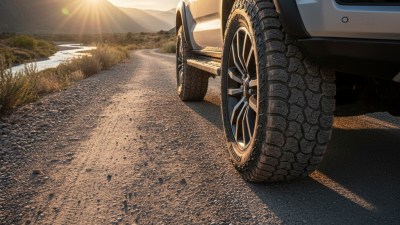
Terrain changes the decision. Highway drivers need stable ribs, controlled noise, and predictable braking. Gravel roads demand tougher sidewalls and open shoulder grooves. In snow, deeper sipes can improve bite, but they may soften steering response. The FHWA reports that wet pavement contributes to about 74% of weather-related crashes. Rainfall itself appears in roughly 46% of those crashes, according to its Road Weather Management Program. Wet grip deserves serious attention. Load matters too. Underinflation increases heat and flexing, while overloading can reduce handling reserves.
Tips: Match the tire’s load index to real cargo, passengers, and towing needs. Measure pressure when tires are cold. Rotate according to the service schedule, but inspect tread wear yourself. Uneven shoulder wear may reveal alignment or pressure problems. Do not judge traction from tread depth alone. Compound behavior, siping, casing stiffness, and temperature range also matter. The U.S. Department of Transportation recommends replacing tires with visible damage or severely worn tread. A premium choice is not always the most aggressive one. It is the one that fits your roads, weather, and actual load.
Use this application-based guide to match tire construction, tread design, traction performance, and load capacity with your actual driving conditions.
| Driving Profile | Vehicle Type | Primary Terrain | Weather Exposure | Typical Load Requirement | Recommended Tire Characteristics | Key Performance Priority | Traction Focus |
|---|---|---|---|---|---|---|---|
| Urban commuting | Passenger car, compact SUV, or crossover | Sealed roads, asphalt, concrete, and parking areas | DryFrequent rain | Normal passenger load with occasional luggage | All-season tread with wide circumferential grooves, stable shoulder blocks, low rolling resistance, and strong wet-braking capability | Wet-road control and comfort | Moderate |
| Highway travel | Passenger car, crossover, SUV, or light-duty pickup | Long-distance paved highways and high-speed roads | DryRainLight snow | Passengers, cargo, and sustained highway operation | Symmetric or controlled-asymmetric tread, reinforced casing, strong straight-line stability, low noise, and speed capability appropriate to the vehicle | Stability, braking, and durability | Moderate–High |
| Mountain winter driving | Passenger car, SUV, or crossover | Plowed roads, steep grades, packed snow, and icy sections | SnowIceFreezing rain | Normal passenger load; frequent elevation changes | Dedicated winter compound that remains flexible in low temperatures, dense siping, open grooves, and certified severe-snow performance where required | Snow and ice grip | Very High |
| Mixed rural roads | Pickup, SUV, crossover, or utility van | Asphalt, gravel, hard-packed dirt, and uneven shoulders | DryRainOccasional snow | Passengers, tools, or moderate cargo | All-terrain tread with reinforced sidewalls, staggered shoulder lugs, stone-ejecting grooves, and balanced on-road manners | Versatility and casing protection | High |
| Construction access | Light-duty pickup, work van, or service vehicle | Gravel, broken pavement, compacted soil, and job-site access roads | DryMud after rain | Frequent tools, equipment, and heavier-than-average cargo | Heavy-duty all-terrain construction, cut- and chip-resistant compound, reinforced sidewalls, high load-range capability, and durable tread blocks | Load support and damage resistance | High |
| Deep mud and loose soil | 4x4 pickup or off-road SUV | Deep mud, clay, loose soil, and rutted trails | WetMud | Passengers plus recovery gear or recreational equipment | Mud-terrain tread with large self-cleaning voids, aggressive shoulder lugs, strong sidewall protection, and a casing designed for reduced-pressure off-road use | Self-cleaning traction | Very High |
| Rocky technical trails | 4x4 SUV, pickup, or specialized off-road vehicle | Sharp rocks, ledges, gravel, and low-speed technical terrain | DryWet rock | Passengers, protection equipment, and recovery tools | Strong sidewalls, reinforced bead area, flexible off-road casing, durable compound, and tread blocks that provide controlled conformability on uneven surfaces | Puncture resistance and grip | Very High |
| Heavy towing | Pickup, body-on-frame SUV, or commercial light truck | Paved roads, ramps, grades, and occasional gravel | DryRainSeasonal snow | Trailer tongue weight, cargo, passengers, and sustained thermal load | Load capacity above the calculated axle requirement, reinforced casing, stable tread pattern, strong wet braking, and adequate heat management | Load stability and heat control | High |
| Commercial delivery | Light commercial van or small truck | Urban streets, highways, loading areas, and curbs | DryRain | Repeated payloads near the vehicle's rated capacity | Commercial-duty casing, high load index, reinforced sidewalls, even-wear tread, strong wet traction, and resistance to repeated stop-and-go cycles | Payload durability and mileage | Moderate–High |
| Winter commercial service | Delivery van, utility van, or light truck | Plowed streets, untreated roads, ramps, and service routes | SnowIceSlush | Regular commercial payload with frequent stops | Winter-rated commercial tire with cold-flexible compound, dense siping, open water channels, strong casing, and load capacity matched to the fully loaded axle | Cold-weather braking and control | Very High |
| Long-distance overland travel | Expedition SUV, pickup, or camper conversion | Pavement, gravel, sand, dirt roads, and remote tracks | DryRainVariable | High vehicle mass, camping equipment, water, and spare gear | Load-rated all-terrain construction, reinforced casing, balanced tread voids, strong sidewalls, reliable highway stability, and compatibility with the vehicle's operating pressure range | Range, durability, and versatility | High |
| Sand and beach access | 4x4 pickup or SUV | Loose sand, dunes, and sandy access roads | DryOccasional wet sand | Passengers, recovery equipment, and recreational cargo | Wide flotation-oriented footprint, flexible casing, rounded shoulders, moderate tread voids, and a pressure range approved for the tire and vehicle | Flotation and controlled propulsion | High |
| Frequent mixed-season use | Any passenger vehicle or light truck | Mostly paved roads with occasional unpaved surfaces | DryRainLight snow | Normal daily load with occasional towing or cargo | Premium all-weather or all-terrain design selected within the vehicle's approved size, load index, speed rating, and seasonal requirements | Balanced year-round performance | Moderate–High |
Selection rule: Confirm the vehicle placard and owner's manual before purchase. The replacement tire should meet or exceed the original equipment size, load index, speed rating, and approved fitment requirements.
Load check: Calculate the actual vehicle weight, passengers, cargo, trailer tongue weight, and axle distribution. Never exceed the vehicle's gross axle weight rating, gross vehicle weight rating, wheel capacity, or tire load limit.
Pressure and maintenance: Set cold inflation pressure according to the vehicle manufacturer's specification, inspect tread and sidewalls regularly, and rotate tires according to the vehicle and tire-service recommendations.
Important: Traction performance also depends on drivetrain, vehicle electronics, alignment, tire age, inflation pressure, tread depth, and driver behavior. No tire can eliminate the risks of excessive speed or unsuitable road conditions.
How to Choose Premium Traction Tires in 2026?
Tread design should match your actual roads, not showroom claims. Dense zigzag sipes create biting edges on packed snow and wet pavement. Wider grooves help evacuate water during heavy rain. However, aggressive blocks can feel noisy and wear unevenly on dry highways. The European Commission’s tyre-label impact assessment indicates that one wet-grip class can represent roughly 3–6 metres of stopping distance. That difference matters near a crosswalk.
Rubber compounds often decide performance below the tread surface. Silica-rich formulations can maintain flexibility in cold weather while controlling rolling resistance. Softer compounds usually improve winter grip, but they may wear faster during warm months. The U.S. Tire Manufacturers Association’s 2024 safety guidance stresses that inflation pressure strongly affects handling, heat buildup, and tread life. Check pressure when tires are cold. Small errors matter. I still question any claim promising excellent grip, silence, and maximum mileage simultaneously.
Look for verified technologies, not decorative features. The Three-Peak Mountain Snowflake certification indicates tested severe-snow performance, while all-season markings may provide less dependable winter traction. Some premium tires use reinforced shoulders, optimized pitch sequencing, or embedded wear indicators. These features can improve stability and serviceability, but road temperature, alignment, and driving habits remain decisive. NHTSA tire-safety guidance recommends regular inspections for cracks, bulges, and uneven wear. A tire can have advanced tread and still fail practical expectations. Your route history is better evidence than advertising.
Choosing premium traction tires in 2026 requires more than selecting the deepest tread. Safety ratings deserve close inspection. The U.S. Tire Manufacturers Association recommends checking inflation monthly and replacing tires at 2/32-inch tread depth. Its Tire Care and Safety Guide also advises professional inspection after five years. That matters because wet braking can deteriorate before the tread looks seriously worn. Look for certified wet-grip, snow, or severe-snow ratings where applicable. Independent tests remain useful, but test conditions never match every road.
Durability depends on casing strength, tread compound, heat control, and driving habits. The 2024 J.D. Power U.S. Original Equipment Tire Customer Satisfaction Study found tire performance and wear remain major ownership concerns. Read the warranty carefully. Some warranties cover workmanship, while others include mileage or road-hazard limits. These terms are not interchangeable. Keep receipts and rotation records.
Compatibility is equally important. Match the vehicle’s approved size, load index, and speed rating. Confirm clearance around suspension parts, especially after wheel changes. Electric vehicles may need tires designed for higher load and torque. Check pressure when the tires are cold. A digital gauge is inexpensive. Small errors matter.
Do not trust a premium label blindly. Industry tests can disagree. A tire that excels in snow may feel less precise on dry pavement. That trade-off is easy to overlook. Choose according to climate, cargo, driving speed, and replacement support—not appearance alone.
How to Choose Premium Traction Tires in 2026?
Premium traction tires should be judged by complete ownership cost, not the shelf price. A tire that costs more may reduce braking risk, replacement frequency, and seasonal disruption. I compare tread depth, compound behavior, wet braking data, and warranty terms before purchasing. Real roads matter. A tire that feels stable on packed snow may become noisy or soft on warm asphalt.
Installation needs can change the budget quickly. Many vehicles require tire-pressure sensor checks, alignment inspections, and careful torque settings. Larger wheels may demand special tools or extra labor, especially with stiff sidewalls. Ask for a written estimate covering mounting, balancing, valve service, disposal, and seasonal storage. Skipping alignment is tempting, but uneven wear can erase expected savings within one winter. That assumption deserves testing.
Long-term value depends on how and where you drive. A commuter covering 20,000 miles yearly needs different priorities than a rural driver facing frequent ice. Track tread wear every few months, and record pressure changes after temperature drops. Quiet performance is useful, but dependable control matters more during sudden rain or emergency braking. I would question optimistic mileage estimates; driving style, vehicle load, and road texture can shorten them. The best choice balances purchase cost, installation demands, safety performance, and realistic service life.
Five-year ownership cost is influenced by purchase price, installation, seasonal changes, maintenance, and replacement frequency. Premium traction tires generally require a higher initial investment but may deliver longer service life and more consistent performance in wet, snow, and cold-weather conditions.
Cost model: four tires, annual driving distance of 15,000 miles, one installation and balancing service, seasonal storage excluded. Values are representative 2026 planning estimates in USD and should be verified against local prices, vehicle requirements, tire size, driving conditions, and warranty terms.