How to Choose Premium Tires for Your Vehicle?
Choosing the right tires is crucial for your vehicle's performance. Premium tires can make a significant difference in safety and handling. According to a report by Tire Research Institute, premium tires can reduce braking distance by up to 30%. This improvement can be vital in emergency situations.
Many drivers overlook the importance of high-quality tires. They tend to prioritize cost over performance. However, investing in premium tires can enhance fuel efficiency, offering better mileage due to advanced tread designs. The National Highway Traffic Safety Administration stated that tires are a major factor in road safety.
Selecting premium tires requires careful consideration. Factors include tread life, traction, and weather compatibility. While budget options might seem appealing, they often lack durability and safety features. Reflecting on your driving habits is essential; it may be time to rethink your choices for the road ahead.
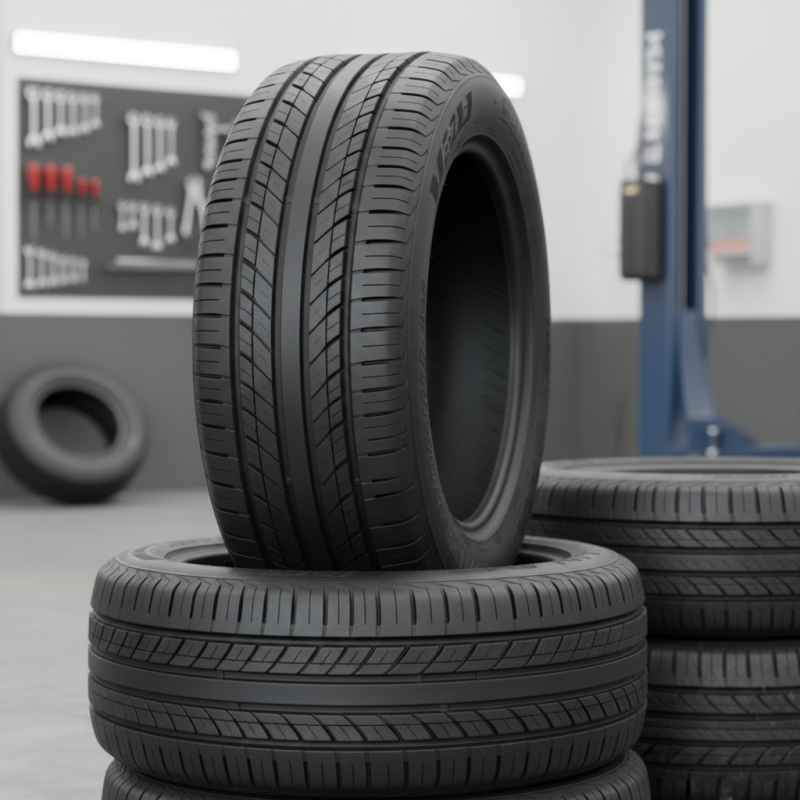
Understanding the Importance of Premium Tires for Vehicle Performance
Choosing premium tires is crucial for vehicle performance. They enhance grip, stability, and safety. High-quality tires provide better control, especially in adverse conditions. This can significantly impact braking distance and cornering ability.
When selecting tires, consider the climate. Summer tires suit warm weather, while winter tires perform better in cold and snowy conditions. All-season tires offer versatility but may compromise performance.
Tips: Always check tread depth. Worn-out tires can limit traction. Ensure proper tire pressure for optimal handling. Regular rotation and alignment are key to extending tire life. Reflect on your driving habits, and adjust tire choices accordingly. Each vehicle has unique requirements, so understanding your needs is essential.
How to Choose Premium Tires for Your Vehicle? - Understanding the Importance of Premium Tires for Vehicle Performance
| Tire Aspect |
Description |
Importance |
| Tread Design |
The pattern on the tire surface that affects traction and performance. |
Enhances grip, affects braking distances and handling. |
| Rubber Compound |
The mixture of materials that form the tire rubber, affecting performance properties. |
Determines durability, traction, and tread wear. |
| Tire Size |
The dimensions of the tire, including width, aspect ratio, and diameter. |
Critical for vehicle compatibility, performance, and handling. |
| Load Index |
A numerical value representing the maximum load a tire can carry. |
Ensures safety by preventing tire overload during use. |
| Speed Rating |
An indicator of the maximum speed a tire can safely sustain. |
Important for maintaining safety at higher speeds. |
| Treadwear Warranty |
A guarantee from the manufacturer on the expected longevity of the tire. |
Provides assurance of quality and expected performance over time. |
| Aquaplaning Resistance |
The ability of a tire to prevent loss of traction on wet surfaces. |
Critical for safety in wet weather driving conditions. |
Key Factors to Consider When Choosing Premium Tires
Choosing premium tires for your vehicle is essential for
safety and performance. Several factors
play a crucial role in this decision. Tire size is fundamental. Your vehicle's manual
provides the necessary specifications. Ignoring this can lead to poor handling or a rough ride.
Consider the tire tread pattern. A good tread pattern affects traction
and braking. Some patterns suit wet conditions, while others excel in dry weather.
It is vital to match the tire type to your driving environment. The rubber compound also
matters. Softer compounds offer better grip but wear faster. Harder compounds last longer
but may compromise performance.
Another key factor is the load capacity. Tires need to support your vehicle's
weight, especially when loaded. Underestimating this can lead to blowouts. Always check
the load index on the tire specifications. Depending on the driving habits, you should also
think about noise levels. Some tires are quieter than others.
While it may seem minor, this can affect comfort during long drives. Finally, don't forget about
the price. Premium tires can be an investment, but cheaper
options may cause regret later on. Consider your priorities wisely.
Types of Premium Tires and Their Best Uses
When choosing premium tires, understanding their types and best uses is crucial.
All-season tires offer good versatility. They perform well in various weather conditions. This makes them ideal for daily driving. They provide comfort, decent traction, and durability. However, they may not excel in extreme conditions.
Winter tires are designed for cold climates. They feature a unique tread pattern for better grip on snow and ice. If you live in an area with harsh winters, these tires are essential. They can make winter driving safer. But remember, using winter tires in warm weather can wear them out faster.
For high-performance driving, consider summer tires. They provide excellent handling and braking. Their rubber composition allows for better traction in dry and wet conditions. Yet, they may not perform well in freezing temperatures. You might need to evaluate your driving habits.
Tips: Choose the right tire for your needs. Consider climate and driving style. Sometimes, it's worth spending a bit more on quality. Quality tires can improve safety and comfort. Keep an eye on tire age, as it affects performance too. Check for wear and tear regularly to ensure safety on the road.
Reading Tire Specifications: What You Need to Know
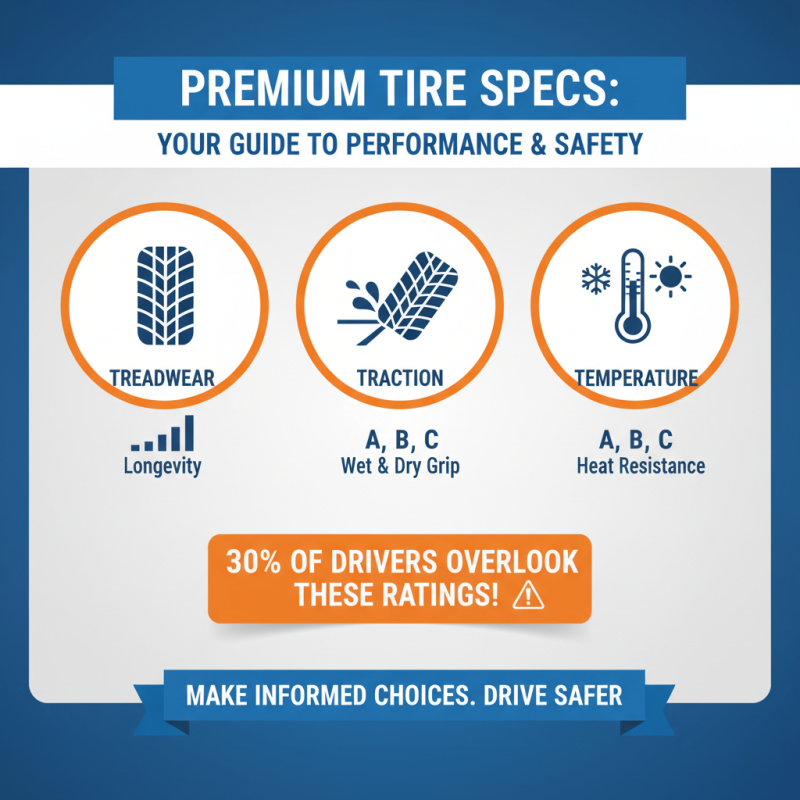
When choosing premium tires, understanding tire specifications is crucial. Specifications indicate the performance and safety of tires. Key terms include treadwear, traction, and temperature ratings. According to the Tire Industry Association, nearly 30% of drivers overlook these ratings. This can lead to poor tire choices.
For instance, treadwear ratings inform how long a tire may last. A tire with a rating of 400 offers better durability than one rated at 200. Additionally, traction ratings reflect the tire's grip on wet surfaces. Studies show that higher traction scores reduce stopping distances by 20%. Ignoring these can compromise safety.
Temperature ratings measure a tire's ability to dissipate heat. A tire rated for high temperatures can prevent blowouts. Sadly, many consumers do not consider this. A report from the National Highway Traffic Safety Administration suggests improper tire choice contributes to 400 fatalities yearly. Pay attention to these specifications. Not all premium tires are equal; informed decisions matter.
Maintaining Your Premium Tires for Longevity and Safety
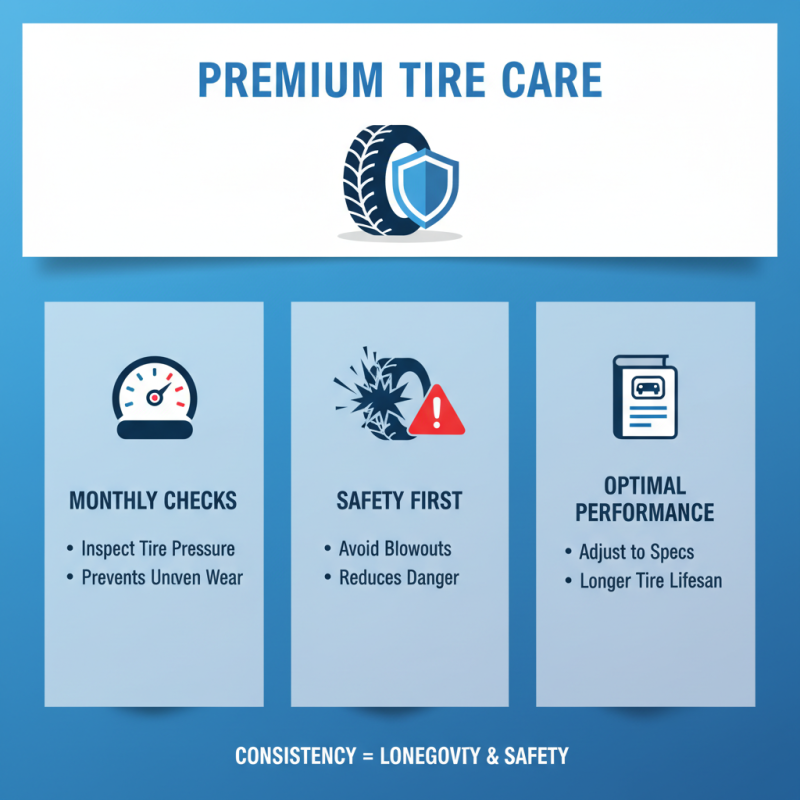
Maintaining premium tires is essential for both longevity and safety. Regularly inspecting tire pressure can prevent uneven wear. Low pressure can lead to blowouts, which are dangerous. Ideally, check your tires monthly. Adjust them according to the manufacturer's specifications. This simple task can make a significant difference.
Tread depth is another crucial factor. Worn tires have reduced grip, especially in wet conditions. Invest in a tread depth gauge to monitor wear. Aim to replace tires when tread depth dips below recommended levels. Remember, the cost of new tires is much lower than an accident caused by poor traction.
Don’t forget about rotation. Rotating tires helps ensure even wear across all four. This can extend the life of your tires significantly. You might forget this step, but don’t overlook it. Schedule this with oil changes or other maintenance tasks. Regular attention can save you money and ensure your safety on the road.