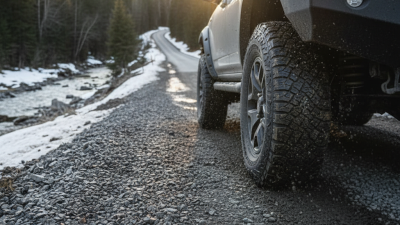
How to Choose Off Road Snow Tires for Better Traction?
Choosing the right off road snow tires can mean the difference between adventure and getting stuck. According to industry expert John Smith, "Quality off road snow tires are crucial for maintaining traction in extreme conditions." This emphasizes the importance of selecting the right tires for winter driving.
When venturing into snowy terrains, traction is not just a luxury; it is a necessity. Off road snow tires are specially designed to handle deep snow and icy surfaces. Their tread patterns are more aggressive than regular tires, providing better grip. However, not all off road snow tires are created equal. Some may not perform well in certain conditions.
Selecting off road snow tires requires careful consideration of various factors. Climate, terrain, and your vehicle type can influence your choice. Be wary of tires that look appealing but lack proven performance. Investigate reviews and talk to professionals. Remember, the right choice can enhance your safety and driving experience.
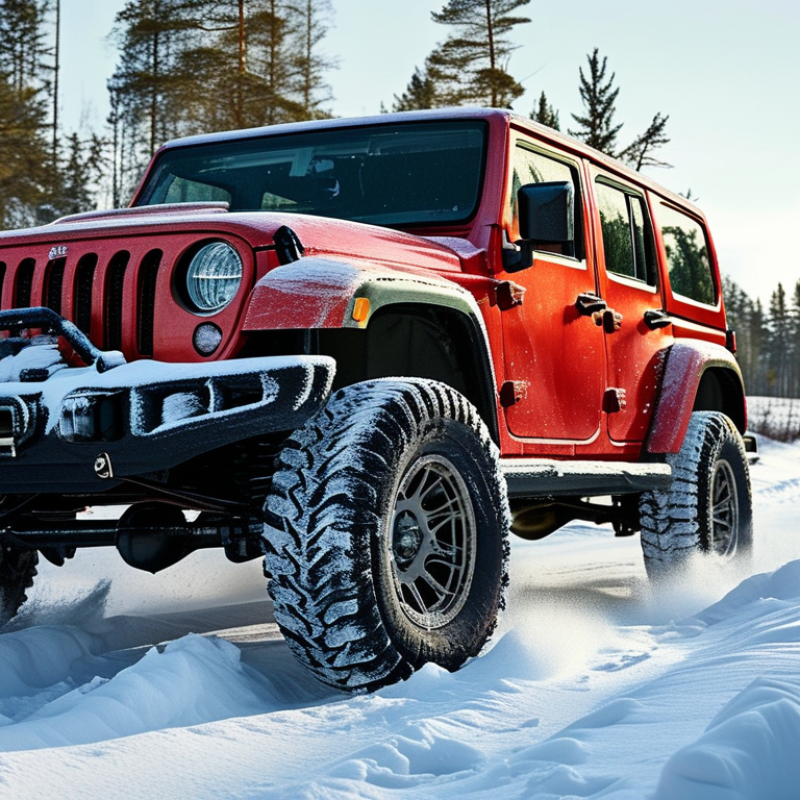
Understanding Off-Road Snow Tires and Their Importance for Traction
Choosing the right off-road snow tires is crucial for maintaining traction in challenging winter conditions. These tires feature specialized tread patterns designed to grip snow and ice effectively. Understanding their components can enhance your off-road adventures.
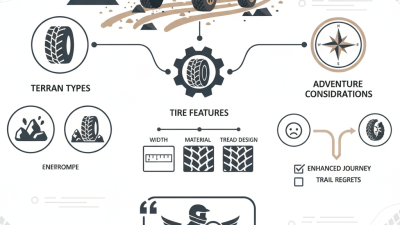
When selecting off-road snow tires, examine the tread depth. Deeper treads can help in loose snow. However, balance is essential. Tire width is also critical; wider tires may float over snow but could struggle with stability. Look for tires with a rubber compound that remains flexible in cold temperatures. This enhances grip when it matters most.
Tips: Check tire pressure regularly. Under-inflated tires can hinder traction. Consider the terrain you will encounter. Different conditions require different tires. Don't forget to rotate your tires for even wear. This helps maintain grip and prolongs tire life. Reflect on your driving habits and adapt your tire choices accordingly. Ensuring you have the right tires can make a significant difference in your off-road experience.
Key Features to Look for in Off-Road Snow Tires
When choosing off-road snow tires, it's crucial to focus on key features that enhance traction and safety. One of the most important aspects is the tread design. Look for deep treads with wide grooves. These features help channel snow and slush away from the tire. This more effectively bites into the winter terrain. Tires with an aggressive pattern offer better grip on icy surfaces.
Another important factor is the rubber compound. Off-road snow tires should contain specialized rubber that remains flexible in cold temperatures. This flexibility ensures better contact with the ground. Additionally, consider the tire size. Larger tires can provide more surface area, improving stability on uneven surfaces. Yet, going too big may affect vehicle handling; this is often overlooked.
While many focus on performance, durability shouldn't be ignored. Off-road tires must withstand rugged terrains and sharp objects. A tire may excel on snow but could quickly wear out on tough trails. It's essential to balance these features based on your specific driving needs. Remember to reflect on past experiences. What worked before? What didn’t? Instant decisions can lead to mismatched expectations. Choose wisely, and your tires will serve you well in snow-covered adventures.
Off-Road Snow Tires - Key Features Comparison
Evaluating Tread Patterns for Optimal Grip on Snow and Ice
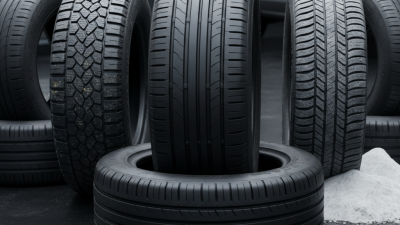
Choosing the right tread pattern is crucial for off-road snow tires. A well-designed tread pattern enhances grip on icy surfaces. Look for deep grooves and large lugs that can bite into snow. These features help channel slush and improve traction. However, not every tread pattern is suitable for all conditions. Some designs perform better on packed snow, while others excel in deep powder.
Different materials also affect performance. Softer rubber compounds can provide better grip at low temperatures. But, they may wear out faster on dry surfaces. Balance is key. A tire that offers great traction in snow might struggle on rocky terrain. Always consider your driving environment. Research and test various options to find the best fit for your needs.
Lastly, check reviews and seek advice from experts. Tire performance can vary widely based on vehicle type and driving style. A tire that excels in one situation might disappoint in another. Aim for a versatile option, keeping in mind that no tire is perfect for every condition. Stay informed and choose wisely.
How to Choose Off Road Snow Tires for Better Traction?
| Tire Type |
Tread Pattern |
Optimal Conditions |
Traction Rating |
Durability |
| Studded Tires |
Aggressive with metal studs |
Ice and hard-packed snow |
Excellent |
High |
| All-Terrain Tires |
Mixed pattern with wider grooves |
Fresh snow and off-road |
Good |
Medium |
| Snow Tires |
Deep grooves and sipes |
Soft, powdery snow |
Very Good |
Medium |
| Mud & Snow Tires |
Large lugs for gripping |
Wet and slippery conditions |
Good |
Low |
The Role of Tire Size and Compatibility in Off-Road Driving
Choosing the right off-road snow tires is essential for optimal traction. The size of your tires greatly influences your vehicle's performance in snowy conditions. Larger tires can provide more surface area, increasing grip on snow and ice. However, they can also change your vehicle's handling characteristics. It's crucial to weigh these factors carefully.
Compatibility is another key aspect. Not all tires fit every vehicle. Understanding your vehicle’s specifications ensures a proper fit. Mismatched sizes can lead to issues like uneven wear or handling problems. Be mindful of the manufacturer’s recommendations for tire sizes.
Consider the terrain you’ll encounter. If you're driving on deep snow or rugged trails, choosing tires designed for those conditions is vital. Analyze your driving style as well. Aggressive driving may demand a firmer tire. Remember, tire selection is not just personal preference; it can significantly affect safety and control. Regularly reassess your choices based on changing conditions and experiences.
Maintenance Tips for Extending the Life of Your Off-Road Snow Tires
Maintaining off-road snow tires is crucial for optimal performance. Regular checks are essential. Inspect for signs of wear and tear. Look for cracks, bulges, or tread wear. A worn tire can compromise safety and traction.
Tire pressure must be monitored frequently. Both overinflation and underinflation can lead to poor handling. Use a reliable gauge to ensure they are properly inflated. Cold temperatures affect tire pressure; adjust accordingly.
Cleaning tires after each off-road trip can extend their lifespan. Remove dirt, mud, and debris. This prevents buildup that can degrade rubber. Rotate tires regularly to promote even wear. It might seem tedious, but it can pay off in the long run.
Be mindful of storage conditions during off-seasons. Tires should be kept in a cool, dry place, away from direct sunlight. If they’re stored for long periods, consider using tire covers. This small step can prevent damage from harmful UV rays.