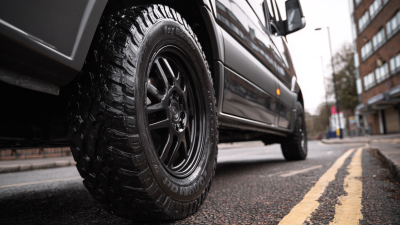
How to Choose the Best Van Tyres for Your Needs?
Choosing the best van tyres is crucial for performance and safety. According to Michael Green, a tyre industry expert, "The right van tyres can make a significant difference in handling and fuel efficiency." With various options available, finding the best fit for your specific needs can be overwhelming.
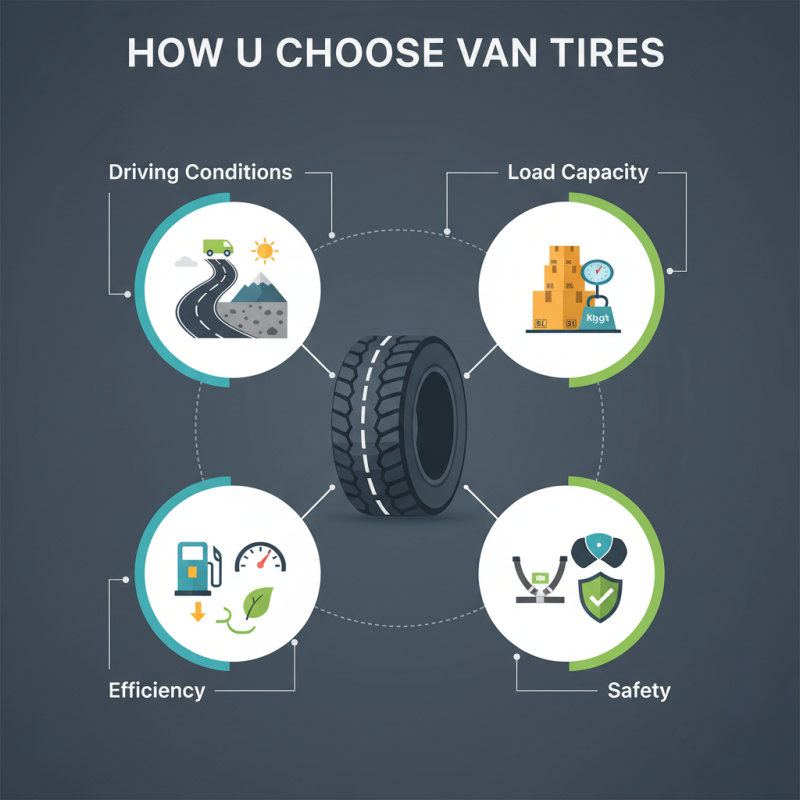
When selecting van tyres, consider factors like load capacity and driving conditions. The wrong choice can lead to poor performance, increased wear, or even safety risks. Michael emphasizes the importance of understanding your requirements: “Many overlook how unique their needs are.”
It's essential to reflect on your daily usage. Are you driving on highways or rough terrains? How often do you carry heavy loads? Each of these aspects influences your choice. Ultimately, the right van tyres should enhance both efficiency and safety.
Factors to Consider When Selecting Van Tyres for Different Weather Conditions
When selecting van tyres, weather conditions play a crucial role. Different conditions require unique tyre features. For example, winter tyres are essential in snowy areas. They have deeper treads and softer rubber, enhancing grip on ice and snow. According to the European Tyre and Rubber Manufacturers Association, using the right tyre can improve stopping distance by 30% in winter conditions.
In contrast, summer tyres excel in dry and wet conditions. They offer a wider contact patch, promoting better handling and braking. A report from the Tire Business states that all-season tyres may not perform as well as dedicated summer tyres when temperatures rise above 7°C (45°F). This could lead to decreased safety and significant wear.
When evaluating tyre options, consider local climate. In regions with frequent heavy rain, look for tyres with excellent water dispersion. This helps reduce hydroplaning risks. Additionally, tread patterns matter. For mixed conditions, a versatile tread design could provide a balance but may not be optimal for extreme scenarios. Regular assessments of tyre performance and wear are essential, as even the best tyres can wear unevenly, affecting safety and efficiency.
Understanding the Importance of Load Index and Speed Rating in Van Tyres
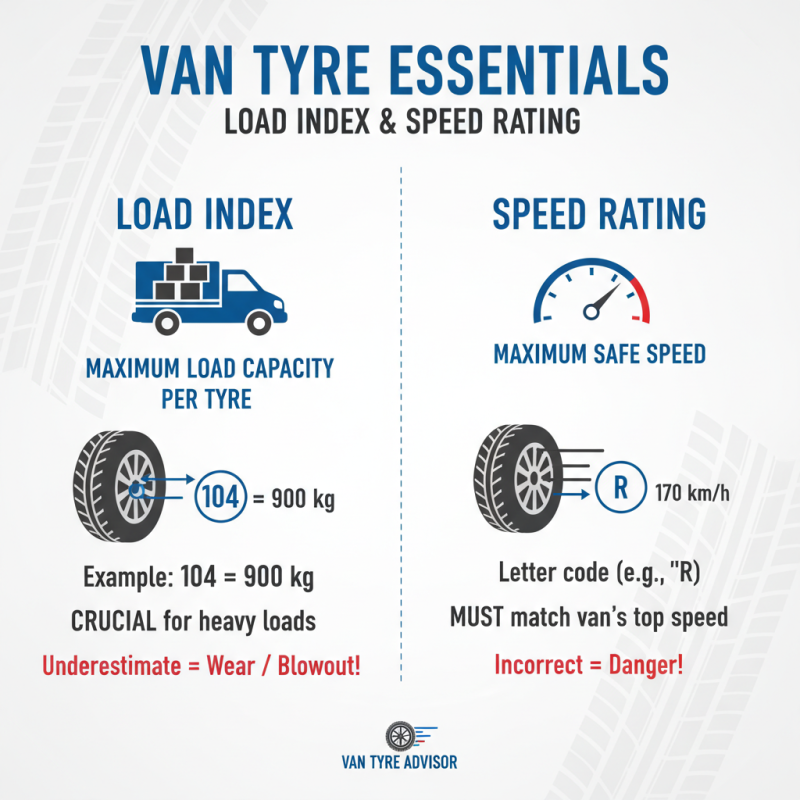
When selecting van tyres, the load index and speed rating are crucial. The load index indicates the maximum load the tyre can carry. For instance, a load index of 104 signifies a capacity of up to 900 kg per tyre. This is essential for vans that often carry heavy loads. Underestimating the load index can lead to premature tyre wear or, worse, blowouts.
Speed rating reflects the maximum safe speed for the tyre. A speed rating of "C" means the tyre is rated up to 120 km/h. However, if your vehicle frequently exceeds this speed, opt for a higher rating. Ignoring speed ratings can compromise safety. According to industry reports, improper tyre choices lead to 30% of vehicle accidents.
Choosing the right tyres requires diligent consideration of both aspects. Some users believe they can save money by opting for lower ratings. This is a misconception. Investing in the right load index and speed rating can enhance safety and performance significantly. Skimping here may lead to costly repairs or accidents down the line. Always prioritize quality and suitability over price.
A Guide to Tyre Types: All-Season vs. Winter vs. Summer for Vans
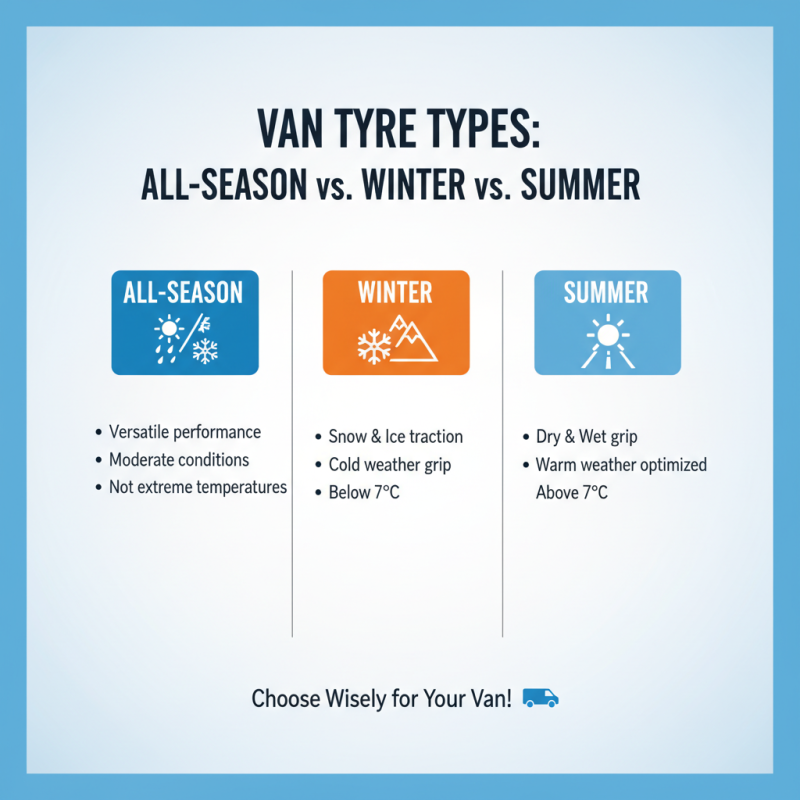
Choosing the right tyres for your van is essential. The two main types are all-season and seasonal tyres. All-season tyres offer versatility. They perform well in various weather conditions. However, they may not excel in extreme temperatures.
Winter tyres have a specific design. They provide better grip in snow and icy conditions. Their tread patterns and rubber compounds are optimized for colder weather. If you live in an area with severe winters, these tyres are a worthy investment. Conversely, summer tyres are designed for warm, dry conditions. They offer superior handling and braking on hot roads.
Tips: Check the tread depth regularly. A depth of 3mm or more is ideal for safety. Consider the load your van will carry. Different tyres handle weight differently. Also, pay attention to the tyre pressure. Correct pressure can significantly impact performance and fuel efficiency. Choosing the right tyre type affects everything from safety to comfort.
Evaluating Tyre Tread Patterns: Impact on Traction and Fuel Efficiency
When evaluating van tyres, the tread pattern is a critical factor. The design impacts both traction and fuel efficiency. A study by the Tyre Industry Council found that tread patterns can influence fuel consumption by up to 10%. Optimal patterns channel water away, reducing hydroplaning risks. They enhance cornering grip, which is essential for safety during turns.
Different tread depths serve varied purposes. Shallower treads may provide better fuel efficiency on dry roads. In contrast, deeper treads excel in muddy or snowy conditions. A report from the European Tyre and Rubber Manufacturers Association emphasizes the importance of regular tread checks. An average tread depth of 3mm is recommended for adequate performance.
Choosing the right tread pattern impacts long-term costs and performance. Some patterns can wear unevenly, leading to increased maintenance and safety risks. Drivers often underestimate the need for regular inspections. Research indicates that 30% of drivers neglect their tyre maintenance. Regular checks can prevent adverse situations and enhance overall performance.
Cost vs. Performance: Balancing Budget with Quality in Van Tyre Selection
When selecting van tyres, balancing cost and performance is crucial. A budget-friendly option might save money initially, but could lead to higher expenses over time. Cheaper tyres often wear out faster. This means more frequent replacements, which increases overall costs. Quality tyres, while pricier, generally offer better durability and performance.
Consider your specific needs. If you drive long distances or carry heavy loads, investing in high-quality tyres is wise. They provide better grip and handling. However, if your usage is limited to short trips or light loads, you might not need the highest-performing tyres.
Finding the right balance requires careful thought. Reflect on your typical journey and driving conditions. Sometimes, spending slightly more upfront can save you from future headaches. Don’t underestimate the value of good advice. Seek insights from experienced drivers or professionals in the field. Their recommendations can guide your decision effectively.