How to Choose the Best All Terrain Tires for Your Vehicle Needs
Choosing the right tires for your vehicle is crucial, especially if you often venture off the beaten path. All terrain tires are designed to provide versatility and performance in various driving conditions, whether you're navigating rocky trails, muddy roads, or snowy landscapes. Understanding the unique features and benefits of all terrain tires is essential for selecting the best option that suits your needs.
When it comes to all terrain tires, not all options are created equal. Factors such as tread design, rubber composition, and size play a significant role in how well a tire performs in different environments. Additionally, considering your vehicle type, driving habits, and the specific terrains you plan to encounter can help narrow down your choices.
In this guide, we will explore the key aspects to consider when choosing all terrain tires for your vehicle. By the end, you will have a better understanding of what to look for, ensuring that you make an informed decision that will enhance your driving experience both on and off the road.

Understanding All Terrain Tires: Key Features and Benefits
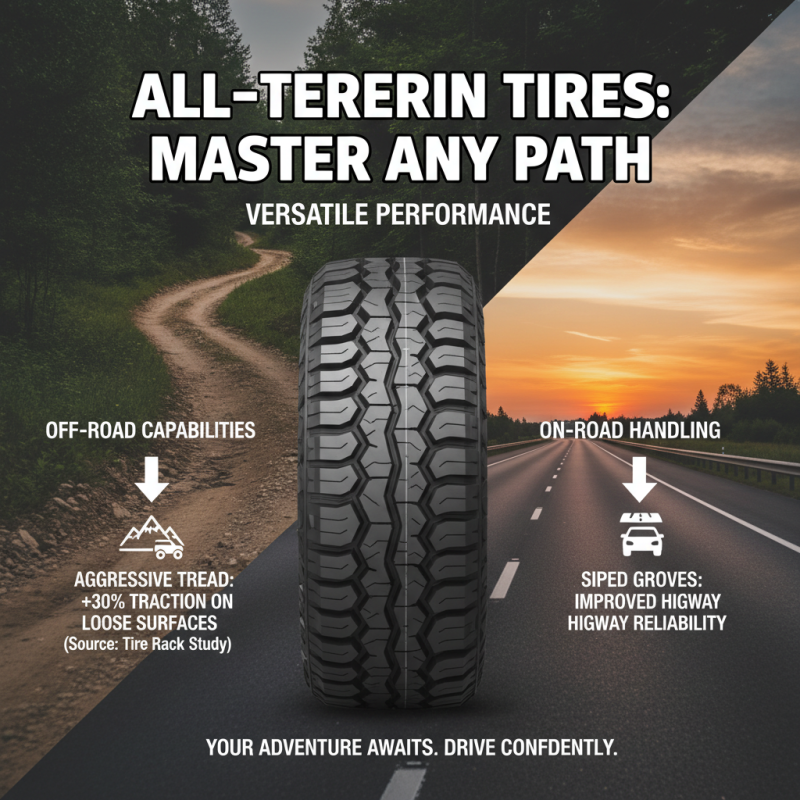
All-terrain tires are designed to provide versatile performance across various driving conditions, making them an essential choice for those who often venture off the beaten path. One of their key features is the tread design, which typically combines larger, more aggressive patterns for off-road capabilities with tighter, siped grooves for improved on-road handling. A recent study by Tire Rack indicated that all-terrain tires can enhance traction on loose surfaces by up to 30% compared to standard tires, which underscores their reliability for both dirt trails and highway driving.
In addition to tread design, all-terrain tires often feature reinforced sidewalls that offer additional protection against punctures and abrasion. This durability is particularly valuable for those navigating rugged terrains or hauling heavier loads. According to industry reports, tires with reinforced construction are less likely to suffer sidewall damage, which can lead to costly replacements and downtime. Furthermore, these tires typically utilize a rubber compound engineered to maintain optimal performance in a wide range of temperatures, ensuring consistent grip and stability whether in the heat of summer or the chill of winter. This combination of features makes all-terrain tires a suitable choice for drivers seeking a balance between everyday functionality and adventurous off-road capabilities.
Assessing Your Vehicle's Specific Requirements for Tread Type
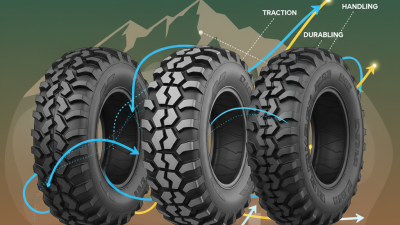
When selecting all-terrain tires for your vehicle, understanding your specific requirements is essential. One of the critical factors to consider is the tread type, which directly impacts traction, durability, and overall performance. Depending on the environments you frequently traverse—whether rocky trails, muddy roads, or sandy beaches—different tread designs will serve you better. For instance, deep, aggressive treads provide enhanced grip on loose surfaces, while tighter patterns may be more suitable for mixed on-road use.
Additionally, the construction of the tire plays a significant role in its performance capabilities. All-terrain tires often feature a combination of stiff sidewalls for support and flexible tread materials for better grip. Evaluating how you use your vehicle—whether it’s for off-road adventures or daily commuting—can help you make an informed choice about the balance between off-road capability and on-road comfort. Ultimately, by assessing your driving habits and the typical conditions you face, you can select a tire that not only meets your vehicle's needs but also enhances your driving experience in diverse environments.
Evaluating Terrain and Climate Considerations for Optimal Performance
When selecting all-terrain tires, it's essential to evaluate the specific terrain and climate in which you will be driving. Different environments impose varying demands on tire performance. For instance, if you frequently navigate rocky or uneven surfaces, you'll want tires designed with a more aggressive tread pattern for better traction and durability. On the other hand, if your driving primarily occurs on muddy or soft ground, consider tires that feature deeper grooves to channel water effectively and enhance grip. Understanding the characteristics of the terrain you encounter helps to narrow down your options and ensures that your tires can handle the rigors of your driving conditions.
Climate also plays a crucial role in tire selection. In areas with frequent rain or snow, opting for all-terrain tires that perform well in wet or icy conditions is vital. Look for features such as specialized rubber compounds that remain pliable in cold weather or enhanced siping for improved traction on slick surfaces. Conversely, if you live in a hot, arid climate, a tire designed for increased heat resistance and stability will extend its lifespan and performance. By taking both terrain and climate into account, you can make an informed decision that maximizes your vehicle's performance and safety in all conditions.
How to Choose the Best All Terrain Tires for Your Vehicle Needs
| Tire Type |
Best Suited Terrain |
Climate Considerations |
Performance Features |
| All-Terrain |
Mixed Surfaces (Mud, Gravel, Asphalt) |
Mild to Moderate Weather |
Good Traction and Durability |
| Mud-Terrain |
Soft and Muddy Surfaces |
Wet and Rainy Conditions |
Excellent Self-Cleaning Properties |
| Rock-Crawling |
Rugged and Rocky Terrain |
Dry and Hot Weather |
High Sidewall Flexibility |
| Snow and Ice Tires |
Snowy and Icy Roads |
Cold Weather |
Enhanced Grip in Low Temperatures |
Comparing Brands and Models: What to Look For
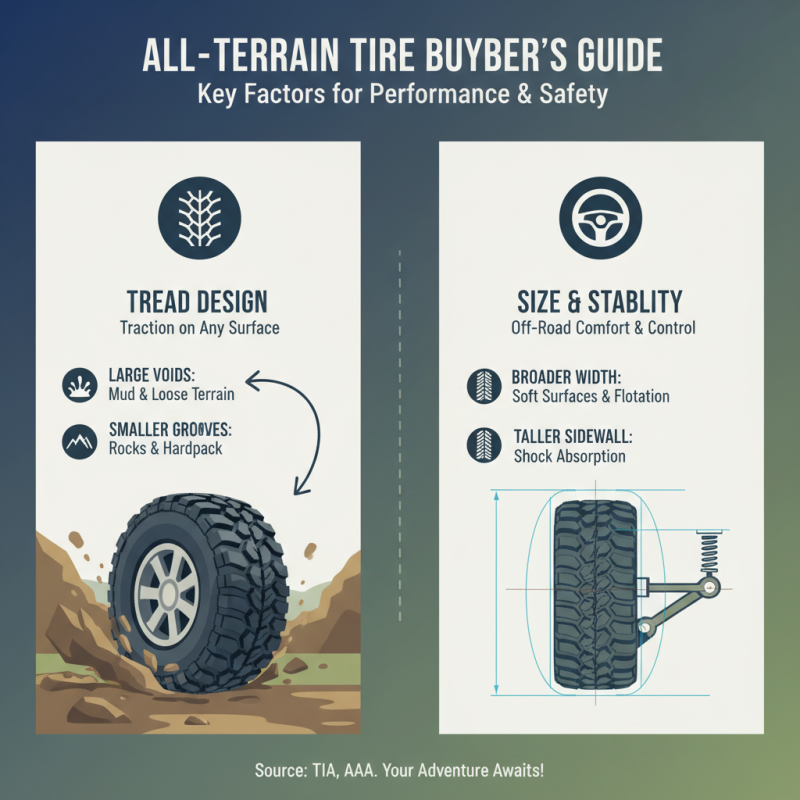
When choosing all-terrain tires for your vehicle, it’s essential to consider various factors that can significantly affect performance and safety. According to the Tire Industry Association, tire tread design is one of the most pivotal aspects to evaluate, as it directly influences traction on different surfaces. Look for tires with a versatile tread pattern, including larger voids for mud and smaller grooves for better grip on rocky terrains. Furthermore, a report from the American Automobile Association (AAA) highlights that tire width and sidewall height play crucial roles in stability and comfort during off-road driving. A broader tire can provide improved buoyancy on soft surfaces, while a taller sidewall can enhance shock absorption.
Another important consideration is the tire's construction type – whether it’s a radial or bias-ply design. Radial tires, which are commonly recommended by experts, tend to offer better handling and tread wear compared to their bias-ply counterparts. Studies from the Society of Automotive Engineers indicate that purchasing all-terrain tires with reinforced sidewalls can also mitigate the risk of punctures in demanding conditions. Additionally, examining the tire's load rating and speed index ensures that it aligns with your vehicle's specifications and your driving style, whether you're navigating rocky trails or cruising down highways.
Budgeting for All Terrain Tires: Cost vs. Value Considerations
When considering all-terrain tires, budgeting is a crucial factor that can significantly impact your vehicle's performance and longevity. According to recent industry reports, the average cost of all-terrain tires ranges from $100 to $300 per tire, depending on the brand and specifications. However, it is important to evaluate not just the price but also the value these tires provide in terms of durability, traction, and safety. Cheaper options may seem attractive initially, but they can lead to increased wear and reduced performance, ultimately costing more in the long run.
Tips for budgeting effectively include assessing your driving habits and terrain requirements before making a purchase. For instance, if you frequently navigate rocky or muddy environments, investing in higher-end all-terrain tires with better grip and puncture resistance may offer greater value despite their higher price. Additionally, consider the expected lifespan of the tires; a higher initial investment could yield savings through extended mileage and fewer replacements.
Another point to consider is the potential for seasonal changes in pricing. Many retailers offer discounts during specific times of the year, which can provide an opportunity for significant savings. A report from Tire Business indicates that timing your purchase around sales events, such as end-of-season sales or promotional holidays, can lead to cost savings of up to 20%. Balancing cost and value when choosing all-terrain tires ensures that you make a wise investment that meets your vehicle's needs while fitting within your budget.
Cost vs. Value Considerations for All Terrain Tires