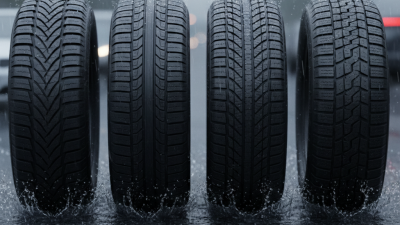
Best Vehicle Tires for Maximum Performance and Durability?
In the competitive automotive industry, choosing the right vehicle tires is crucial for performance and safety. According to industry reports from Tire Business, the global tire market is projected to reach $266 billion by 2026. This surge highlights the vital role that quality tires play in vehicle performance, fuel efficiency, and overall longevity.
Vehicle tires are subjected to various conditions. From wet roads to uneven terrains, their ability to adapt can significantly affect driving experiences. Research indicates that the right tire can enhance traction and reduce braking distances by up to 30%. However, with numerous brands and types available, making an informed choice can feel overwhelming.
Investing in high-quality vehicle tires is essential, yet many consumers overlook this aspect. Studies show that around 25% of drivers use tires that are not suitable for their vehicle or driving conditions. This oversight can lead to increased risks and reduced performance. Understanding tire specifications and selecting the best options is a responsibility every driver should embrace.
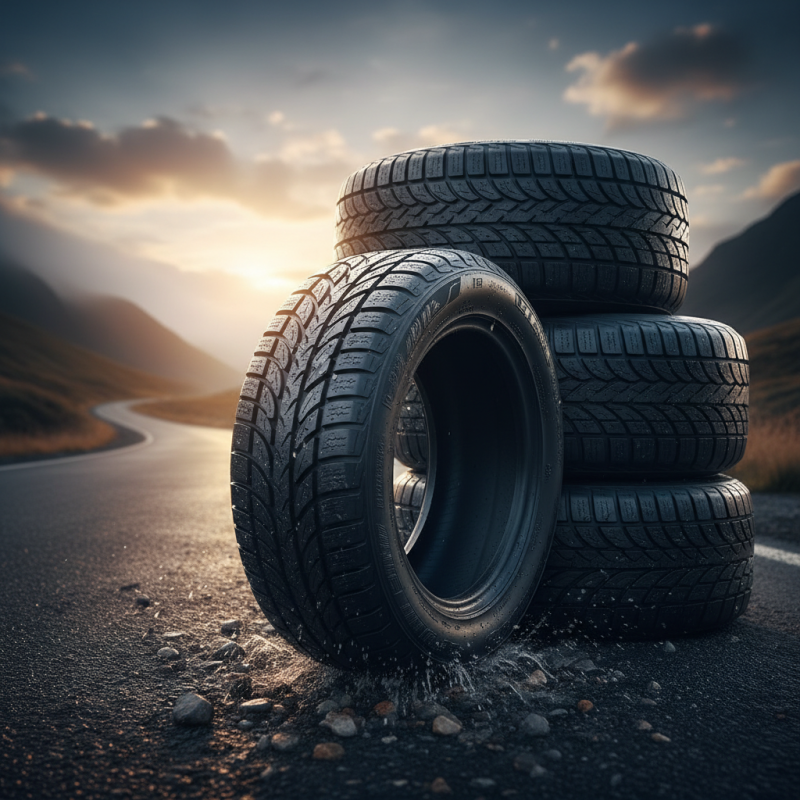
Types of Vehicle Tires and Their Specific Performance Features
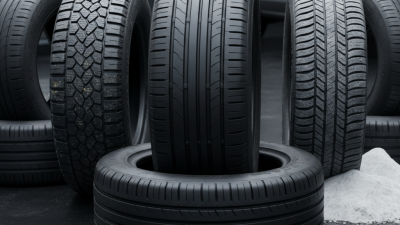
When selecting vehicle tires, understanding types and their performance features is essential.
All-season tires provide a balanced performance in various conditions.
They offer decent traction on wet roads and moderate grip in light snow. However, they might lack the specialized performance of other tire types.
Performance tires enhance handling and grip, especially in dry conditions.
They usually have a softer rubber compound that improves traction. Yet, these tires wear out faster and often create more road noise.
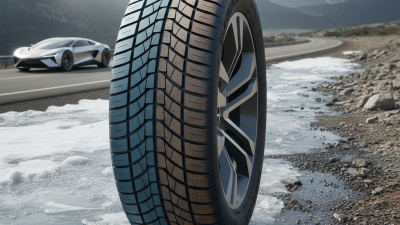
On the other end, winter tires excel in cold climates. Their unique tread patterns and rubber compositions maintain flexibility in freezing temperatures.
Yet, in warmer conditions, they can wear quickly and compromise handling.
Off-road tires are designed for rugged terrain. They feature deeper treads that improve traction on mud and loose gravel.
However, they may produce a rough ride on paved roads, and fuel efficiency can suffer. Each tire type has its strengths and limitations, making it crucial to match them to your driving needs.
Consider the conditions where you drive most often before making a choice. This decision not only impacts performance but also safety and comfort on the road.
Factors Influencing Tire Durability and Longevity
Choosing the right tires significantly impacts vehicle performance and longevity. Several factors influence tire durability, including material composition, tread design, and environmental conditions. For instance, according to data from the Tire Industry Association, tires made from high-quality rubber compounds can last up to 80,000 miles, while lower-quality alternatives may only reach 40,000 miles.
Tread design plays a crucial role in enhancing traction and reducing wear. Tires with deeper grooves often provide better grip, especially in wet conditions. However, deeper treads may also wear down faster under aggressive driving. A 2022 study published in the Journal of Transportation Research showed that tire pressure maintenance alone can improve lifespan by 15%.
Environmental factors also cannot be overlooked. Extreme temperatures can degrade tire materials. Road conditions, such as potholes or rough surfaces, contribute to quicker wear. Regular inspections can catch issues like uneven wear early on, extending tire life. Some drivers may neglect routine checks, leading to more significant problems down the line. Understanding these factors is essential for maximizing tire performance.
Best Vehicle Tires for Maximum Performance and Durability
| Tire Type |
Tread Life (miles) |
Performance Rating |
Durability Features |
Environmental Impact |
| All-Season Tires |
50,000 |
8/10 |
Wear-resistant compounds, improved grip |
Lower rolling resistance |
| Performance Tires |
30,000 |
9/10 |
Enhanced grip, heat-resistant materials |
Higher traction in various weather |
| Mud Tires |
40,000 |
7/10 |
Deep treads, puncture-resistant |
Not eco-friendly; high resistance to earth |
| Touring Tires |
60,000 |
8/10 |
Low noise levels, consistent wear |
Sustainable manufacturing processes |
Top Brands for High-Performance Tires and Customer Reviews
Choosing the right tires is vital for vehicle performance and safety. According to the Tire Industry Association, tires account for over 20% of a vehicle's fuel efficiency. Selecting high-performance tires can lead to enhanced grip, improved handling, and better fuel economy. Many drivers often underestimate the impact of tire quality on overall vehicle performance.
Customer reviews reveal that certain top brands frequently attract praise for durability and performance. In a survey by Consumer Reports, it was found that tires from reputable manufacturers often last 50,000 miles or more when properly maintained. However, some users express concerns about the high price of premium tires. It's essential to weigh long-term savings against initial costs, as cheaper options often compromise safety and performance.
In an industry where data matters, tire performance testing showcases significant differences. Independent organizations provide insight into how various tires perform under wet and dry conditions. The results highlight that not all tires are created equal. Some might struggle in extreme weather, while others excel. It's a reminder to consider driving needs and environmental factors when making a choice. This reflection is crucial, as poor decisions can lead to safety hazards or reduced vehicle life. Being informed empowers consumers to choose wisely.
Best Vehicle Tires for Maximum Performance and Durability
This chart displays the performance ratings and durability scores of various tire types based on customer reviews.
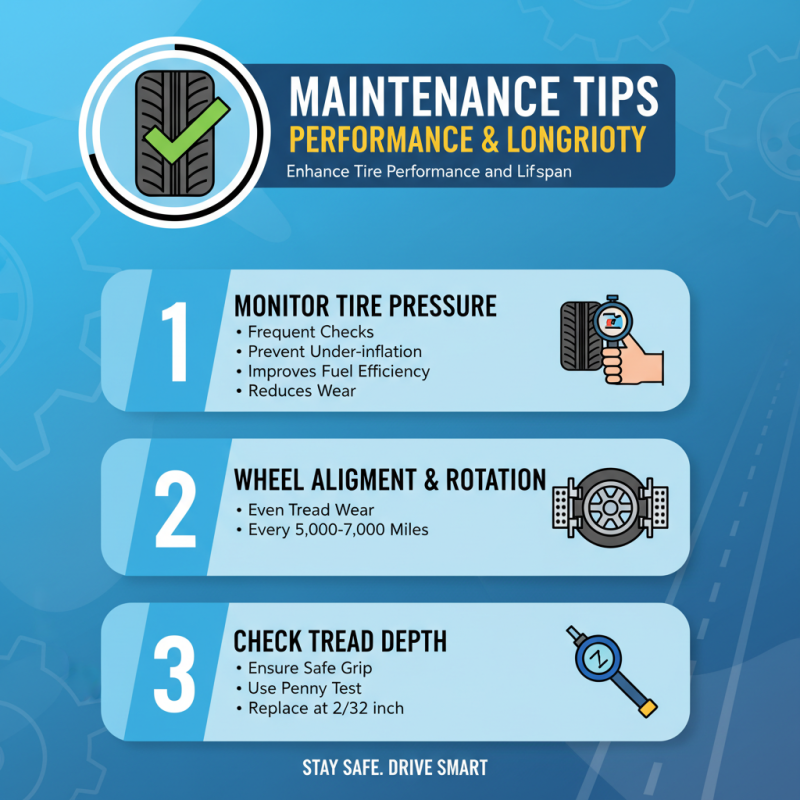
Maintenance Tips to Enhance Tire Performance and Lifespan
Maintaining your vehicle tires is crucial for maximizing performance and durability. Regular checks can prevent mishaps and enhance safety. One important tip is to monitor tire pressure frequently. Under-inflated tires can lead to poor fuel efficiency and increased wear. Use a reliable gauge for an accurate reading, adjusting as necessary.
Another key aspect is regular rotation. This helps ensure even wear across all tires. When tires wear unevenly, handling can suffer, impacting performance. Most experts recommend rotating tires every 5,000 to 7,500 miles. Pay attention to tread depth, as worn tires can compromise grip.
Lastly, avoid overloading your vehicle. Excess weight can create excess strain on your tires. This not only shortens their lifespan but can also lead to blowouts. Always be mindful of cargo limits. Keeping these tips in mind can significantly enhance both the performance and lifespan of your tires.
Comparative Analysis of All-Season vs. Performance Tires
When choosing tires, understanding the differences between all-season and performance tires is crucial. All-season tires perform well in various conditions, offering a balance between durability and comfort. They are designed to handle light snow and rain, making them popular among everyday drivers. However, their performance can fall short during extreme weather.
On the other hand, performance tires excel in grip and responsiveness. They are engineered for enhanced handling, especially in dry conditions. These tires often possess a softer rubber compound, which can lead to quicker wear. This trade-off means that while they offer superior performance, they may not last as long as all-season tires. The choice ultimately depends on driving style and conditions.
It’s important to reflect on your driving habits before investing in new tires. Consider whether you prioritize performance or durability. The wrong choice may lead to dissatisfaction. Understanding each tire type's benefits and drawbacks can lead to better decision-making.