What is the Best Type of Van Tyres for Your Vehicle Needs
Choosing the right van tyres is crucial for optimizing the performance and safety of your vehicle. With a variety of options available on the market, it can be challenging to determine which tyres best suit your specific driving needs. From urban commuting to long-distance transport, van tyres can significantly affect handling, fuel efficiency, and overall ride comfort. Therefore, understanding the different types of van tyres and their intended applications is essential for making an informed decision.
In this guide, we will explore the key factors to consider when selecting van tyres, including tread patterns, load capacity, and weather conditions. Each aspect plays a vital role in ensuring that your vehicle performs at its best, whether you're navigating city streets or traversing rugged terrains. By taking the time to analyze your requirements and the characteristics of available van tyres, you can enhance the reliability and longevity of your vehicle, ultimately leading to a safer and more efficient driving experience.

Types of Van Tyres: An Overview of Options Available
When selecting the best type of van tyres, it is essential to consider the various options available, each tailored to different vehicle needs and operating conditions. The main types of van tyres include
all-season, summer, winter, and commercial grade tyres.
According to industry reports, all-season tyres are highly popular due to their versatility, providing a balanced performance across different weather conditions.
They are designed to offer adequate traction in both wet and dry conditions, making them suitable for light commercial use.
On the other hand, winter tyres are specifically engineered for colder climates and offer enhanced grip on icy and snowy roads.
Data from tyre performance studies indicates that vehicles using winter tyres can improve stopping distances by up to
30% compared to all-season tyres in freezing temperatures.
For businesses that require heavy-duty performance, commercial tyres are designed to withstand the rigours of frequent loading and unloading.
These tyres often feature reinforced sidewalls and tread patterns optimized for better mileage and durability,
making them an efficient choice for fleets.
Understanding the specific requirements of your van and the typical driving conditions is crucial in making an informed decision about tyre type.
By assessing factors such as load capacity, weather conditions, and road surfaces, vehicle owners can select the
appropriate tyres that enhance safety and performance while maximizing longevity and cost-effectiveness.
Factors to Consider When Choosing Van Tyres
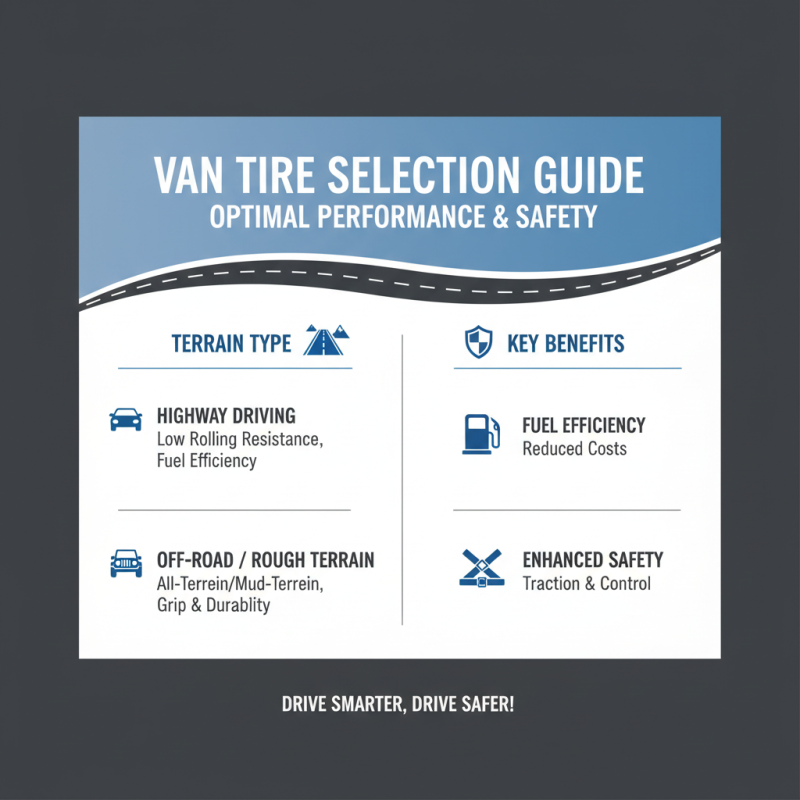
When selecting the best type of van tyres for your vehicle, several factors must be taken into account to ensure optimal performance and safety. Firstly, the type of terrain on which you typically drive is crucial. If your van will mostly be used on highways, you might prioritize tyres that offer low rolling resistance, which can enhance fuel efficiency. Conversely, if you frequently navigate rough, off-road conditions, all-terrain or mud-terrain tyres could be a more suitable choice, providing better grip and durability.
Another key factor to consider is the load capacity of the tyres. Vans are often used for transporting goods, so tyres must be able to support the vehicle’s weight safely. It is essential to check the tyre's load rating, which indicates the maximum weight it can handle. Additionally, consider the climate in which you operate your van. In regions with harsh winters, opting for winter tyres could significantly improve traction and safety. For milder climates, all-season tyres may offer sufficient performance while providing versatility throughout the year. Overall, carefully assessing these aspects will help you choose van tyres that align perfectly with your specific needs and driving conditions.
Benefits of All-Season vs. Summer Van Tyres
When considering van tyres, choosing between all-season and summer options is crucial depending on the driving conditions you frequently encounter.
All-season tyres offer versatility, designed to perform adequately in a variety of weather conditions, including light rain and mild winter conditions. They feature a tread pattern that balances grip and longevity, making them a practical choice for drivers who encounter changing weather patterns and varying road conditions. This adaptability is particularly beneficial for those who use their vans for diverse purposes, such as delivery services or family transportation.
On the other hand, summer van tyres are engineered to excel in warmer, dry conditions. They provide superior handling and grip owing to their specialized rubber compounds and tread designs that optimize performance in hot weather.
While they may not perform as well in snowy or icy conditions, summer tyres can significantly enhance fuel efficiency and reduce rolling resistance during warmer months. If your driving is primarily limited to well-maintained roads during the summer, opting for summer tyres can lead to better overall performance and safety.
Ultimately, your choice should reflect your typical driving scenarios to ensure optimal performance from your vehicle.
Understanding Load Ratings and Their Importance for Vans
When selecting tyres for your van, understanding load ratings is crucial to ensure safety and performance. Load ratings indicate the maximum weight each tyre can support. For instance, most van tyres come with load index ratings that range from 84 to 130, correlating to maximum weights of approximately 500 kg to over 2,000 kg per tyre. According to the Tire and Rim Association, using tyres that match your vehicle's load capacity helps maintain stability, improves braking response, and extends the lifespan of your tyres.
To make an informed decision, assess your typical load and how often you carry heavy goods. For vans frequently transporting significant weights, opting for tyres with a higher load rating, such as those classified with an "extra load" (XL) mark, ensures they can handle the demands without compromising safety. Additionally, consider the inflation pressure as it impacts load capacity; the correct PSI helps evenly distribute weight, reducing uneven wear and enhancing fuel efficiency.
**Tips:** Always refer to your vehicle’s manual for the manufacturer’s recommended load rating and tyre specifications. Additionally, regularly check your tyre pressure and tread depth, as neglecting these can lead to heavy load-bearing inefficiencies. When in doubt, consult with a professional to ensure your van is equipped with the right tyres for your specific needs.
Understanding Load Ratings for Van Tyres
How to Maintain and Care for Your Van Tyres for Longevity
To ensure the longevity of your van tyres, regular maintenance is crucial. According to a report from the Tyre Industry Association, about 30% of tyre-related breakdowns can be attributed to improper maintenance. Regular checks on tyre pressure can significantly impact both safety and performance—maintaining the correct pressures not only extends the lifespan of your tyres by up to 20% but also improves fuel efficiency. It is recommended that you check tyre pressure at least once a month and before long trips, as even a slight deviation from the manufacturer-recommended pressure can lead to premature wear and uneven tread.
Another essential aspect of tyre care is tread depth monitoring. Industry standards indicate that tyres with a tread depth of less than 3mm can face a significant reduction in grip, particularly in wet conditions, increasing the risk of accidents. Using tools such as a tread depth gauge can help in assessing when it’s time to replace your tyres. Furthermore, rotating your tyres every 6,000 to 8,000 miles can promote even wear, thus preserving their integrity and performance. Following these best practices not only enhances safety but also maximizes the lifespan of your investment in tyres.