Best Vehicle Tyres for Optimal Performance and Safety?
When it comes to vehicle tyres, choosing the right ones can significantly impact performance and safety. According to industry reports, nearly 30% of accidents are linked to tyre issues. Properly selected tyres enhance grip, stability, and handling, especially in adverse conditions. Yet many drivers underestimate this essential factor.
For instance, a study by the Tire Industry Association shows that tyres account for up to 20% of a vehicle's fuel efficiency. This statistic underscores the importance of selecting quality vehicle tyres. Additionally, the right tyre can extend the lifespan of your vehicle and reduce maintenance costs.
However, not all tyres are created equal. Factors like tread pattern, rubber composition, and size greatly influence vehicle handling. There’s also the misconception that high price guarantees quality. It can lead to costly mistakes when selecting tyres based solely on brand names or price tags. Understanding the balance between performance, durability, and safety in vehicle tyres is crucial for every driver.
Factors Influencing Vehicle Tyre Performance and Safety
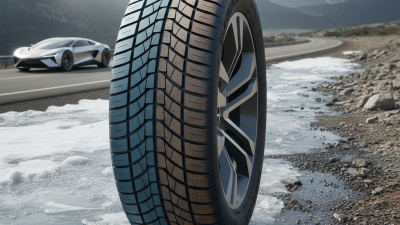
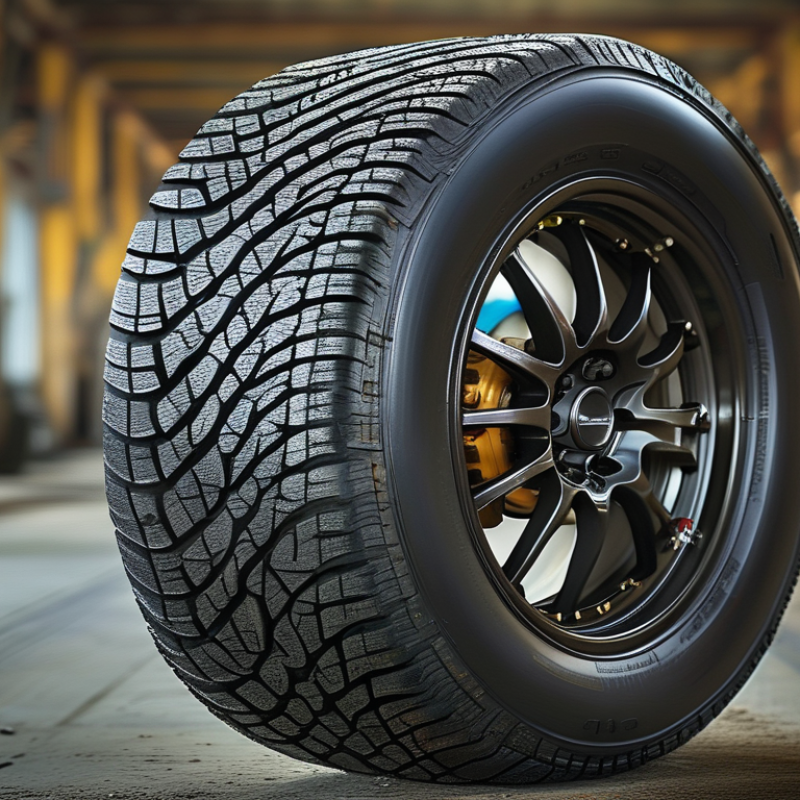
Choosing the right vehicle tyre is crucial for both performance and safety. Several factors influence tyre effectiveness. One key aspect is the tread pattern. It affects how vehicles grip the road, especially in adverse weather. According to the Tire Industry Association, tyres with deeper grooves offer better traction in rain or snow.
Tyre pressure is another critical point. Incorrect inflation can lead to blowouts or reduced efficiency. A report from the National Highway Traffic Safety Administration highlighted that under-inflated tyres contribute to 660 fatalities annually in the U.S. Monitoring pressure regularly is essential for safety and performance.
Material composition also plays a role. Tyres made from high-quality rubber and advanced compounds tend to outperform those made from inferior materials. Many consumers overlook this aspect, impacting long-term durability and safety. A study indicated that high-quality tyres can improve fuel efficiency by 3% to 5%. Investing in the right tyres is about balancing cost with reliability and safety.
Best Vehicle Tyres for Optimal Performance and Safety
| Tyre Type |
Tread Depth (mm) |
Performance Rating |
Weather Conditions |
Safety Features |
| All-Season |
8.0 |
Good |
Mild Rain, Dry |
Enhanced Grip, Noise Reduction |
| Summer |
7.5 |
Excellent |
Dry, Hot |
Superior Stopping Power, Low Aqua Planing |
| Winter |
9.0 |
Very Good |
Snow, Ice |
Deep Tread, Anti-Slip Technology |
| Performance |
7.0 |
Outstanding |
Dry, Slightly Wet |
Increased Handling, High Speed Stability |
Types of Tyres and Their Specific Use Cases for Optimal Performance
Choosing the right tyres is crucial for vehicle performance and safety. There are various types of tyres, each designed for specific conditions. Understanding these can enhance your driving experience.
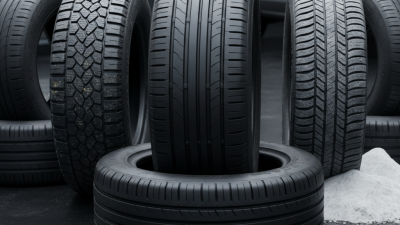
All-season tyres are versatile. They perform well in moderate conditions. However, they may lack traction in extreme weather. Drivers might find them usable year-round, but not always optimal. Winter tyres excel in cold and snowy conditions. Their unique tread patterns ensure better grip. Still, they are not suitable for warm weather.
Performance tyres enhance handling and speed. They are great for sporty driving but may wear down quickly. These tyres provide excellent cornering but often sacrifice comfort. Off-road tyres, with their rugged design, are perfect for tackling rough terrains. However, on highways, they can produce more noise and vibration. Each tyre type has pros and cons. Evaluating your driving environment and habits is essential to make an informed choice.
Key Features to Look for in High-Quality Vehicle Tyres
When selecting vehicle tyres, prioritizing safety and performance is crucial. High-quality tyres have specific features that enhance both. Check the tread pattern, which impacts grip on various surfaces. A deeper tread generally provides better traction, especially in wet conditions. However, overly deep tread can increase rolling resistance.
Consider the rubber compound used in the tyre. Softer compounds often offer better grip but may wear out faster. Balance is key here; an ideal tyre gives you traction without sacrificing longevity. Pay attention to the tyre's sidewall. Reinforced sidewalls improve durability against potholes and debris.
Tips: Always assess the tyre's load rating to ensure it matches your vehicle’s requirements. Regularly check your tyres for wear patterns, which can signal alignment issues. Keep in mind that not all tyres are suited for every climate. For winter conditions, special tyres can greatly enhance safety and performance.
Maintenance Tips for Ensuring Tyre Longevity and Safety
Maintaining your vehicle's tyres is crucial for optimal performance and safety. Regular checks can prevent accidents and enhance vehicle lifespan. Data shows that nearly 30% of tyre-related accidents stem from improper maintenance. Keeping tyre pressure at the recommended levels is essential. Under-inflation can lead to dangerous blowouts and reduces fuel efficiency. Studies reveal that properly inflated tyres can improve fuel economy by up to 3%.
Rotating tyres should be part of your routine, ideally every 6,000 to 8,000 miles. This practice ensures even wear, extending their life. Neglecting rotation can lead to premature wear and reduced grip. Alignment checks are also vital. Misalignment can diminish tyre longevity and affect handling. Once every few months, have your alignment checked, especially after hitting potholes or curbs.
Regular inspections can unveil more problems. Look for cracks, bulges, or uneven tread wear. It’s sad, but many drivers overlook these signs. Nearly 12% of drivers do not check their tyres regularly. Keeping a record of your tyre maintenance will help track their condition. Bad habits can lead to costly repairs. Prioritizing tyre care is a smart choice for safe driving and financial savings.
Recommended Brands and Models for Performance Tyres in 2023
Choosing the right vehicle tyres is crucial for safe and optimal performance. In 2023, various brands and models stand out for their excellent traction, durability, and handling. When evaluating options, consider how different tyres perform under various conditions. All-season tyres provide flexibility, while performance tyres excel in dry and wet conditions.
Tips: Always check the tread depth. This affects grip and safety. A depth of at least 3mm is ideal. Replace tyres as they wear to maintain performance.
Look at the sidewall ratings when selecting tyres. These ratings show load capacity and speed. Ignoring these details can lead to poor handling or reduced safety. It's essential to match tyres to your driving style and local conditions.
Furthermore, regular maintenance is vital. Rotate your tyres every 5,000 to 7,500 miles for even wear. Proper alignment can avoid premature deterioration. Reflect on your driving habits; they influence how quickly tyres wear out. Each car is different, so consider various factors when making a choice.