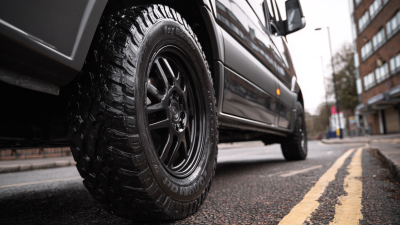
What is the Best Type of Vehicle Tyres for Your Car?
Choosing the right vehicle tyres is crucial for your car's performance. The right tyres affect handling, safety, and fuel efficiency. A well-selected tyre enhances your driving experience. Many options exist, including all-season, summer, and winter tyres. Each type serves a specific purpose based on climate and driving conditions.
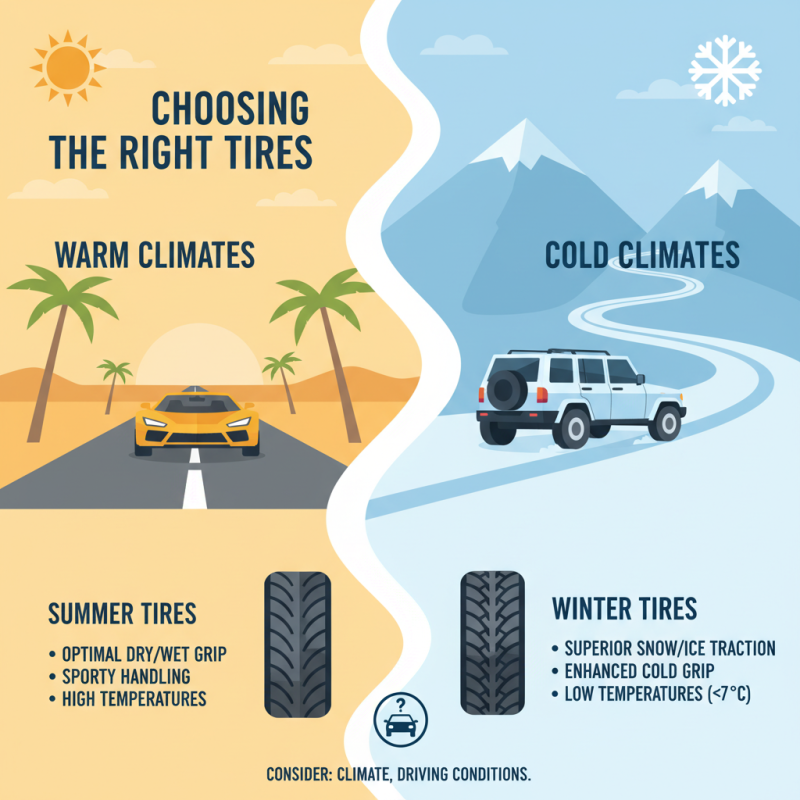
Consider your location. If you live in an area with harsh winters, winter tyres are necessary. They offer better traction on snow and ice. In warmer climates, all-season tyres might be sufficient. These tyres provide decent performance throughout the year. However, some may find they do not excel in any specific condition.
Selecting vehicle tyres can feel overwhelming. People often choose tyres based on cost alone, neglecting performance and safety. Reflect on what matters most for your driving style. Relying on expert reviews can help guide your decision. Ultimately, the best tyre choice balances safety, comfort, and budget.
Types of Vehicle Tyres: Understanding the Basics
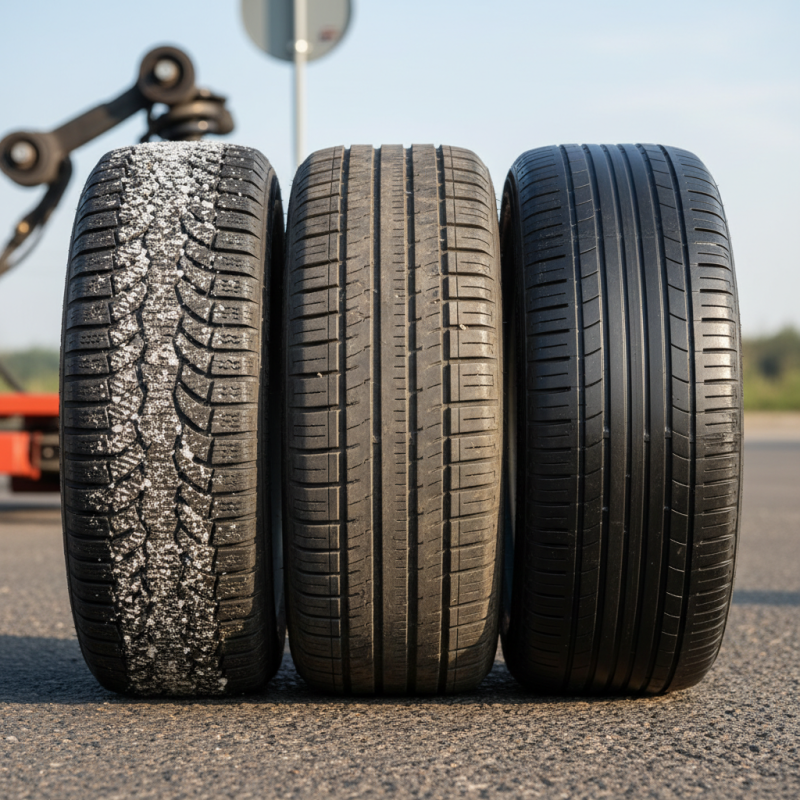
When choosing vehicle tyres, it's essential to understand the basics. There are several types to consider. Each type serves a different purpose. For example, all-season tyres are versatile. They perform decently in various weather conditions. However, they may not excel in extreme scenarios. In regions with heavy snowfall, winter tyres will provide better grip and safety. Their rubber compounds remain flexible in cold temperatures, unlike all-season options.
Performance tyres are another category. They enhance handling and cornering abilities. These tyres can be beneficial for sporty cars. Yet, they may wear out faster than standard types. It's a trade-off between performance and longevity. Off-road tyres are designed for rugged terrains. Their deep treads help navigate through mud and gravel but sacrifice comfort on highways.
Ultimately, the best tyre type depends on your driving habits. Consider your local climate. Also, think about your vehicle's usage. If you frequently drive in the city, durability might be a priority. Those who enjoy road trips should consider comfort and efficiency. Reflect on these factors to make an informed choice. Tyres play a crucial role in safety, performance, and efficiency. It's worth investing time in selecting the right type for your car.
Types of Vehicle Tyres: Understanding the Basics
Factors to Consider When Choosing Tyres for Your Car
Choosing the right tyres for your car involves several factors. Consider the climate where you drive. In warmer areas, summer tyres may perform best. In contrast, winter tyres offer better grip in cold and snowy conditions.
Additionally, think about your driving habits. If you often drive on highways, look for tyres that provide stability and fuel efficiency. For off-road enthusiasts, durable tyres designed for rough terrain are essential. Pay attention to tread patterns as well; deeper treads can improve traction in various conditions but may wear down faster.
Budget is another important consideration. It’s tempting to choose the cheapest option, but higher-quality tyres often last longer. Be mindful of this trade-off. Regular maintenance, like rotating your tyres, is crucial too. Neglecting it can lead to uneven wear, making your decision less effective. Consider your specific needs and situation. Making an informed choice can lead to a safer, more efficient driving experience.
Different Driving Conditions and Appropriate Tyre Types
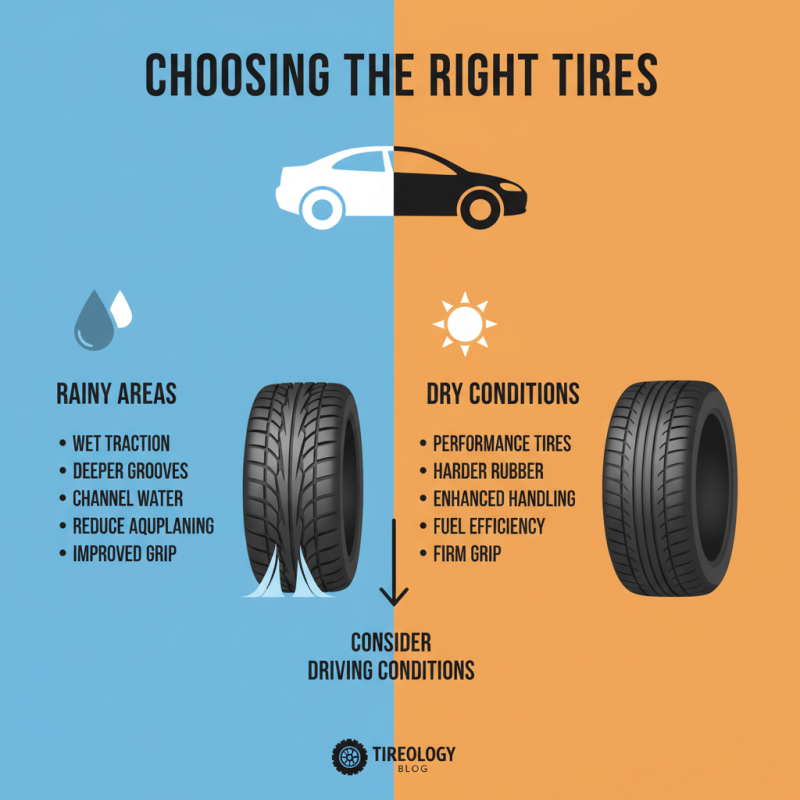
When selecting tyres for your vehicle, consider the driving conditions you encounter. Rainy areas benefit from tyres designed for wet traction. These tyres usually have deeper grooves to channel water away. This reduces hydroplaning risk and improves grip on slippery surfaces. In contrast, dry conditions demand a different approach. Performance tyres with a harder rubber compound can enhance handling and fuel efficiency.
Off-road driving presents unique challenges. All-terrain tyres are suited for varying terrains. They feature rugged treads to tackle both mud and rocks. However, they may wear faster on asphalt. This trade-off requires careful consideration. An ideal tyre often doesn't exist; it depends heavily on your driving style and local climate.
In snowy regions, winter tyres are crucial. Their special tread patterns and rubber compositions remain flexible in cold temperatures. This leads to improved traction on ice and snow. Remember, mismatched tyres can be problematic. Mixing types affects handling and safety. Weigh your options carefully for the best performance.
How Tyre Size and Specifications Affect Performance
Choosing the right tyre size and specifications is essential for your car's performance. The size of a tyre affects handling, fuel efficiency, and ride comfort. Wider tyres provide better grip on the road, especially in wet conditions. However, they can impact fuel economy negatively. A balance must be struck between performance and efficiency.
Tyre specifications also play a crucial role. Tread patterns affect traction and noise levels, while sidewall stiffness influences ride quality. A soft sidewall can enhance comfort but may lead to less precise handling. Think about the kind of driving you do.
Do you prioritize comfort, sportiness, or durability? Each has its own requirements.
Additionally, consider the environment where you drive most often. Urban areas may benefit from tyres that reduce road noise. Off-road conditions require robust designs for better durability. There's no perfect choice. Often, what works for one situation does not work for another.
Evaluating your driving habits can lead to a more informed decision. It's important to regularly assess these aspects to ensure your tyres meet your needs.
Maintenance Tips for Enhancing Tyre Longevity and Safety
Maintaining your vehicle tyres is crucial for safety and longevity. Proper care can prevent unexpected issues. Regular checks for air pressure are important. Under-inflated tyres wear unevenly and can cause blowouts. Aim for the manufacturer's recommended pressure for optimal performance.
Rotate your tyres regularly. This helps ensure even wear across all tyres. Uneven wear can lead to poor handling and safety risks. Inspect for any visible damage, like cuts or punctures. Address these issues immediately to avoid further complications.
Another important tip is to monitor tread depth. Worn-down tyres lose grip, especially on wet roads. A simple penny test can help. If you can see Lincoln's head completely, it’s time for new tyres. Investing time in maintenance can save you money in the long run.
What is the Best Type of Vehicle Tyres for Your Car? - Maintenance Tips for Enhancing Tyre Longevity and Safety
| Tyre Type |
Description |
Best For |
Longevity (miles) |
Maintenance Tips |
| All-Season Tyres |
Versatile tyres suitable for various weather conditions. |
Most regular vehicles |
40,000 - 70,000 |
Regular rotation every 5,000-7,000 miles |
| Winter Tyres |
Designed for optimal performance on snow and ice. |
Cold climates |
30,000 - 50,000 |
Check tread depth and replace as needed |
| Performance Tyres |
Enhanced grip and handling for higher speed. |
Sports cars |
20,000 - 40,000 |
Monitor pressure and alignment often |
| Mud-Terrain Tyres |
Optimized for off-road performance in mud and rough terrain. |
Off-road vehicles |
30,000 - 50,000 |
Regular cleaning after off-road trips |