What Is the Best Cargo Bike in 2026?
Choosing the best Cargo Bike in 2026 is not simply a matter of picking the model with the largest box or strongest motor. The right choice depends on what you carry, where you ride, and how you store the bike. A parent transporting two children has different needs from a shop owner delivering parcels. Steep streets, narrow bike racks, and a small apartment entrance can matter as much as advertised range.
This guide compares cargo bikes by practical factors: carrying capacity, handling, braking, battery options, weather protection, maintenance, and available service support. Published specifications can help narrow the field, but they do not tell the whole story. A long wheelbase may feel stable with a heavy load, yet awkward in a crowded garage. A compact model may be easier to park, but offer less room for bulky bags. Small details count. Check whether the load area suits your actual cargo, and confirm that local shops can service the model. Specifications and availability may also vary by region, so verify current details before buying. The “best” bike is not always the one that wins a comparison chart. That judgment can change. This overview aims to make the trade-offs clearer, while recognizing that no single recommendation will fit every rider, route, or budget.
What Defines a Cargo Bike in 2026?
What Is the Best Cargo Bike in 2026?
What Defines a Cargo Bike in 2026?
A cargo bike in 2026 is more than a bicycle with a large box. It is a compact transport tool for people, groceries, tools, and local deliveries. Its defining features include a stable frame, strong brakes, useful carrying capacity, and predictable handling under load. Electric assistance matters, especially on hills or during repeated commercial trips. However, a powerful motor cannot fix poor weight distribution.
Industry data supports this shift. The European Cyclists’ Federation reports that cargo bikes could replace up to 50% of urban delivery trips in suitable European conditions. A London freight trial also found cargo bikes moved through central areas faster than vans, partly because they avoided congestion and parking delays. These figures are promising, but they are not universal. Weather, road design, battery range, and secure parking still change the result.
Tips: Test the bike with a realistic load. Add two full grocery bags, a child seat, or work equipment. Check braking distance, turning control, and frame stability. The International Transport Forum stresses that safe cycling infrastructure is essential for wider cargo-bike adoption. That point is easy to overlook. A perfect cargo bike feels unsafe on a dangerous street. I would also measure charging time and storage space before buying. Published range figures can feel optimistic in cold weather, on steep routes, or with heavy cargo. The best model is therefore defined by its daily environment, not by specifications alone.
Which Cargo Bike Designs Serve Different Needs?
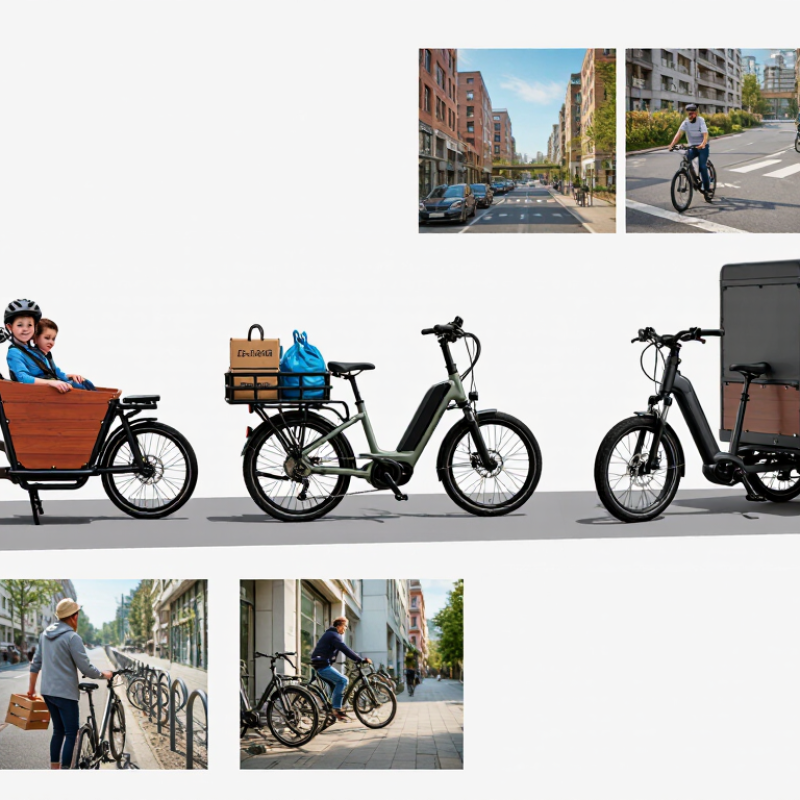
Choosing a cargo bike starts with the load, route, and storage space—not a “best” label. A longtail keeps a familiar bicycle feel and carries children or panniers behind the rider. It suits narrow lanes and bike racks, though a heavy rear load can affect balance at low speeds. A front-loader places a box ahead of the rider, making children and groceries easier to see. Its longer frame needs more turning room. Test tight corners before buying.
For heavier, steadier loads, a three-wheeled cargo bike can offer a broad platform and reassuring stops. It may feel awkward on cambered roads, and its width can complicate storage. Compact midtails split the difference: shorter than many longtails, yet useful for a child seat or daily bags. They are not magic; carrying several passengers may exceed their practical capacity. Transport & Environment’s 2020 report, The Potential of Cargo Bikes to Reduce Emissions in Urban Transport, estimated that cargo bikes could handle up to 25% of urban goods deliveries. That figure describes delivery potential, not every household’s needs. Measure your doorway, check the bike’s rated payload, then ride it with a realistic load. Small details matter.
How Should Cargo Bikes Be Compared?
How should cargo bikes be compared in 2026? Start with the load you actually carry: a child, groceries, or bulky work equipment. Then check payload capacity, including the rider. Germany’s bicycle industry association ZIV reported about 235,000 cargo bikes sold in 2023. That figure signals a growing market, but it does not identify one best design for every household. Compare the bike’s permitted total weight with your regular load, not just its advertised cargo capacity. A heavy load can change braking distance and handling. Test the bike on a familiar route, including a tight turn and a short hill.
Compare fit, stability, and everyday practicality alongside price. Measure your storage space and check whether the bike fits through your gate or lift. For electric models, note battery capacity, charging time, and whether the battery can be removed indoors. Ask a qualified dealer to explain maintenance intervals and replacement-part availability. A low purchase price may not mean low ownership costs. I would not judge a bike from one quick parking-lot ride; that test can miss awkward starts and slow-speed balance.
Tips
Bring a loaded bag to a test ride, secure it as you would at home, and try stopping on a gentle slope. Check that the stand feels stable while loading. Record the bike’s width and turning space. Small details matter. Recheck your assumptions: a longer box may carry more, yet feel cumbersome on narrow streets. The “best” choice is the one you can control confidently, store safely, and use often.
What Features Matter Most in a 2026 Cargo Bike?
What Is the Best Cargo Bike in 2026? What Features Matter Most in a 2026 Cargo Bike?
A useful cargo bike should fit your real load, route, and storage space—not just look capable in a product photo. Transport & Environment’s 2020 analysis estimated that cargo bikes could replace up to 25% of urban deliveries and half of light commercial vehicle trips. That finding concerns delivery use, but it highlights why payload and handling matter. Check the stated load limit, including the rider, children, bags, and accessories. Then test the bike with weight aboard. A front box can feel different from a long rear rack, especially on a tight turn.
Braking, frame stability, and predictable steering deserve close attention. Look for brakes that remain controllable under load, a clear parking stand, and secure passenger restraints if children will ride. Battery range matters too, but published estimates may assume gentle riding, mild weather, and little cargo. Real hills and cold mornings can reduce range. A removable battery and easy-to-read charge display can make daily use less stressful. No setup is perfect. Even a strong bike can be awkward in a narrow hallway.
Tips: Measure doorways, lift access, and your usual parking spot before buying. Test the bike on your steepest regular hill, with a realistic load. Ask how payload figures are defined, and check whether replacement parts and service are accessible.
What Is the Best Cargo Bike in 2026?
Typical rated cargo-payload ranges by bike style (kilograms)
Payload capacity is only one factor: check the bike’s total permitted weight, handling, braking, range, and fit for your routes. Figures are indicative ranges, not universal specifications; always verify the rated limits for the specific bike.
Which Cargo Bike Best Fits Each Rider?
The best cargo bike in 2026 depends less on a “best” list than on your daily load, route, and storage space. A parent carrying two children may value a stable three-wheel design, rain cover, and easy step-through frame. A rider hauling groceries up narrow streets may prefer a lighter two-wheel bike that feels closer to a regular bicycle. Measure your doorway and parking spot before choosing; a long cargo box can be awkward indoors.
The European Cyclists’ Federation’s 2014 CycleLogistics analysis estimated that about 51% of motorized goods trips in European cities could potentially shift to cycling, including cargo bikes. That is a modeled opportunity, not a promise for every neighborhood. Hills, distance, and heavy loads matter. For frequent deliveries, compare payload capacity, braking, battery range, and how the bike handles when fully loaded. For occasional family trips, comfort and easy low-speed control may matter more than maximum capacity. Test it with realistic weight, not an empty basket. Small detail. A bike that fits your routine but is hard to park may stay unused, and that trade-off is easy to overlook.