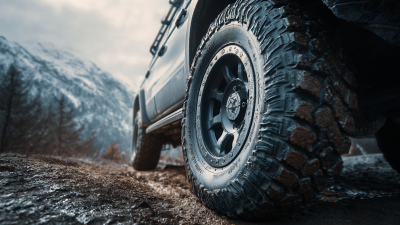
Best All Terrain Tires for Ultimate Performance in Any Terrain
In the ever-evolving world of automotive accessories, choosing the right tires is crucial for optimal performance across various terrains. As highlighted by tire industry expert Dr. Emily Carter, "All terrain tires are essential for any driver looking to tackle diverse landscapes without compromise." These specially designed tires are engineered to deliver superior traction, stability, and control, whether you are navigating rocky trails, sandy dunes, or slippery mud.
As off-road enthusiasts and daily commuters alike seek versatility in their vehicles, understanding the unique features and benefits of all terrain tires has never been more important. With advancements in tire technology, modern all terrain tires offer an impressive blend of durability and comfort, making them an appealing choice for those who refuse to be limited by terrain. This guide aims to illuminate the best options available in the market, ensuring you are equipped with the knowledge to make informed decisions that will elevate your driving experience in any environment.

Types of All Terrain Tires: Understanding Distinct Features and Benefits
All-terrain tires are designed to provide a versatile performance across various landscapes, making them an ideal choice for adventurous drivers. Understanding the distinct features and benefits of these tires can significantly enhance your off-road experience.
The key types of all-terrain tires include those with aggressive tread patterns, which offer optimal traction on muddy or rocky surfaces, and those with a more balanced tread, ideal for maintaining stability on highways while still providing some off-road capability.
Another important type is the mud-terrain tire, distinguished by deeper treads and wider voids that excel in soft, loose terrains. However, these tires may compromise on-road noise and comfort. Conversely, all-terrain tires with a hybrid design combine the best of both worlds, offering improved performance in diverse environments without sacrificing too much on-road comfort. Additionally, features such as reinforced sidewalls enhance durability, allowing tires to withstand punctures and abrasions found in rugged terrains. Understanding these types helps drivers make an informed choice tailored to their specific driving needs and conditions.
Key Factors to Consider When Choosing All Terrain Tires for Performance
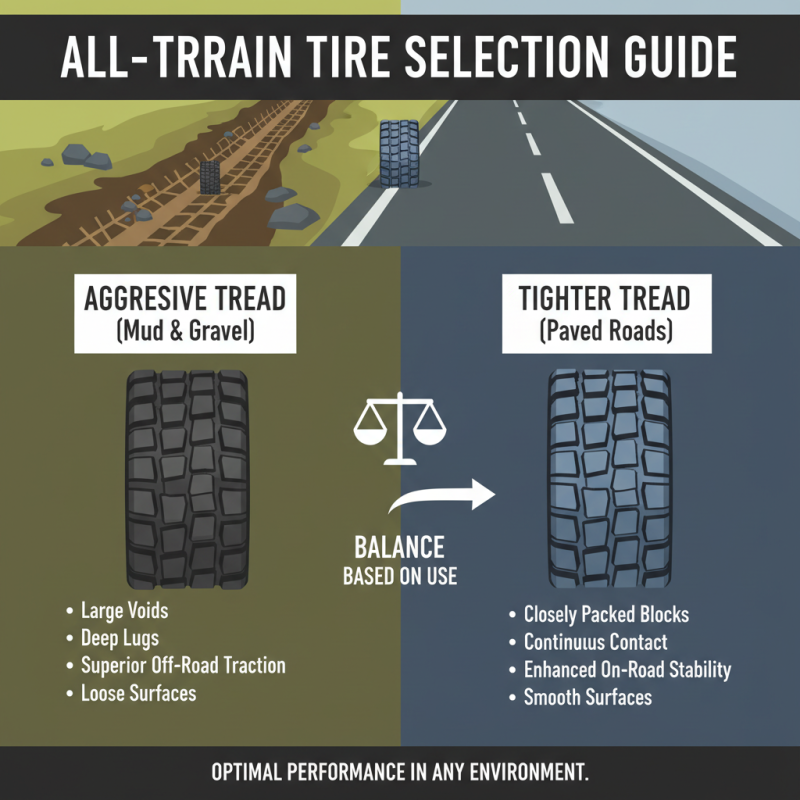
When selecting all-terrain tires, there are several key factors to consider to ensure optimal performance across various environments. First and foremost, tread design plays a crucial role in how well the tires will perform in different conditions. Aggressive tread patterns with larger voids can provide better traction on loose surfaces like mud and gravel, while tighter patterns can enhance stability on paved roads. It's essential to balance these characteristics based on the primary conditions in which the tires will be used.
Another important factor is the tire compound. A softer rubber compound typically offers better grip on rocky or slippery surfaces but may wear out faster on highways. Conversely, a harder compound tends to last longer but may sacrifice some traction. Additionally, consider the load capacity and the specific vehicle requirements when choosing all-terrain tires, as this will ensure that the tires can handle the weight of the vehicle while maintaining optimal performance under various conditions. Taking the time to evaluate these factors will help you make a more informed decision tailored to your driving needs.
Top Brands Offering High-Performance All Terrain Tires in the Market
When it comes to all-terrain tires, several top brands have established themselves as leaders in the market, known for their high-performance capabilities across diverse landscapes. Recent industry studies indicate that all-terrain tire sales have seen a remarkable increase of 15% in the past year alone, driven by the rising demand for versatile tires that can handle everything from rocky trails to snowy roads. This growing popularity highlights consumers' need for reliability and durability, particularly in harsh conditions.
Prominent manufacturers provide innovative tire designs featuring advanced tread patterns that optimize traction and stability on various surfaces. According to a report by the Tire Industry Association, high-performance all-terrain tires offer up to 25% better off-road grip compared to standard tires, making them ideal for adventurers and outdoor enthusiasts. Enhanced rubber compounds also contribute to reduced rolling resistance, which can lead to improved fuel efficiency by up to 10%—a notable benefit for both casual drivers and those who frequently traverse rugged terrain. With ongoing advancements in tire technology and material science, the future of all-terrain tires looks promising, catering to an ever-expanding market of drivers seeking superior performance on any terrain.
Best All Terrain Tires for Ultimate Performance in Any Terrain
| Tire Type |
Max Load (lbs) |
Tread Life (miles) |
Warranty (years) |
Price Range ($) |
| All-Terrain SUV Tire |
2,600 |
50,000 |
6 |
150 - 250 |
| Mud-Terrain Tire |
3,000 |
40,000 |
5 |
180 - 300 |
| Rock Crawling Tire |
3,400 |
35,000 |
4 |
200 - 350 |
| All-Terrain Truck Tire |
3,600 |
60,000 |
7 |
170 - 280 |
| Terrain Performance Tire |
2,800 |
55,000 |
5 |
160 - 240 |
Comparative Analysis of the Best All Terrain Tires for Various Conditions
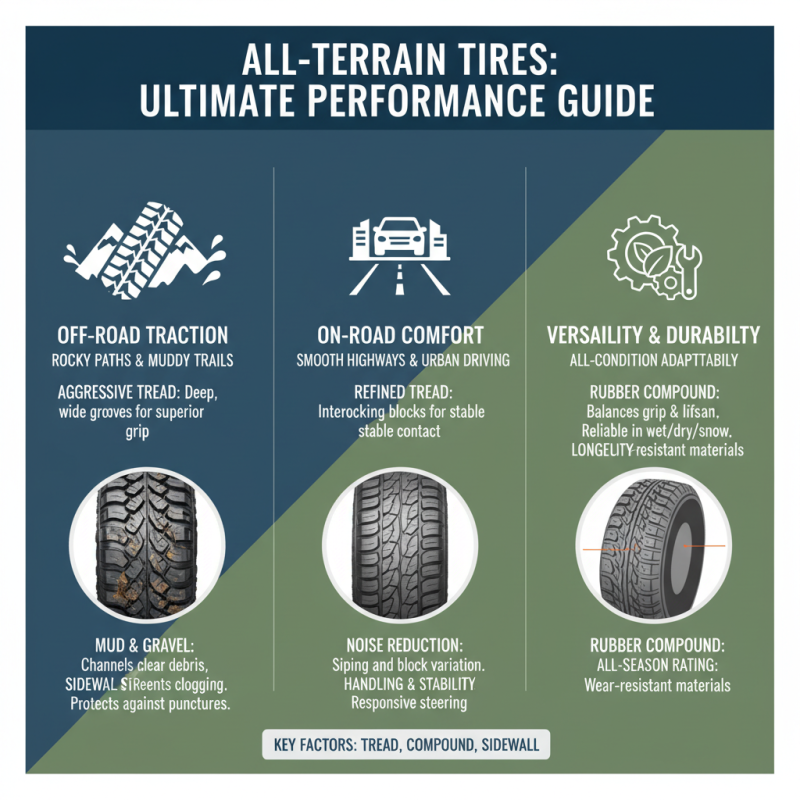
When it comes to selecting the best all-terrain tires, understanding their performance across various conditions is crucial for both off-road enthusiasts and everyday drivers. All-terrain tires are designed to provide versatility, enabling vehicles to traverse a wide range of surfaces, from rocky paths and muddy trails to smooth highways. A comparative analysis reveals that tread patterns, rubber compounds, and sidewall strength play significant roles in determining how well a tire can perform in different environments. For instance, tires with aggressive tread designs typically excel in mud and loose gravel, providing superior traction. Conversely, tires with a more refined tread pattern may offer better handling and comfort on pavement, ideal for urban or highway driving.
Furthermore, the impact of temperature and terrain type on tire performance cannot be overlooked. For instance, in extreme cold or wet conditions, certain tires may struggle due to a lack of flexibility in their rubber compound. This can lead to decreased grip and longer stopping distances. Additionally, the ability to self-clean is an important factor for all-terrain tires, as it ensures that mud and debris do not accumulate and hinder performance. Thus, a well-rounded all-terrain tire must balance these attributes to deliver reliable performance across all conditions, making it essential for consumers to assess their specific driving needs and environments when making a choice.
Maintenance Tips for Prolonging the Life of All Terrain Tires
Maintaining all-terrain tires is crucial for ensuring optimal performance across diverse landscapes. According to industry research, properly maintained all-terrain tires can last up to 50% longer than those that are neglected. Regular rotation, balancing, and alignment checks are essential practices that help distribute wear evenly across the tire surface. Studies from the Tire Industry Association show that improper alignment can lead to a reduction in tread life by as much as 30%. Therefore, frequent inspections and adjustments can significantly enhance tire longevity and performance.
Another vital aspect of tire maintenance is monitoring tire pressure. The National Highway Traffic Safety Administration (NHTSA) states that under-inflated tires can decrease fuel efficiency and increase the risk of blowouts, which is particularly concerning when traversing rugged terrains. Maintaining the recommended tire pressure, usually found on the vehicle's door jamb or in the owner's manual, can improve handling, grip, and overall safety. Moreover, rotating tires every 5,000 to 7,500 miles is recommended, as it helps combat uneven wear patterns that are common with all-terrain driving. By following these maintenance tips, drivers can ensure their all-terrain tires perform at their best, providing the stability and durability required for adventurous journeys.
Best All Terrain Tires Performance Analysis